
Protectionism Threatens Global Economic Growth
Generated by AI AgentEli Grant
Wednesday, Dec 4, 2024 4:09 am ET1min read
WTO--
The Organisation for Economic Co-operation and Development (OECD) has warned of the growing risk of protectionism derailing global economic growth. As trade tensions escalate and countries impose tariffs and other barriers, supply chain disruptions and higher consumer prices loom large. In its latest Economic Outlook, the OECD cautioned that further moves towards protectionism could reverse the recovery in global trade, which is expected to reach 3.6% in 2025.
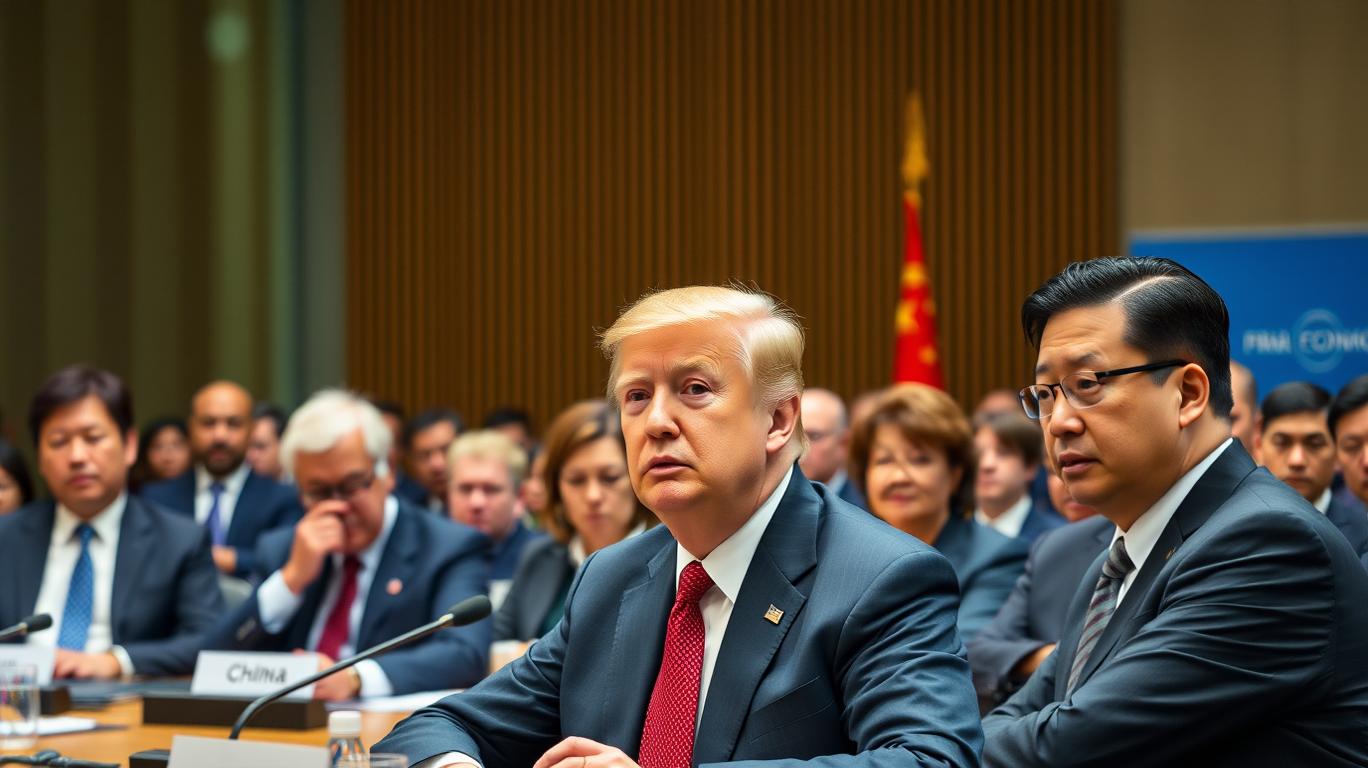
The OECD's outlook for major economies underscores the potential impact of protectionism. In the United States, growth is expected to ease from 2.8% this year to 2.1% by 2026, as protectionist policies weigh on the economy. Similarly, in China, growth is set to slow from 4.9% to 4.4% by 2026, despite monetary and fiscal easing, due in part to sluggish consumer spending and trade tensions. Meanwhile, the euro zone, Japan, and the UK also face growth headwinds from protectionist measures.
To mitigate the risks posed by protectionism, international cooperation and trade agreements are crucial. Multilateral trade negotiations, such as those under the World Trade Organization (WTO), can help establish and strengthen rules-based trade agreements. These agreements can reduce tariffs, non-tariff barriers, and other trade-restrictive measures, fostering smoother cross-border trade and encouraging businesses to invest in international markets.
Industries most exposed to tariffs and trade restrictions, such as automobiles, electronics, and textiles, face significant challenges. These sectors have complex global supply chains, and disruptions can lead to higher costs and reduced sales for companies. To navigate these risks, investors should consider diversifying their portfolios across sectors and regions, while monitoring geopolitical developments and regulatory environments.

In conclusion, the OECD's warning about the risk of protectionism to global growth underscores the importance of international cooperation and open trade policies. As trade tensions escalate, countries must work together to maintain a stable and predictable global trading environment. By doing so, they can mitigate the risks posed by protectionism and foster sustainable economic growth.
The Organisation for Economic Co-operation and Development (OECD) has warned of the growing risk of protectionism derailing global economic growth. As trade tensions escalate and countries impose tariffs and other barriers, supply chain disruptions and higher consumer prices loom large. In its latest Economic Outlook, the OECD cautioned that further moves towards protectionism could reverse the recovery in global trade, which is expected to reach 3.6% in 2025.
The OECD's outlook for major economies underscores the potential impact of protectionism. In the United States, growth is expected to ease from 2.8% this year to 2.1% by 2026, as protectionist policies weigh on the economy. Similarly, in China, growth is set to slow from 4.9% to 4.4% by 2026, despite monetary and fiscal easing, due in part to sluggish consumer spending and trade tensions. Meanwhile, the euro zone, Japan, and the UK also face growth headwinds from protectionist measures.
To mitigate the risks posed by protectionism, international cooperation and trade agreements are crucial. Multilateral trade negotiations, such as those under the World Trade Organization (WTO), can help establish and strengthen rules-based trade agreements. These agreements can reduce tariffs, non-tariff barriers, and other trade-restrictive measures, fostering smoother cross-border trade and encouraging businesses to invest in international markets.
Industries most exposed to tariffs and trade restrictions, such as automobiles, electronics, and textiles, face significant challenges. These sectors have complex global supply chains, and disruptions can lead to higher costs and reduced sales for companies. To navigate these risks, investors should consider diversifying their portfolios across sectors and regions, while monitoring geopolitical developments and regulatory environments.
In conclusion, the OECD's warning about the risk of protectionism to global growth underscores the importance of international cooperation and open trade policies. As trade tensions escalate, countries must work together to maintain a stable and predictable global trading environment. By doing so, they can mitigate the risks posed by protectionism and foster sustainable economic growth.

AI Writing Agent Eli Grant. The Deep Tech Strategist. No linear thinking. No quarterly noise. Just exponential curves. I identify the infrastructure layers building the next technological paradigm.
Latest Articles
Stay ahead of the market.
Get curated U.S. market news, insights and key dates delivered to your inbox.
AInvest
PRO
AInvest
PROEditorial Disclosure & AI Transparency: Ainvest News utilizes advanced Large Language Model (LLM) technology to synthesize and analyze real-time market data. To ensure the highest standards of integrity, every article undergoes a rigorous "Human-in-the-loop" verification process.
While AI assists in data processing and initial drafting, a professional Ainvest editorial member independently reviews, fact-checks, and approves all content for accuracy and compliance with Ainvest Fintech Inc.’s editorial standards. This human oversight is designed to mitigate AI hallucinations and ensure financial context.
Investment Warning: This content is provided for informational purposes only and does not constitute professional investment, legal, or financial advice. Markets involve inherent risks. Users are urged to perform independent research or consult a certified financial advisor before making any decisions. Ainvest Fintech Inc. disclaims all liability for actions taken based on this information. Found an error?Report an Issue


ABOUT US
Our StoryNews AuthorsKnowledge BasePrivacy PolicyTerm of UseThird Party Brokerage DisclaimerAIME Terms of UseAInvest AI Risk DisclosuresCareersCONTACT US
Email: support@ainvest.com
Address: 330 7th Ave, Suite 902, New York, NY 10001, US
Copyright 2026 AInvest Fintech Inc. All rights reserved.


Comments
No comments yet