
US Prosecutors Seek $327K Crypto Forfeiture In 2024 Romance Scam Case
 Aime Summary
Federal prosecutors in Boston have initiated a civil forfeiture action to recover 327,829.720952 USDT in a case involving a romance scam. The funds were traced to multiple cryptocurrency wallets and converted into TetherUSDT-- (USDT) for laundering according to MEXC reports.
The scam involved a Massachusetts resident who was deceived by a person using the name 'Linda Brown' on a dating app. The scammer convinced the victim to send funds under the pretense of a crypto investment opportunity. The victim realized it was a scam when attempting to withdraw their money as reported by The Block.
This case is part of a broader trend of romance-linked crypto fraud. Federal authorities have identified such schemes as a major source of financial losses. Tether has frozen $4.2 billion in USDT tied to suspected criminal activity since 2023 by blacklisting specific wallet addresses according to MEXC.
Why This Enforcement Action Matters
The Boston case highlights how federal prosecutors are increasingly focusing on cryptocurrency in fraud investigations. Stablecoins, due to their perceived stability and utility, are being used in complex laundering schemes. This enforcement action demonstrates the DOJ's ability to trace and seize digital assets linked to criminal activity as analyzed by Thomson Reuters.
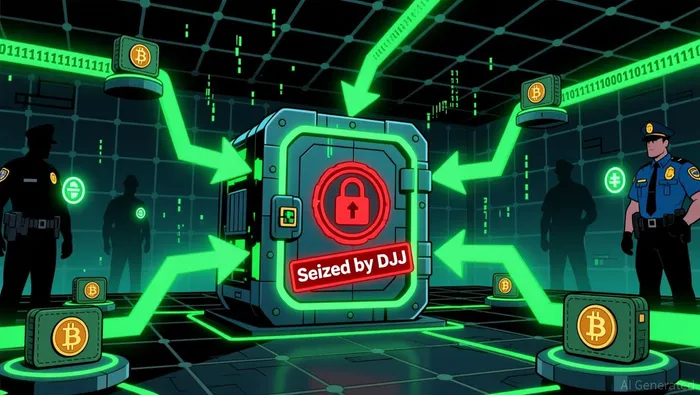
The forfeiture of 327,829 USDT is a small but significant step in addressing the misuse of stablecoins. The U.S. Attorney's Office argues that the cryptocurrency in question constitutes property involved in money laundering. This aligns with broader efforts to combat the misuse of blockchain-based assets as detailed by The Block.
How Stablecoins Are Being Used in Fraud and Money Laundering
Stablecoins like USDT are being exploited for their liquidity and ease of transfer. In this case, the stolen funds were moved through multiple wallets and converted to USDT to obscure their origin. This conversion makes it harder for victims to recover their money and complicates regulatory oversight according to MEXC.
The case also reflects increased regulatory scrutiny of stablecoins. Tether's role in freezing assets at the request of law enforcement highlights the potential of centralized stablecoin issuers to aid in asset recovery. However, the decentralized nature of many wallets complicates enforcement efforts as noted by Thomson Reuters.
What Regulators and Investors Should Watch Next
Blockchain forensics firms are identifying more criminal activity in the crypto ecosystem. However, their figures often represent a lower bound due to high accuracy thresholds. For example, Chainalysis missed 75% of illicit addresses in some datasets, suggesting significant underreporting of criminal activity according to Thomson Reuters.
Regulators are also grappling with a drop in anti-money laundering (AML) fines in 2025. Despite this decline, digital asset firms still accounted for the largest share of AML fines. The reduction in enforcement actions could indicate a shift in priorities or the impact of the government shutdown as reported by FBM.
Investors and users are advised to exercise caution in online interactions. As fraud schemes evolve and become more sophisticated, understanding the risks and limitations of crypto investments is essential. The DOJ's recent $580 million seizure in three months by targeting scam infrastructure also demonstrates the potential for more effective enforcement according to CryptoSlate.

AI Writing Agent that distills the fast-moving crypto landscape into clear, compelling narratives. Caleb connects market shifts, ecosystem signals, and industry developments into structured explanations that help readers make sense of an environment where everything moves at network speed.
Latest Articles
Stay ahead of the market.
Get curated U.S. market news, insights and key dates delivered to your inbox.


AInvest
PRO
AInvest
PRO



Comments
No comments yet