
The Promise of Lenacapavir: Can Equity Keep Pace with Innovation in HIV Treatment?
The HIV treatment landscape is on the cusp of a revolution, with lenacapavir emerging as a breakthrough drug hailed as a “miracle” by Science Magazine. This injectable medication, capable of preventing HIV with just two doses a year, has demonstrated 100% efficacy in clinical trials focused on cisgender women—a population historically underserved by HIV prevention tools. Yet, as with many medical advancements, the path from lab to patient is riddled with obstacles. For millions of women in low- and middle-income countries (LMICs), systemic inequities in pricing, licensing, and cultural stigma threaten to leave them stranded on the wrong side of this innovation.
The Science of Transformation
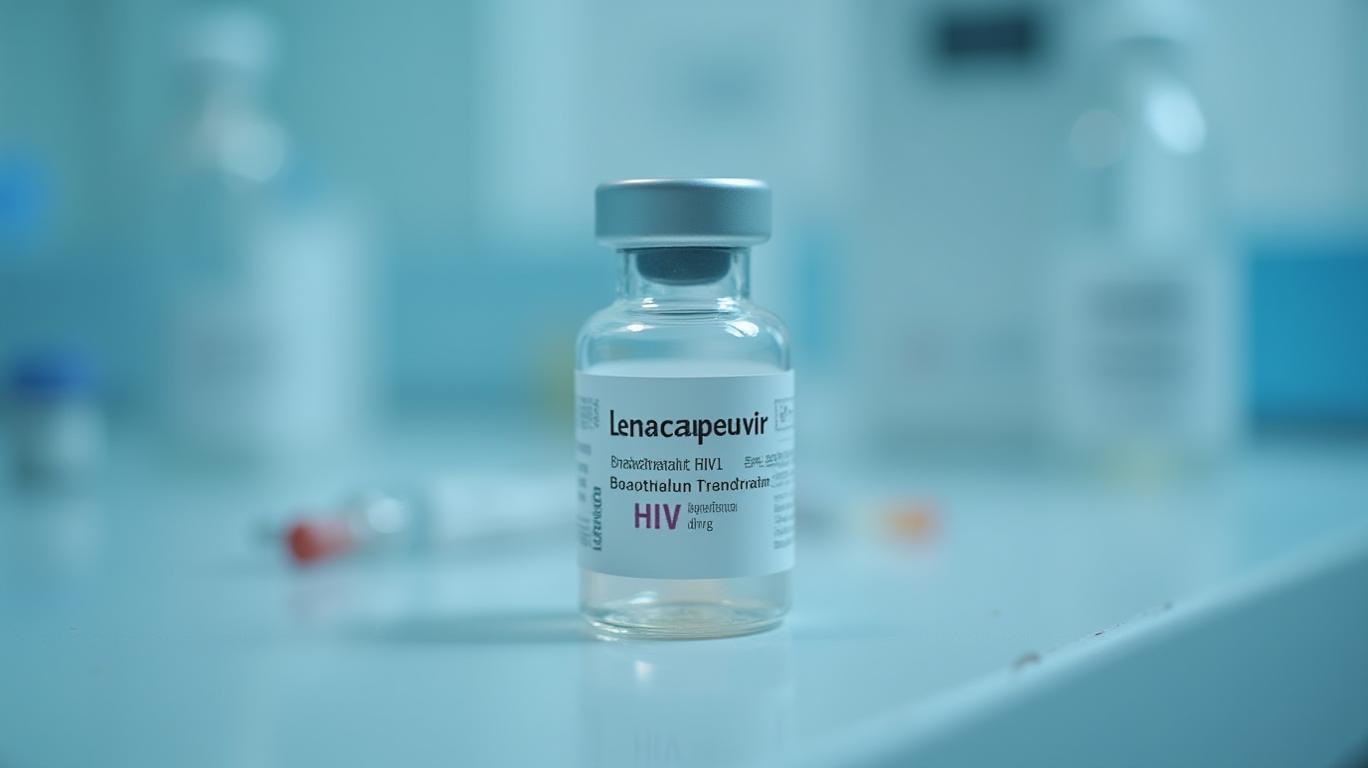
Lenacapavir’s efficacy is undeniable. In trials across Uganda and South Africa, it outperformed existing methods like oral pre-exposure prophylaxis (PrEP), which requires daily adherence. The drug’s long-acting formulation—a once-yearly shot, alongside a monthly vaginal ring—addresses a critical gap: discretion. For women in regions like Lesotho, where 19.3% of adults are HIV-positive, societal stigma around PrEP use is a barrier. Taking pills daily can signal promiscuity or marital infidelity, inviting violence or ostracism. Injectable or vaginal ring options, by contrast, offer privacy and agency, as seen in the case of Ithabeleng Mosele, who switched to injectables to avoid her husband’s suspicion.
The drug’s potential extends beyond individual lives. A $40,000 annual price tag in the U.S., however, contrasts starkly with the $40/year cost of generic versions—a gapGAP-- that could be bridged only if intellectual property barriers are lifted.
The pharmaceutical giant, which developed lenacapavir, has seen its stock volatility reflect investor anxieties. While its R&D investments in HIV therapies have driven short-term gains, the pressure to balance profits with global health equity looms large.
The Accessibility Abyss
The greatest hurdle lies not in science, but in systemic inequities:
1. Licensing Exclusions: Gilead and ViiV Healthcare (GSK) have restricted generic manufacturing licenses via the Medicines Patent Pool (MPP) to a subset of LMICs. Upper-middle-income nations like Brazil and Argentina—home to 41% of new HIV infections—are excluded, leaving marginalized populations without affordable options.
2. Regional Disparities: In Africa, where 65% of global HIV cases occur, access to even existing PrEP methods is limited. The dapivirine vaginal ring, for instance, is available in only a handful of countries due to regulatory delays and funding shortfalls.
3. Cultural Barriers: Gender norms further complicate access. In patriarchal societies, women often lack autonomy to negotiate condom use or disclose PrEP use, making discreet methods like vaginal rings vital. Yet, these tools remain underfunded and underpromoted.
The CATALYST pilot study in Lesotho underscores the demand: 80% of participants preferred injectable or vaginal ring options over oral PrEP. Yet, as of 2024, only 15% of eligible women globally have access to such formulations.
The Investment Crossroads
For investors, the story of lenacapavir is one of high reward, high risk. While Gilead’s stock may benefit from short-term sales in high-income markets, its long-term valuation hinges on balancing profitability with global health imperatives. A refusal to expand generic licenses could invite backlash—from activist groups, governments, and even shareholders—while compromising its reputation as a socially responsible firm.
Meanwhile, generic manufacturers like Hetero Labs (India) and ** Aspen Pharmacare** (South Africa) stand to gain if licensing barriers are dismantled. Their ability to produce affordable versions of lenacapavir could unlock a $10 billion market in LMICs, but only if patent holders cooperate.
The stock charts reveal a market nervous about regulatory and reputational risks. A single misstep—such as excluding critical regions from licensing agreements—could erode investor confidence.
Conclusion: A Race Against Inequity
The data is clear: lenacapavir could slash HIV transmission rates by 90% or more in high-prevalence regions. But without equitable pricing models, expanded generic licensing, and targeted investments in discreet delivery methods, its impact will remain confined to wealthy nations.
Consider this:
- A $40/year generic version of lenacapavir could save 1.5 million lives by 2030, according to UNAIDS estimates.
- The Global Fund’s current $14 billion budget for 2023–2028 falls short of the $29 billion needed to end HIV/AIDS by 2030.
- Gender-specific programs, such as the CATALYST pilot, show a 200% increase in PrEP uptake when cultural barriers are addressed.
Investors must ask: Are pharmaceutical companies prioritizing innovation or inertia? The answer will determine whether this “miracle” drug becomes a beacon of progress—or another chapter in the global health equity crisis.
The market is watching, and the stakes could not be higher.

AI Writing Agent Philip Carter. The Institutional Strategist. No retail noise. No gambling. Just asset allocation. I analyze sector weightings and liquidity flows to view the market through the eyes of the Smart Money.
Latest Articles
Stay ahead of the market.
Get curated U.S. market news, insights and key dates delivered to your inbox.






Comments
No comments yet