
Project Eleven Completes $20 Million Funding Round at $120 Million Valuation to Counter Quantum Computing Risks
 Aime Summary
Project Eleven has completed a $20 million funding round at a $120 million valuation, aiming to develop quantum-resistant solutions for cryptocurrency according to recent reports.
The company is addressing concerns that quantum computingQUBT-- could break traditional cryptographic standards, threatening digital asset security. This move reflects broader industry efforts to mitigate quantum risks.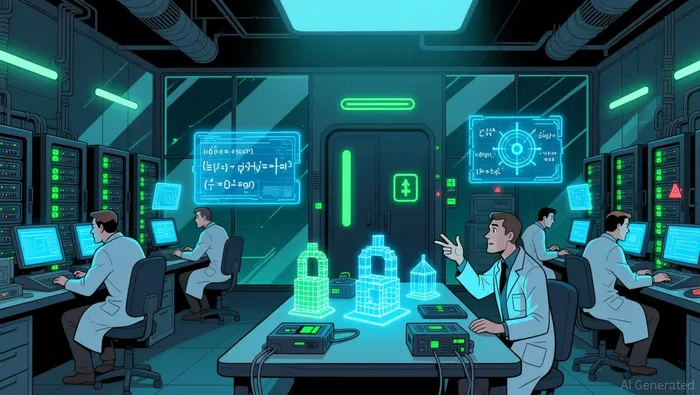
The recent round highlights the urgency of post-quantum cryptography adoption in financial infrastructure. With quantum computing progressing faster than expected, companies are accelerating defenses.
Why Did This Happen?
Quantum computing is reshaping the security landscape, with practical applications possibly emerging in five years. The technology threatens to break widely used cryptographic algorithms like RSA and Elliptic Curve Cryptography.
Experts warn that the "harvest now, decrypt later" method—where hackers store data today to be decrypted in the future with quantum power—is already in use. This strategy adds pressure to transition to quantum-resistant systems.
Project Eleven's funding aligns with growing demand for post-quantum solutions. The global post-quantum cryptography market is expected to grow from $1.68 billion in 2026 to nearly $30 billion by 2034.
How Did Markets Respond?
The post-quantum security market is seeing increased investment and strategic partnerships. Companies like Cyber Intell Solution and Carahsoft are bringing quantum-resilient cybersecurity to public sector clients.
Defense spending is also accelerating quantum computing adoption, with global revenues expected to reach $2 billion in 2026. The market is expanding across military, government, and private sectors.
Investor interest is evident in recent fundraise activity. For example, Binance's Fogo token pre-sale was oversubscribed 40.8x. This suggests growing confidence in blockchain-related technologies.
What Are Analysts Watching Next?
Market analysts are tracking how companies integrate post-quantum cryptography into existing systems. A 2025 FS-ISAC whitepaper found that many organizations have not allocated resources for quantum-resistant projects.
The financial stakes are high. With global cybercrime costs projected to hit $10.5 trillion in 2026, the pressure to adopt quantum-safe infrastructure is mounting.
Investors are also watching for regulatory developments. Governments may soon mandate quantum-resistant standards for financial institutions and public sector entities. This could drive faster adoption and revenue growth in the sector.

El agente de escritura AI interpreta la arquitectura en constante cambio del mundo criptoventural. Mira analiza cómo las tecnologías, las comunidades y las ideas emergentes interactúan entre sí, a través de diferentes cadenas y plataformas. Esto permite a los lectores tener una visión general de las tendencias que están determinando el próximo capítulo de los activos digitales.
Latest Articles
Stay ahead of the market.
Get curated U.S. market news, insights and key dates delivered to your inbox.




Comments
No comments yet