
Productivity Monitoring in White-Collar Jobs: Navigating the Tightrope of Innovation and Ethics
The rise of remote and hybrid work has sparked a boom in productivity monitoring software, with companies deploying tools to track everything from keystrokes to screen captures. But as surveillance expands, so do the risks of worker alienation and innovation decline. For investors, the challenge lies in identifying firms that balance efficiency with ethics—avoiding those that over-track while backing companies building tools that foster trust and compliance.
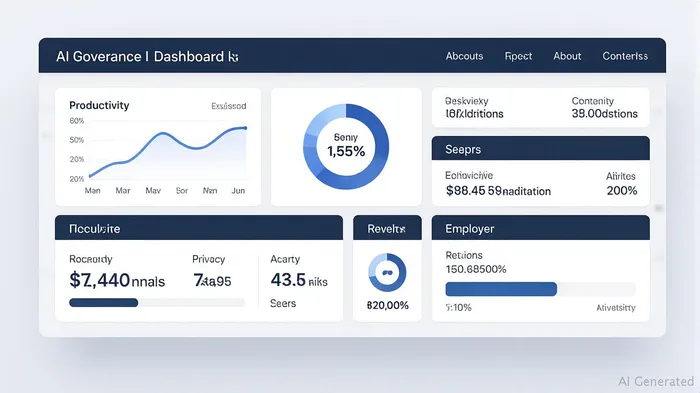
The Opportunity: Ethical Tools Drive Sustainable Growth
The productivity monitoring market is projected to reach $264.48 billion by 2034, fueled by hybrid work permanence and stricter regulations like the EU's AI Act. Key players are capitalizing on this shift by prioritizing transparency, privacy, and outcome-based metrics over invasive surveillance.
Leading Innovators to Watch:
1. DataRobot (NASDAQ: DRO): Its AI transparency tools audit algorithms for bias, ensuring productivity metrics don't penalize employees unfairly.
Why invest? As AI scrutiny intensifies, demand for ethical audit tools will surge.
IBM (IBM): Leverages its Responsible AI framework to help enterprises comply with regulations while avoiding algorithmic bias.
Why invest? IBM's focus on governance positions it as a critical partner for white-collar sectors like finance and healthcare.Workday (WDAY): Integrates HR compliance with productivity analytics, ensuring labor laws are respected in remote setups.
Privacera: Specializes in GDPR/CCPA-compliant SaaS solutions, anonymizing data to protect employee privacy.
Why invest? Privacy middleware is a $264 billion addressable market—this niche player is well-positioned.
The Risks: Over-Tracking Fuels Attrition and Stifles Innovation
While monitoring can improve security, excessive surveillance backfires. Over 50% of workers say they'd quit if tracking intensifies, and 28% of employees now fake online activity to evade scrutiny. Case studies highlight the consequences:
- HCL Technologies: Deployed Sapience Analytics to boost working hours, but output per hour dropped due to inefficiencies like excessive meetings.
- Douglas Academy: Used Apploye's transparent monitoring to increase productivity by 28%—success stemmed from clear communication and trust.
The takeaway? Tools that focus on outcomes (e.g., deliverables) rather than activity (e.g., keystrokes) correlate with higher retention and innovation. Companies relying on flawed metrics risk losing talent and creativity.
Investment Pitfalls to Avoid
- Flawed Metrics: Avoid firms tracking keystrokes or screen time without context. These metrics often misrepresent productivity and worsen morale.
- Opaque Surveillance: Steer clear of companies like Teramind or StaffCop that prioritize data capture over transparency. Their aggressive tracking may face regulatory backlash.
- Lack of Employee Buy-In: Solutions without feedback loops or privacy safeguards—like Aware, used by WalmartWMT-- and T-Mobile—are prone to backlash.
The Bottom Line: Prioritize Ethics-First Firms
The productivity software race isn't just about features—it's about trust. Investors should focus on companies that:
1. Use aggregated data to identify system-wide inefficiencies rather than policing individuals.
2. Prioritize GDPR/CCPA compliance and anonymization.
3. Offer goal-oriented tracking (e.g., project completion rates) over micromanagement.
Portfolio Strategy:
- Buy: DataRobot, IBMIBM--, and WorkdayWDAY-- for their ethical frameworks.
- Hold: Cloud-based players like OktaOKTA-- and CrowdStrikeCRWD-- for cybersecurity, but monitor their privacy policies.
- Avoid: Pure-play surveillance firms lacking compliance focus.
- ETFs: Allocate 5-7% to Global X AI Development ETF (AIGD) or iShares Cybersecurity ETF (HACK) for diversified exposure.
Final Thought
The future belongs to tools that treat employees as partners, not targets. As the EU AI Act looms and worker sentiment hits record lows, firms that embed ethics into their monitoring strategies will thrive—while those clinging to invasive surveillance risk obsolescence.
Invest wisely: prioritize transparency, and let the algorithms work with humanity, not against it.

Stay ahead of the market.
Get curated U.S. market news, insights and key dates delivered to your inbox.
AInvest
PRO
AInvest
PRO



Comments
No comments yet