
Producer Prices Surge: Metals Shine, Beverages Sizzle Under Inflationary Heat
 Aime Summary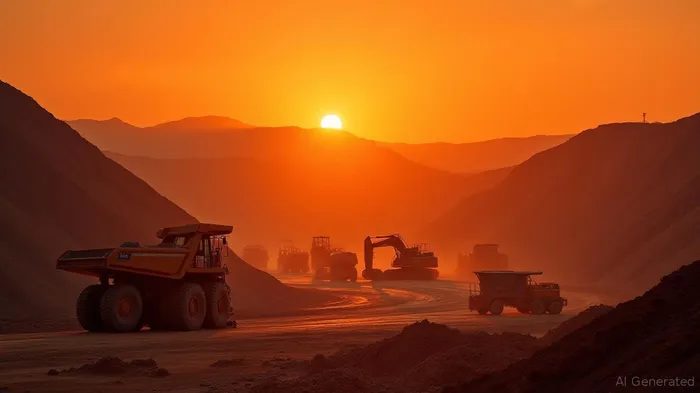
The U.S. Producer Price Index (PPI) for final demand surged by 0.9% in July 2025, far exceeding expectations and pushing the annual headline rate to 3.3%—the largest 12-month increase since February 2025. This data paints a stark picture: inflationary pressures are not fading but intensifying across multiple sectors. For investors, this is a call to reassess sector-specific risks and opportunities. While the Federal Reserve's September rate cut hopes linger, the real action lies in how industries adapt to a cost-driven economy.
Metals and Mining: The Inflation Hedge in Action
Rising producer prices are a double-edged sword. For capital-intensive sectors like Metals and Mining, higher commodity prices can translate into robust profit margins—if demand outpaces supply. The PPI data highlights a 1.8% annual increase in unprocessed goods for intermediate demand, driven by raw materials like feedstuffs and unprocessed foodstuffs. Though not explicitly mentioning metals, this trend aligns with broader inflationary dynamics that historically boost base and precious metals.
Consider the interplay of supply constraints and energy costs. Diesel fuel prices, up 11.8% year-over-year, directly impact mining operations' transportation and machinery costs. However, metals producers often pass these costs to consumers through higher commodity prices. For instance, copper—a critical input for renewable energy infrastructure—is seeing renewed demand as global decarbonization efforts accelerate. A 3.8% surge in machinery and equipment wholesaling (a proxy for industrial activity) further underscores the need for raw materials.
Investors should focus on companies with strong pricing power and exposure to energy transition metals (e.g., lithium, nickel, copper). However, caution is warranted: overleveraged miners or those reliant on volatile markets (e.g., gold) may struggle if inflation moderates or demand softens.
Beverages: Squeezed by Rising Costs
While Metals and Mining thrive in inflation, the Beverages sector faces a different reality. The PPI data reveals a 1.4% annual increase in food prices and a 0.9% rise in energy costs—both critical inputs for beverage producers. From sugar and water to packaging and distribution, rising costs threaten profit margins.
The beverage industry's pricing power is limited. Unlike metals, which are traded globally and priced transparently, beverages face brand loyalty and regulatory hurdles (e.g., sugar taxes) that restrict price hikes. For example, a 1.8% decline in gasoline prices in July 2025 might temporarily ease transportation costs, but the 11.8% surge in diesel fuel over the past year has already locked in higher expenses for logistics.
Moreover, the 3.2% spike in securities brokerage and investment services (part of services for intermediate demand) signals increased hedging costs for companies managing commodity price volatility. Beverage firms with heavy exposure to agricultural commodities (e.g., coffee, sugar) may need to hedge aggressively, further compressing margins.
Strategic Takeaways for Investors
- Long Metals, Short Beverages? Position for inflation by overweighting Metals and Mining stocks with strong balance sheets and low debt. Conversely, underweight beverage companies with thin margins and limited pricing power.
- Diversify Within Commodities. Not all metals are created equal. Prioritize those tied to structural trends (e.g., copper for EVs, lithium for batteries) over cyclical ones like aluminum.
- Monitor Input Costs. For beverage investors, track quarterly reports for signs of cost pass-through or margin compression. Companies with diversified supply chains or vertical integration may fare better.
- Factor in Policy Risks. Trump-era tariffs (evidenced by the 2.0% jump in trade services margins) could reignite, disproportionately affecting import-reliant sectors like beverages.
The PPI data is a wake-up call: inflation is no longer a macroeconomic anomaly but a persistent force reshaping industries. For Metals and Mining, it's a golden opportunity. For Beverages, it's a test of resilience. As always, the key is to align your portfolio with the winners and shield it from the losers.

Stay ahead of the market.
Get curated U.S. market news, insights and key dates delivered to your inbox.


AInvest
PRO
AInvest
PRO



Comments
No comments yet