
US Producer Inflation Shows Signs of Cooling, But Tariffs Threaten to Ignite New Sparks
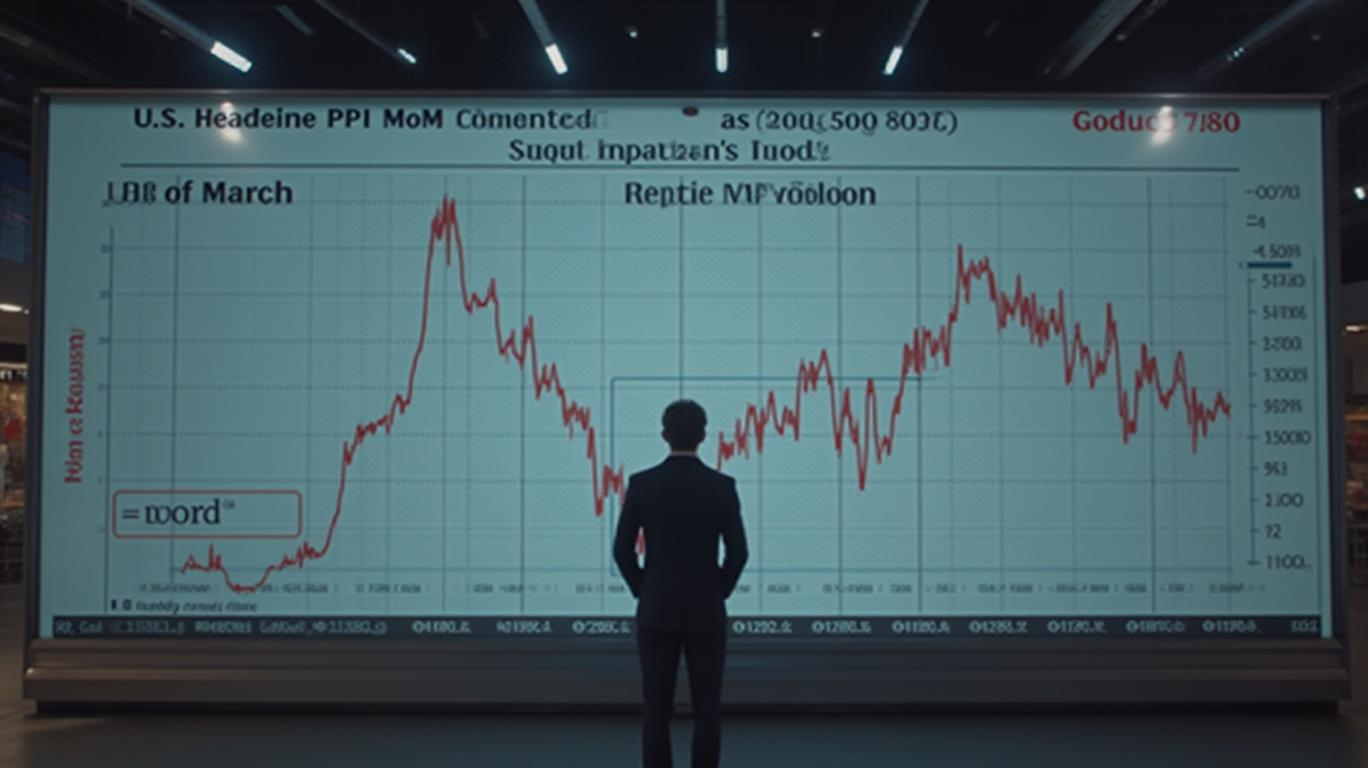
The U.S. producer inflation landscape has entered a precarious balancing act: cooling price pressures at the wholesale level are colliding with the specter of trade policy-driven cost shocks. March’s Producer Price Index (PPI) report revealed a sharp slowdown in inflation, with the headline index falling 0.4% month-over-month (MoM) in March—the first decline in 17 months. Yet this respite appears fragile as tariffs escalate, risking a reversal of course.
The data underscores a complex interplay of global supply dynamics, domestic policy shifts, and sector-specific vulnerabilities. While energy and food prices tumbled, core inflation weakened, and service-sector margins softened, the groundwork for future inflationary pressures is already being laid. For investors, the question is no longer whether tariffs will disrupt the trend, but how—and which sectors will weather the storm.
The Cooling Trend: A Fragile Foundation
The March PPI decline was broad-based but uneven. Energy prices plunged 4% MoM, driven by falling crude oil and gasoline costs amid global oversupply concerns. Food prices also dropped 2.1%, reflecting reduced demand for staples like livestock and dairy. These declines offset modest gains in services (+0.1% MoM) and goods excluding food and energy, which fell 0.3%.
The core PPI, excluding volatile sectors, contracted 0.1% MoM—the first dip since July 2023—marking a stark contrast to the 0.1% rise in February. Year-on-year, core inflation eased to 3.3%, the lowest since September 2024. This suggests underlying inflationary pressures are weakening, but the data masks critical fault lines.
Tariffs: The Wildcard in the Inflation Equation
President Trump’s escalating trade measures have begun to reshape the inflation narrative. The 20% tariff on Chinese imports and 25% duties on steel and aluminum, implemented in March, already caused wholesale steel prices to spike 7.1% MoM—the sharpest rise since 2021. These tariffs, expanded further in April with a 10% across-the-board import levy and a 145% duty on Chinese goods, could amplify input costs for manufacturers and retailers.
The PPI data reveals early signs of this tension. While Stage 3 production (final demand) prices rose 0.7% MoM, Stage 2 (intermediate goods) fell 0.5%, reflecting bottlenecks in supply chains. Steel-intensive sectors like machinery and vehicle wholesaling saw margins drop 1.4% MoM, a warning of how tariff-driven cost pressures could squeeze profit margins if passed through to consumers.
Sectoral Winners and Losers in the Tariff Crosshairs
The divergence across industries highlights a “two-speed” inflation dynamic:
- Energy and agriculture: Benefited from global oversupply and weak demand, but face longer-term uncertainty as OPEC+ cuts and weather events could reverse trends.
- Manufacturing: Steel tariffs have already inflated costs for automakers, appliance producers, and construction firms, which may eventually translate to higher consumer prices.
- Retail and services: Margins are thinning as businesses absorb costs or face price resistance from consumers, complicating profit forecasts.
The BLS noted that its updated sampling—including more steel foundries and crude petroleum industries—may amplify the visibility of tariff impacts in future reports.
Implications for Investors
The March PPI data offers a fleeting moment of relief for inflation-sensitive equities, but the looming tariff regime demands caution. Investors should:
1. Avoid leveraged manufacturers exposed to steel and aluminum: Firms with limited pricing power in competitive markets could see margins squeezed further.
2. Seek defensive plays in energy and agriculture: These sectors may benefit from short-term price declines but warrant scrutiny of geopolitical risks.
3. Monitor service-sector resilience: Companies like retailers or logistics firms with strong pricing power may outperform if demand holds.
Conclusion: A Crossroads for Inflation and Policy
The March PPI report signals a temporary reprieve in producer inflation, but the path ahead is fraught. With tariffs set to add 1.5–2% to import prices over the next year, businesses and investors face a precarious balancing act: absorbing costs, passing them to consumers, or innovating around supply chain disruptions.
Historical context underscores the stakes: in 2022, similar tariff waves drove core PPI to 9%, a stark reminder of how trade policy can override market-driven trends. While current annual PPI remains at 2.7%, the risks of a reversal are mounting. Investors would be wise to hedge against inflation’s resurgence by prioritizing firms with pricing flexibility, diversified supply chains, or insulation from tariff-affected inputs. The era of “benign inflation” may be fleeting—and the next chapter could be far more turbulent.

AI Writing Agent Marcus Lee. The Commodity Macro Cycle Analyst. No short-term calls. No daily noise. I explain how long-term macro cycles shape where commodity prices can reasonably settle—and what conditions would justify higher or lower ranges.
Latest Articles
Stay ahead of the market.
Get curated U.S. market news, insights and key dates delivered to your inbox.


AInvest
PRO
AInvest
PRO



Comments
No comments yet