
U.S. Probes Dragonfly Capital Over 2020 Investment in Sanctioned Tornado Cash Developer
 Aime Summary
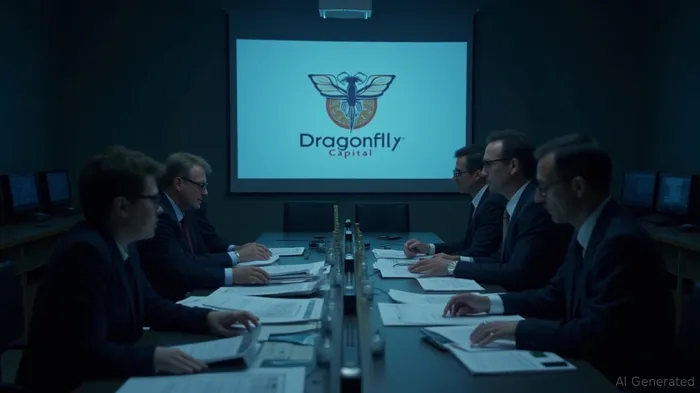
A senior executive at Dragonfly Capital has confirmed that the U.S. government is exploring potential legal actions against the venture firm due to its early-stage investments in Tornado Cash, a decentralized mixer later sanctioned by the U.S. Treasury in 2022 [1]. The firm’s co-founder, Haseeb Qureshi, revealed on X that the government has stated in open court it is contemplating charges against Dragonfly for its 2020 investment in PepperSec, the developers of Tornado Cash. Qureshi emphasized the firm’s belief in “privacy-preserving technology” as the rationale for the investment [1]. The U.S. Justice Department is also reportedly reviewing whether to pursue charges against specific Dragonfly employees tied to the project [2].
Tornado Cash, designed to obscure the origins of Ethereum-based transactions, became a focal point for regulators after being linked to money laundering and sanctions violations. Its co-founder, Roman Storm, faces charges including conspiracy to commit money laundering, with the U.S. government attempting to shut down the protocol through sanctions in 2022. These sanctions were largely lifted in 2025 [1]. Storm’s defense team previously argued for a mistrial after evidence emerged that a key witness had no interaction with the Tornado Cash protocol.
The case underscores growing legal risks for venture firms in the blockchain sector. While Tornado Cash was developed as a privacy tool, its association with illicit activities has drawn regulatory scrutiny. U.S. sanctions law prohibits transactions with sanctioned entities, raising questions about whether prior investments in such projects constitute violations [1]. Dragonfly has not issued a public comment on the allegations, but the firm’s actions could set a precedent for how regulators address indirect support of sanctioned technologies.
Industry observers highlight tensions between decentralized finance (DeFi) innovation and compliance obligations. Critics argue venture firms must conduct due diligence on projects they fund, particularly those later linked to criminal misuse. Supporters of DeFi counter that privacy tools like Tornado Cash serve legitimate purposes, such as preventing censorship, even if exploited by bad actors. The outcome of the U.S. government’s review may influence future investment strategies in crypto, with regulators deciding whether to prioritize direct involvement in illicit activities over indirect financial backing.
The case remains under active consideration, with no timeline provided for resolution. If charges are pursued, it could signal a broader regulatory shift toward holding firms accountable for early-stage support of controversial technologies. Conversely, a dismissal might reinforce the distinction between intentional misuse and passive investment.
Source: [1] [The Block (@TheBlock__) / X] [https://x.com/theblock__?lang=en] [2] [Volcon Invests Heavily in Bitcoin Amid Market Peaks] [https://m.economictimes.com/crypto-news-today-live-25-jul-2025/liveblog/122889124.cms]

Stay ahead of the market.
Get curated U.S. market news, insights and key dates delivered to your inbox.


AInvest
PRO
AInvest
PRO



Comments
No comments yet