
U.S. Private Nonfarm Payrolls Beat Forecasts, Signaling a Strong Labor Market and Sector Divergence
 Aime Summary
The U.S. labor market's resilience in August 2025, , defied expectations of a cooling economy. , it revealed a stark divergence across sectors. , while manufacturing, wholesale trade, and federal government employment contracted. This divergence underscores the importance of sector rotation strategies in navigating macroeconomic surprises, particularly when historical performance data highlights asymmetric risks and opportunities.
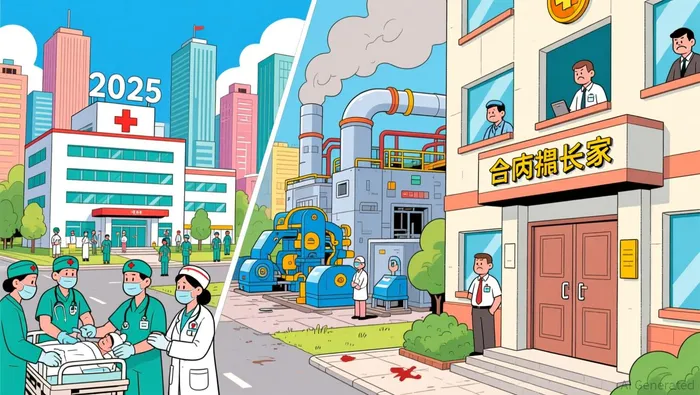
Sectoral Divergence and Macroeconomic Signals
The August report highlighted a labor market that is neither uniformly strong nor weak. Health care, a historically , , driven by ambulatory services and hospitals. , reinforcing its role as a stabilizer during economic uncertainty. Conversely, , , partly due to strikes in transportation equipment. These trends mirror broader economic dynamics: sectors tied to essential services and demographics (e.g., health care) outperform those exposed to cyclical demand (e.g., manufacturing).
, , . These metrics suggest a labor market that, while not surging, remains structurally robust. However, , such as the ' leadership changes.
Historical Sector Rotation and Backtested Performance
Sector rotation strategies rooted in macroeconomic surprises have historically yielded asymmetric returns. For instance, healthcare has outperformed during periods of economic stress, . In contrast, and government sectors have shown higher volatility. The S&P 500 Industrials Index, for example, , .
Backtested data from 2020 to 2025 further illustrates this pattern. During the post-pandemic recovery, , reflecting its resilience. Meanwhile, , signaling vulnerability to and fiscal policy shifts. The government sector, meanwhile, continued a downward trend, .
Strategic Implications for Investors
The August payroll data reinforces the need for a nuanced approach to sector rotation. Here's how investors might position portfolios:
Overweight Defensive Sectors: Health care and utilities, which have historically outperformed during , should be prioritized. . ETFs like XLV (Health Care Select Sector) offer exposure to this trend.
Underweight Cyclical Sectors: Manufacturing and industrials, particularly those tied to (e.g., transportation equipment), face near-term headwinds. Investors should consider reducing exposure to these sectors until wage growth and consumer spending show signs of stabilization.
Monitor Government Sector Volatility: The federal government's employment decline reflects policy-driven risks. While historically counter-cyclical, its current trajectory suggests further job losses under . Investors in government-related ETFs (e.g., XLF) should remain cautious.
Leverage Earnings Momentum: Sectors with rising hourly earnings, such as health care and professional services, may benefit from inflation-linked demand. Conversely, sectors with stagnant wage growth (e.g., retail trade) could face .
Conclusion
The August 2025 nonfarm payroll report underscores a labor market in transition. While headline figures suggest moderation, sectoral divergence reveals a more complex picture. By aligning portfolios with historical performance trends and macroeconomic signals, investors can capitalize on asymmetric opportunities. Defensive sectors like health care offer resilience, while cyclical sectors require careful timing. As the Federal Reserve weighs rate adjustments, a disciplined rotation strategy—rooted in data and history—remains critical to navigating the evolving landscape.

Stay ahead of the market.
Get curated U.S. market news, insights and key dates delivered to your inbox.


AInvest
PRO
AInvest
PRO



Comments
No comments yet