
Private Markets as Safe Havens: Navigating Public Volatility in 2025
The first half of 2025 has been marked by relentless market turbulence, driven by the Trump administration's sweeping tariff policies. From April's 10% universal tariff imposition to the 90-day “tariff truce” announced on April 10, public equity markets swung wildly——while investors scrambled to hedge against uncertainty. Amid this chaos, a clear trend has emerged: private markets are becoming the new bedrock of diversified portfolios.
The Tariff-Driven Shift to Private Assets
The tariff saga of 2025 exposed a critical flaw in public market investing: correlation risk. When trade tensions spiked in early April, the S&P 500 fell sharply, only to rebound 9.52% after the temporary tariff pause—a stark reminder of how macro events can destabilize public equities. Wealth Enhancement's 7 Market Movers blog (April 10, 2025) noted that this volatility is pushing investors toward private assets like real estate, infrastructure, and private equity, which offer insulation from short-term swings.
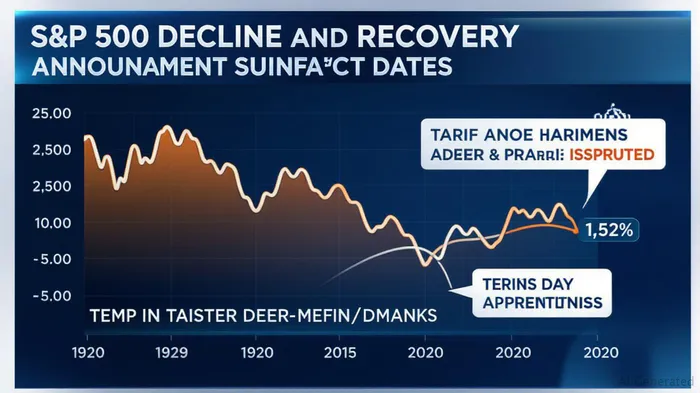
Consider this: while public equities reacted violently to tariff headlines, private investments such as core real estate or infrastructure projects—think toll roads or renewable energy—tend to have longer holding periods and less liquidity, making them less susceptible to headline-driven selling. Wealth Enhancement analysts like Doug Huber (April 24 webinar) emphasized that “private markets are a ballast in turbulent times,” with stable cash flows and lower correlation to equity markets.
Data-Backed Case for Allocation
Wealth Enhancement's May 14, 2025 blog, “What Are Private Markets And How Can You Invest?”, argues that 5–10% of a portfolio should be allocated to private assets to hedge against public equity volatility. Here's why:
- Diversification Benefits: Private markets often perform inversely to public equities. For instance, during June's retail sales slump (-0.9%), private infrastructure investments—backed by steady toll revenue—held firm.
- Long-Term Growth: Private equity's 8–12% annualized returns over the past decade (per Wealth Enhancement's June commentary) outpace the S&P 500's post-tariff volatility.
- Inflation Hedge: Real estate and infrastructure thrive in inflationary environments. With tariff-driven cost pressures lingering, these assets are well-positioned to retain value.
Actionable Steps for Advisors
- Prioritize Stability: Recommend allocations to core real estate (e.g., apartments, warehouses) and infrastructure debt, which offer predictable income streams.
- Leverage Private Equity: Focus on sectors insulated from tariffs, such as software (AI-driven companies) or healthcare, where Wealth Enhancement's Aya Yoshioka (May 16 analysis) sees “structural growth.”
- Use Managed Accounts: Platforms like Wealth Enhancement's 7 Market Movers provide curated private investment opportunities, simplifying access for retail investors.
Risks and Considerations
Private markets are not without downsides. Liquidity constraints mean investors should avoid allocating more than 10% of their capital. Additionally, due diligence is critical: analyze fund managers' track records and the specific assets' exposure to macro risks.
Final Take: Build Resilience Through Diversification
The tariff-driven volatility of Q2 2025 underscores a timeless truth: diversification is not just about asset classes—it's about time horizons and risk profiles. By shifting a modest portion of portfolios to private markets, investors can mitigate the shocks of public equity swings while capturing long-term growth. As Wealth Enhancement's Gary Quinzel (May 9 analysis) warned, “The next recession isn't a question of if, but when.” Private assets are one of the few tools that can shield portfolios from the storm.
Investment Recommendation: Allocate 5–10% of your portfolio to private real estate and infrastructure. Start small, use reputable platforms, and focus on assets with contractual cash flows. The public markets may remain volatile, but private assets can anchor your wealth in uncertain times.

Stay ahead of the market.
Get curated U.S. market news, insights and key dates delivered to your inbox.






Comments
No comments yet