
Private Equity in 401(k)s: A Regulatory Crossroads for Retirement Savings?
 Aime Summary
The debate over whether private equity should be allowed in 401(k) plans has reached a critical juncture. With regulatory agencies like the SEC and DOL inching closer to modernization, and legislative proposals advancing in Congress, the question is no longer if but how these high-risk, high-fee assets might infiltrate retail retirement accounts. Yet, as Senator Elizabeth Warren has repeatedly warned, the stakes for everyday investors are enormous. This article explores the regulatory risks, investor readiness gaps, and what savers can do to protect their futures.
The Regulatory Landscape: Progress or Peril?
Current rules restrict private equity in 401(k)s, but momentum is building to change that. The SEC's Office of the Investor Advocate has flagged private equity's inclusion as a priority for 2026, while the DOL is reportedly drafting guidelines to ease restrictions. Meanwhile, legislative proposals like the Financial Freedom Act (HR 2544) aim to deregulate retirement plan investments entirely, while others like the Protecting Prudent Investment Act (HR 2988) would codify ERISA's focus on pecuniary factors.
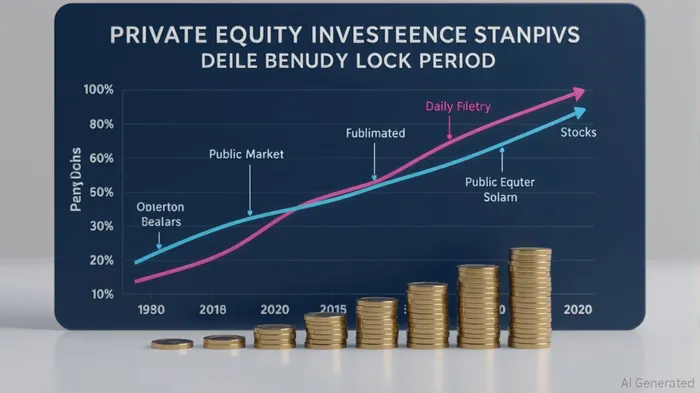
Senator Warren's Case Against Private Equity in Retirement Plans
Senator Elizabeth Warren has emerged as the fiercest critic of this shift. Her objections center on three pillars:
1. Illiquidity: Unlike public stocks, private equity often locks funds for 10+ years, making them incompatible with retirement withdrawals.
2. Transparency Gaps: Limited valuation data and opaque fee structures (often exceeding 2% in management fees plus 20% performance cuts) leave investors in the dark.
3. Conflict of Interest: She has demanded answers from Empower, a leading retirement plan provider, about how its proposed managed accounts for private equity would avoid steering participants into high-fee deals that benefit sponsors.
Her July 25, 2025 deadline for answers underscores the urgency of this debate.
Why Retail Investors Lose Where Institutions Win
Institutional investors like pension funds and endowments thrive in private markets because they:
- Have teams to vet deals and negotiate fees.
- Can absorb illiquidity due to long-term liabilities.
- Benefit from economies of scale in large commitments.
Retail investors, however, lack these advantages. A comparison reveals stark disparities: private equity's 2.0%+ management fees and 20% performance cuts vs. index funds' 0.03% fees. For a $100,000 investment, that's a $2,000 annual fee versus $3.
Actionable Advice: Assess Your Plan's Risks
- Check Your Plan's Disclosure Documents: Look for any mention of alternative investments or managed accounts. If present, ask for fee schedules and liquidity terms.
- Demand Guardrails: Insist on risk tolerance assessments and caps on private equity allocations. A “tiebreaker” ESG clause isn't enough—transparency must be non-negotiable.
- Diversify Outside Your 401(k): If your plan offers private equity, consider limiting exposure to a small portion of your total portfolio.
- Advocate for Regulation: Contact your representatives to support bills like HR 2988, which prioritize pecuniary outcomes, and oppose blanket deregulation.
Conclusion: Protecting Savings Requires Prudence Over Profit
Private equity's allure lies in its potential to capture high-growth, pre-IPO companies. But for retail investors, the risks—locked-in capital, hidden fees, and information asymmetry—are existential. Regulatory safeguards must ensure that any inclusion of private equity in 401(k)s is accompanied by strict fiduciary oversight, full fee transparency, and liquidity protections. Savers, meanwhile, must treat these assets as high-risk outliers, not core holdings. The path forward demands balance: innovation without exploitation, growth without gambling.
Invest wisely—and cautiously.

Stay ahead of the market.
Get curated U.S. market news, insights and key dates delivered to your inbox.


AInvest
PRO
AInvest
PRO



Comments
No comments yet