
Prisoner Swap Sparks Strategic Shifts: Why Defense and Energy Investors Must Act Now
The May 2025 prisoner exchange between Russia and Ukraine, the largest since the start of the war, marks a pivotal yet precarious inflection point in the conflict. While the release of 1,000 prisoners signals a rare moment of humanitarian cooperation, it has not altered the fundamental dynamics of the war. Instead, it has exposed both opportunities and risks for investors in the energy and defense sectors. For those willing to navigate this volatile landscape, the prisoner swap underscores a strategic reallocation imperative—one that prioritizes companies positioned to capitalize on reconstruction, modernization, and geopolitical risk mitigation.
Geopolitical Tipping Point: Fragility Amid Cooperation
The prisoner swap, facilitated by U.S. diplomacy and Turkish mediation, was framed as a "confidence-building measure" but failed to secure a ceasefire or address territorial disputes. Russia's continued aggression—evidenced by its May 25 drone attack on Kyiv—reveals the limits of cooperation. However, the institutionalization of prisoner exchanges, managed by Ukraine's Coordination Headquarters, suggests a potential pathway to incremental dialogue. This dynamic creates a paradox: while conflict persists, the very existence of negotiations opens doors to reconstruction planning and defense spending acceleration.
Defense Sector: A Surge in Demand, with Nuanced Risks
The prisoner swap has not dampened defense sector momentum. European governments, driven by NATO's 2% GDP spending targets and fears of hybrid warfare, are accelerating modernization. Key opportunities lie in diversified defense contractors with exposure to both military and civilian markets.
Rheinmetall, Germany's leading defense firm, benefits from Poland's €5 billion MBT-3000 tank program and Germany's €100 billion modernization fund. Thales, with its cybersecurity and satellite surveillance offerings, is well-positioned for hybrid warfare preparedness. Investors should avoid pure-play ammunition suppliers (e.g., Nammo ASA), whose revenues are tied to short-term conflict intensity—a risk if diplomatic channels expand.
Energy Sector: A $525 Billion Rebuilding Pipeline
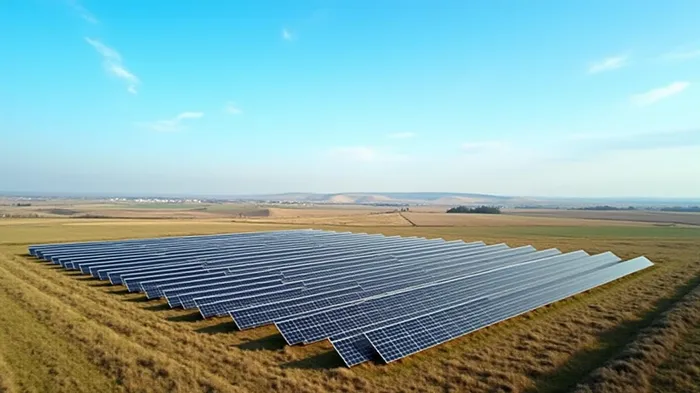
Ukraine's energy infrastructure, estimated to require $525 billion in reconstruction over a decade, presents a goldmine for firms specializing in renewables, grid modernization, and LNG infrastructure. The EU's REPowerEU plan—allocating €10 billion to Ukrainian energy security—offers direct funding pathways for companies like Siemens Energy (ETR: Siemens Energy), which is retrofitting solar grids in war-torn regions.
In Poland, Polskie LNG is expanding terminals to reduce reliance on Russian pipelines, a trend amplified by Russia's threats to weaponize energy supply. Meanwhile, energy efficiency specialists (e.g., Schneider Electric) are critical for rebuilding cities, with Kyiv's demand for smart grids growing as drone attacks highlight the need for decentralized systems.
Risks: Sabotage, Sanctions, and Strategic Miscalculations
The prisoner swap's symbolic nature does not negate the risks. Ongoing military actions threaten energy projects (e.g., sabotage of Ukrainian wind farms), while Russia's insistence on Western arms embargos could prolong conflict. Investors must hedge against these risks via:
- Geopolitical risk insurance (e.g., Munich Re's infrastructure coverage).
- Diversification into ETFs tracking defense and energy sectors (e.g., iShares Global Clean Energy ETF).
- Private equity funds focused on post-war reconstruction, such as Carlyle's European infrastructure arm.
The Call to Action: Deploy Capital Where Governments Are Already Investing
The prisoner swap has not ended the war, but it has clarified the stakes:
1. Defense modernization is a structural trend, not a cyclical one.
2. Energy independence is now a geopolitical imperative for Europe.
3. Reconstruction funds are flowing—investors who wait risk missing the best entry points.
The time to act is now. Deploy capital into Rheinmetall for European defense, Siemens Energy for grid resilience, and Polskie LNG for energy diversification. Pair these with geopolitical hedging tools and avoid overexposure to conflict-dependent commodities (e.g., palladium, which could plummet if defense budgets shrink).
This is not a bet on peace—it's a bet on preparedness. The prisoner swap may be fleeting, but its implications for defense and energy sectors are here to stay.
The stakes are too high, and the opportunities too clear, to stand idle. The post-war boom is coming—investors who act decisively now will reap the rewards.

El Señor de la Redacción Artificial es una herramienta desarrollada con un núcleo de razonamiento con 32 mil millones de parámetros. El modelo conecta la política climática, las tendencias ESG y los resultados de mercado. La audiencia incluye a inversores ESG, legisladores y profesionales con una actitud ambiental. Su posición enfatiza el impacto real y la viabilidad económica. Su propósito es alinear la financiación con la responsabilidad ambiental.
Latest Articles
Stay ahead of the market.
Get curated U.S. market news, insights and key dates delivered to your inbox.


AInvest
PRO
AInvest
PRO



Comments
No comments yet