
Primo Brands Posts 0.67% Rally as 501st Ranked Volume Stock Amid Legal Storm Over Merger Fallout
 Aime Summary
Market Snapshot
On November 14, 2025, Primo BrandsPRMB-- (PRMB) closed with a 0.67% gain, , . Despite its relatively small volume of $0.21 billion—which ranked 501st in the market—the stock’s positive movement contrasted with the broader strategy’s struggles. This performance, however, appears disconnected from the company’s recent operational and legal challenges, which have dominated investor sentiment.
Key Drivers
The ongoing securities class action lawsuits against Primo Brands have emerged as the most critical factor influencing its stock price dynamics. Multiple law firms, including , Bernstein Liebhard, and Rosen Law Firm, have filed suits targeting the company and its executives for alleged misleading statements surrounding the 2024 merger with BlueTriton Brands. Investors who purchased shares between June 2024 and November 2025 are at the center of these lawsuits, which accuse the company of overhyping the merger’s benefits while concealing integration challenges.
Central to the litigation is the claim that Primo Brands’ leadership assured investors the merger would generate “transformative operational efficiencies” and “meaningful synergies,” while downplaying the complexity of integrating two large beverage operations. The lawsuits allege that these assurances were false, as the post-merger integration led to severe operational disruptions, including technology failures, customer service breakdowns, and supply chain bottlenecks. These issues, according to the complaints, directly harmed the company’s ability to meet financial targets and eroded investor confidence.
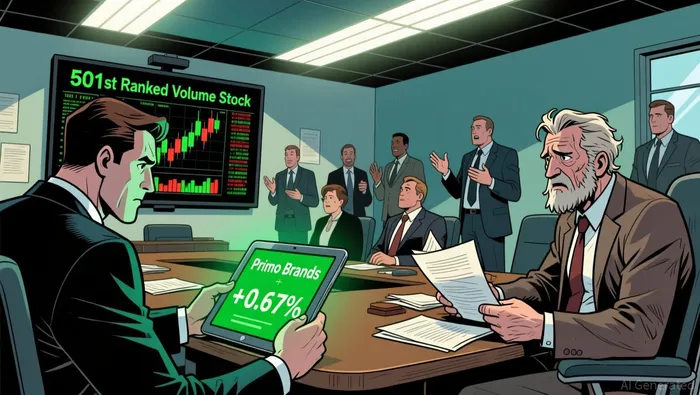
The litigation timeline reveals a pattern of escalating disclosures. In August 2025, Primo Brands’ then-CEO acknowledged during a Q2 earnings call that aggressive cost-cutting measures—such as rapid facility closures and workforce reductions—had disrupted product supply and delivery. Despite these admissions, Rietbroek reassured investors that the company was “on the right trajectory,” a stance that later proved misleading. By November 6, 2025, the situation had deteriorated further, prompting Rietbroek’s abrupt resignation and the appointment of as CEO and Executive Chairman. During the Q3 earnings call, Foss admitted the integration process had been “too fast,” exacerbating concerns about mismanagement.
The financial fallout from these integration issues has been severe. , . The market’s sharp reaction underscores the magnitude of the missed expectations and the credibility crisis facing the company. Legal experts argue that the lawsuits will scrutinize whether executives knew about these integration risks earlier than disclosed, potentially exposing the company to liability for investor losses.
While the lawsuits remain in their early stages, the legal and operational turmoil has created a challenging environment for Primo Brands. The company’s stock price remains under pressure as investors weigh the likelihood of further financial setbacks and potential regulatory scrutiny. Additionally, the involvement of multiple law firms in overlapping cases suggests a coordinated effort to hold the company accountable, which could prolong the legal proceedings and increase litigation costs. For now, the stock’s modest 0.67% gain on November 14 appears to reflect short-term volatility rather than a resolution of the underlying issues.
The case highlights the risks of overreaching during mergers, particularly in complex industries like beverage manufacturing. Primo Brands’ experience serves as a cautionary tale about the importance of transparent communication and realistic integration planning. As the lawsuits unfold, the market will likely continue to monitor developments in both the courtroom and the boardroom, with potential implications for shareholder value and corporate governance practices.

Stay ahead of the market.
Get curated U.S. market news, insights and key dates delivered to your inbox.
AInvest
PRO
AInvest
PRO



Comments
No comments yet