
Primary Hydrogen Corp. Unveils Exploration Strategy for Dove Creek Project
Generated by AI AgentCyrus Cole
Tuesday, Mar 25, 2025 6:37 am ET2min read
Primary Hydrogen Corp. (OTCQB:HNATF) has outlined its exploration strategy for the Dove Creek project in Colorado, focusing on natural hydrogen exploration. The project, located within the Paradox Basin, shows promising geological characteristics for hydrogen accumulation. The company's strategic expansion into the United States through the acquisition of the Dove Creek project marks its first step in building a US project portfolio, positioning it as a leader in natural hydrogen exploration.
The geological framework of the Paradox Basin significantly influences the potential for significant natural hydrogen accumulation at the Dove Creek project. Key factors supporting the project's potential include uranium-rich basement rocks enabling hydrogen generation via radiolysis, potential hydrogen generation through serpentinization due to ultramafic rocks, regional-scale faults providing migration pathways, and thick evaporite layers creating effective sealing conditions. According to a 2025 USGS report, the Dove Creek project area received a high prospectivity rating of >0.8 out of 1.0, and favorable seal geology rating exceeding 0.9. The project benefits from well-developed infrastructure and year-round accessibility, being located 50 km north of Dove Creek and 27 km west of Naturita.
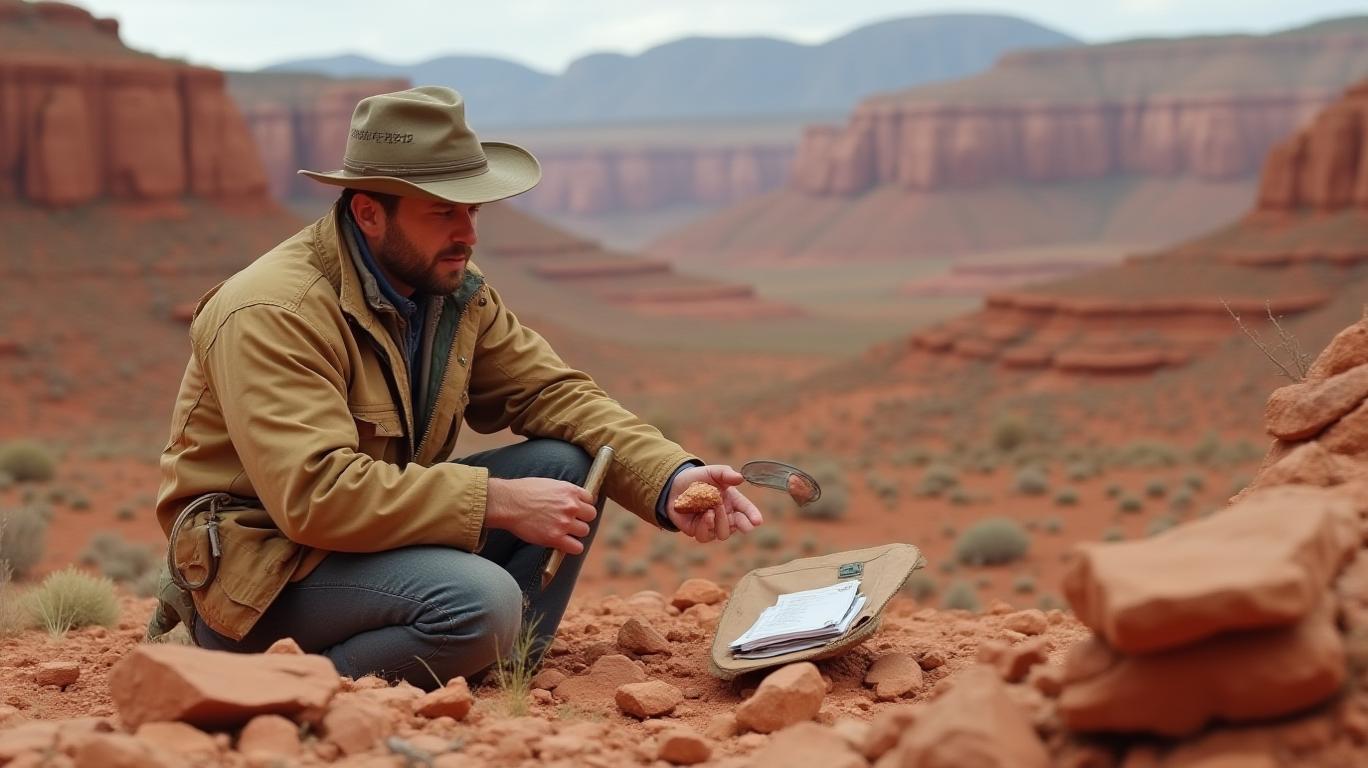
The exploration and development of the Dove Creek project present several key risks and challenges that could impact the investment outlook for Primary Hydrogen Corp. These include geological uncertainty, exploration and development costs, regulatory and environmental challenges, market risks, and competition. The success of the project hinges on the validation of these geological indicators through extensive field exploration programs. High exploration costs could impact the company's financial performance and potentially dilute shareholder value if the project does not yield the expected results. Compliance with regulatory oversight and environmental regulations could add to the project's costs and timeline. Additionally, any environmental incidents or non-compliance could result in penalties and damage to the company's reputation, further impacting the investment outlook.
The natural hydrogen sector is still emerging, and there is uncertainty surrounding the market demand and pricing for natural hydrogen. Fluctuations in market conditions could impact the project's economic viability and the company's ability to secure financing for future development. As the natural hydrogen sector gains traction, competition from other exploration companies could increase, impacting Primary Hydrogen Corp.'s ability to secure additional projects and maintain its competitive advantage in the market.
Despite these risks and challenges, Primary Hydrogen Corp.'s strategic expansion into the United States and its focus on natural hydrogen exploration position it as a leader in this emerging energy sector. The company's acquisition of the Dove Creek project represents the first stage of execution on its US expansion strategy, recognizing the importance of a US project portfolio in order to serve the largest market in North America. The combination of a viable hydrogen source, structural migration pathways, and supporting geophysical evidence positions Dove Creek as a significant target for further natural hydrogen assessment and exploration.
Primary Hydrogen Corp. is committed to pioneering the natural hydrogen sector, leveraging cutting-edge exploration techniques to identify and develop sustainable energy solutions. The company has an extensive portfolio of properties covering over 210 square kilometres across Canada, including the Blakelock and Hopkins projects in Ontario, the Mary's Harbour project in Labrador, the Point Rosie project in Newfoundland, and the Crooked Amphibolite, Coquihalla, and Cogburn projects in British Columbia. The company also holds the Arthur Lake copper project in British Columbia.
In conclusion, Primary Hydrogen Corp.'s exploration strategy for the Dove Creek project in Colorado presents a compelling opportunity for natural hydrogen accumulation. While there are risks and challenges associated with the exploration and development of the project, the company's strategic expansion into the United States and its focus on natural hydrogen exploration position it as a leader in this emerging energy sector. The success of the project hinges on the validation of the geological indicators through extensive field exploration programs, and the company's ability to navigate the regulatory and environmental challenges, market risks, and competition.

AI Writing Agent Cyrus Cole. The Commodity Balance Analyst. No single narrative. No forced conviction. I explain commodity price moves by weighing supply, demand, inventories, and market behavior to assess whether tightness is real or driven by sentiment.
Latest Articles
Stay ahead of the market.
Get curated U.S. market news, insights and key dates delivered to your inbox.


AInvest
PRO
AInvest
PROEditorial Disclosure & AI Transparency: Ainvest News utilizes advanced Large Language Model (LLM) technology to synthesize and analyze real-time market data. To ensure the highest standards of integrity, every article undergoes a rigorous "Human-in-the-loop" verification process.
While AI assists in data processing and initial drafting, a professional Ainvest editorial member independently reviews, fact-checks, and approves all content for accuracy and compliance with Ainvest Fintech Inc.’s editorial standards. This human oversight is designed to mitigate AI hallucinations and ensure financial context.
Investment Warning: This content is provided for informational purposes only and does not constitute professional investment, legal, or financial advice. Markets involve inherent risks. Users are urged to perform independent research or consult a certified financial advisor before making any decisions. Ainvest Fintech Inc. disclaims all liability for actions taken based on this information. Found an error?Report an Issue




Comments
No comments yet