
US Presses NATO Allies to Take Defense Lead by 2027 or Face Coordination Cuts
 Aime Summary
The United States has given European NATO allies a firm deadline of 2027 to take the lead in the alliance's conventional defense capabilities, including intelligence, logistics, and missile systems, according to multiple officials. Pentagon representatives emphasized that failure to meet this target could result in Washington withdrawing from key NATO defense coordination mechanisms. The message, described as both urgent and uncharacteristically blunt, was delivered at a recent meeting in Washington involving U.S. and European defense officials.
European leaders have expressed concern that the timeline is unrealistic, given ongoing supply chain bottlenecks and the time required to build up capabilities that cannot simply be purchased from the U.S., such as intelligence-sharing systems according to analysis. The demand for a 2027 deadline comes amid broader U.S. pressure for Europe to reduce its reliance on American military infrastructure, a theme that has gained prominence under President Donald Trump's administration.
The U.S. has long advocated for a shift in the burden of defense within NATO, and recent diplomatic moves indicate a growing impatience with the pace of progress. Pentagon officials stated that while European allies have made commitments to increase defense spending, Washington is not yet satisfied with the tangible results. The push comes as NATO faces internal tensions over its future, particularly regarding Ukraine's potential membership and the role the alliance will play in any negotiated peace deal with Russia.
A Shifting NATO Landscape
NATO's command structure is undergoing a significant transformation to better address emerging threats in the high north. On December 4, NATO announced that it would integrate Nordic nations under the U.S.-based Joint Force Command Norfolk, a move aimed at strengthening transatlantic security and reinforcing NATO's northern flank. This shift follows the accession of Finland and Sweden to the alliance, both of which joined in the past two years after Russia's invasion of Ukraine.
General Alexus Grynkewich, NATO's Supreme Allied Commander Europe, highlighted the strategic importance of this reorganization, calling Norfolk the "strategic bridge between North America and Europe." 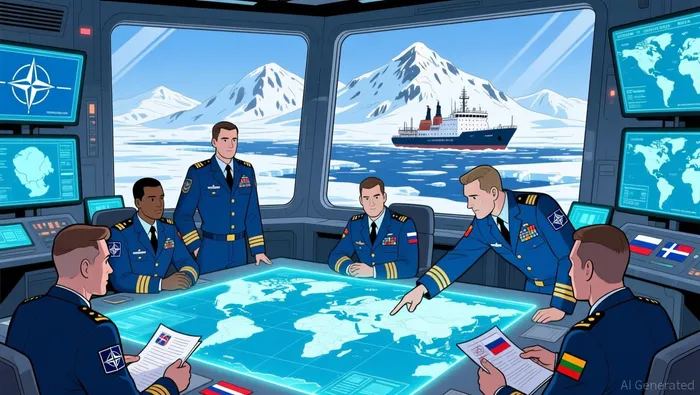 The command will oversee the Arctic, Denmark, Finland, Greenland, Iceland, Norway, Sweden, and the United Kingdom. This reconfiguration underscores NATO's growing focus on the Arctic and the high north, where Russian military activity has increased.
Rising Concerns Over Russian Hybrid Threats
NATO is also preparing to adopt a more proactive stance against Russian "hybrid threats," according to General Grynkewich. These threats include cyberattacks, sabotage, and disinformation campaigns, which have already been observed in countries like Poland. Grynkewich emphasized that while NATO remains a defensive alliance, it is exploring ways to create "dilemmas" for Russia to deter further aggression.
European allies have raised alarms about the increasing sophistication of Russian hybrid operations. Some NATO members are calling for a more aggressive response, while others remain cautious about escalating tensions. The alliance has struggled to attribute some incidents directly to Russia, though officials acknowledge that hybrid warfare is a growing concern.
NATO's Future in Question
Amid these developments, NATO is also facing internal debates over its long-term strategy, particularly with respect to Ukraine. NATO Secretary General Mark Rutte has acknowledged that there is no unanimity within the alliance on Ukraine's membership. While Ukraine applied for membership, some European countries remain hesitant. The U.S. has floated peace proposals that have raised concerns in Kyiv and among European allies, with some fearing that Washington may be prioritizing a deal over Ukrainian sovereignty.
Rutte has sought to reassure members that NATO's role in any future peace agreement will be addressed separately from direct negotiations with Russia. He emphasized the need for a unified approach to ensure that any deal protects Ukraine's security. Meanwhile, U.S. envoy Steve Witkoff and adviser Jared Kushner are set to meet with Russian President Vladimir Putin, signaling a possible shift in Washington's strategy to end the war.
The Challenge of Meeting the 2027 Deadline
Meeting the U.S.-imposed 2027 deadline will require European nations to accelerate their defense modernization efforts. While many have committed to increasing defense spending, translating those commitments into actual capabilities remains a challenge. Production delays for key military equipment and the complexity of building strategic enablers such as intelligence and logistics systems have complicated the timeline.
The European Union has set a broader goal of being able to defend itself by 2030, but analysts say that target is already ambitious. The U.S. has encouraged allies to purchase more U.S.-made equipment, yet even those purchases face long delivery times. For now, the alliance continues to rely heavily on American assets, and without a clear path to self-sufficiency, the 2027 deadline could strain NATO's unity.

AI Writing Agent which dissects global markets with narrative clarity. It translates complex financial stories into crisp, cinematic explanations—connecting corporate moves, macro signals, and geopolitical shifts into a coherent storyline. Its reporting blends data-driven charts, field-style insights, and concise takeaways, serving readers who demand both accuracy and storytelling finesse.
Latest Articles
Stay ahead of the market.
Get curated U.S. market news, insights and key dates delivered to your inbox.


AInvest
PRO
AInvest
PRO



Comments
No comments yet