
US President to Unveil AI Action Plan, Shifting to Incentives Over Regulations
 Aime Summary
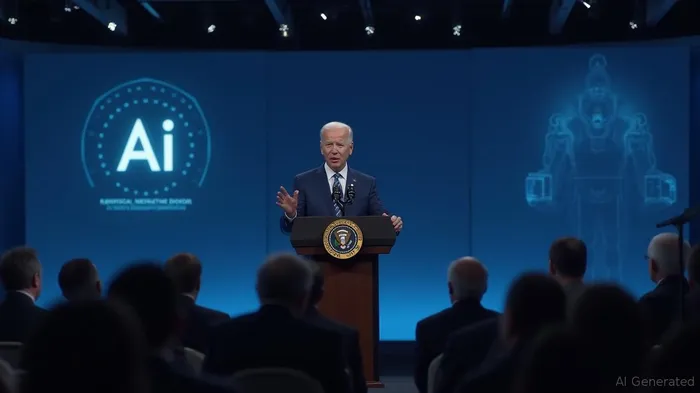
The President of the United States is set to announce the "AI Action Plan" tonight, marking a significant shift in the government's approach to artificial intelligence. The 20-page document, which will be unveiled at the "Winning the AI Race" event in Washington, focuses on three key pillars: infrastructure, innovation, and global impact. The plan is designed to promote AI development through incentives rather than strict regulations, a departure from the previous administration's approach.
The infrastructure pillar of the plan emphasizes the importance of building and modernizing AI infrastructure. This includes simplifying the permitting process for new data centers and enhancing the electrical grid to support increased power demands. The government has already initiated several large-scale private investment projects, such as the "Stargate" initiative, which aims to expand AI infrastructure with a 5000 billion investment. Additionally, the plan highlights the need for robust cybersecurity measures to protect critical infrastructure and ensure the secure deployment of AI technologies.
The innovation pillar of the plan aims to position the United States as a global leader in AI technology. It focuses on removing bureaucratic hurdles and preventing state-level regulations that could hinder AI development. The plan also includes measures to limit federal AI funding for states that impose overly restrictive regulations, ensuring a more uniform approach to AI governance across the country. This shift in policy is part of a broader effort to foster a more innovation-friendly environment, encouraging both public and private sectors to invest in and advance AI technologies.
The global impact pillar underscores the importance of promoting American AI technologies worldwide. The plan aims to ensure that allies and other nations adopt American AI models, positioning the United States as a leader in the global AI landscape. It also includes warnings to other countries against actions that could harm American companies' ability to develop AI technologies. The plan encourages the development of "open weights" AI models, which allow developers to download, modify, and run models locally, fostering a more collaborative and open AI ecosystem.
The "AI Action Plan" is expected to be accompanied by three executive orders, each addressing specific aspects of AI development. These orders will focus on "awakening AI," promoting the export of American technology, and streamlining the permitting process for data centers. The plan is designed to provide a clear and actionable roadmap for federal policy, aiming to drive AI development through a combination of incentives and strategic initiatives.
While the plan is largely focused on promoting growth and innovation, it also aims to avoid contentious issues that could hinder progress. The plan does not delve deeply into copyright concerns related to AI-generated content or require increased transparency from AI model developers. This "light touch" regulatory framework is intended to provide maximum flexibility for enterprise innovation while minimizing compliance burdens. However, it may also allow some industry disputes to remain unresolved, potentially leading to further debate and contention in the future.

Stay ahead of the market.
Get curated U.S. market news, insights and key dates delivered to your inbox.


AInvest
PRO
AInvest
PRO



Comments
No comments yet