
President Trump Declares National Emergency, Federalizes Washington Following ICE Cooperation Dispute
 Aime Summary
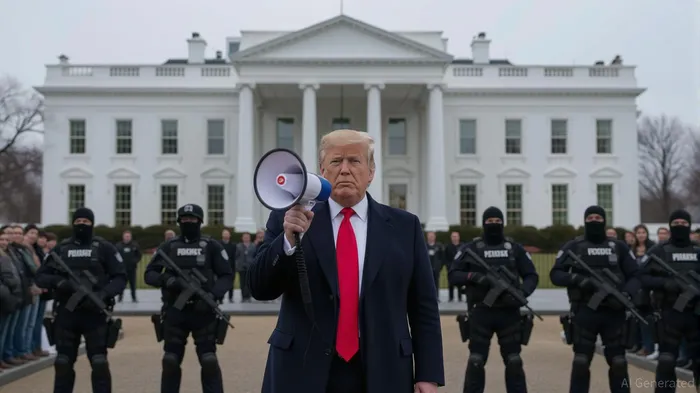
WASHINGTON — On September 1, 2025, President Donald J. Trump declared a national emergency and federalized the city of Washington following a significant breakdown in cooperation between federal immigration enforcement and local law enforcement. The decision came after the city’s police chief publicly refused to assist (ICE) in apprehending undocumented immigrants, citing local policies prioritizing community trust and immigrant integration.
The of Washington under 10 U.S. Code § 252, typically reserved for major emergencies or civil unrest, was justified by the administration as necessary to restore federal authority over immigration enforcement. The move allowed the Department of Defense to deploy federal agents to assist in carrying out ICE operations, effectively sidelining local law enforcement in immigration-related matters.
The declaration was issued under the authority of the , a legislative tool that allows the president to invoke emergency powers during crises. While the administration framed the action as a response to lawlessness and a failure to uphold federal law, local officials and civil rights advocates immediately criticized the measure as an overreach of executive power and a threat to civil liberties.
The Washington City Council had previously passed a resolution limiting the extent to which local police could assist ICE in immigration detainers, following years of community pushback against immigration raids. The current dispute escalated when ICE requested assistance with a high-profile operation targeting individuals with outstanding criminal warrants. The refusal by the city’s police chief to provide support prompted the administration to act swiftly.
Under the new federal directive, ICE is now working with the and federal law enforcement to conduct operations in Washington. The city’s mayor has urged the administration to respect local governance and withdraw the declaration, warning of long-term damage to community-police relations. However, the White House has shown no indication of reversing the decision, emphasizing its commitment to “restoring order and enforcing the law.”
are closely watching the situation to determine whether the federalization of Washington will withstand judicial review. Challenges are expected to be filed in federal court, raising questions about the scope of presidential power and the balance between federal and local authority. A ruling could set a significant precedent for future conflicts between federal immigration enforcement and .
The declaration has also sparked broader debates about the role of local governments in immigration enforcement. With similar policies in place in several major cities, the administration’s response in Washington may signal a more aggressive stance toward jurisdictions it views as noncompliant with federal immigration directives.

Stay ahead of the market.
Get curated U.S. market news, insights and key dates delivered to your inbox.


AInvest
PRO
AInvest
PRO



Comments
No comments yet