
Former U.S. President Shortens Russian-Ukrainian Peace Deadline to 12 Days
 Aime Summary
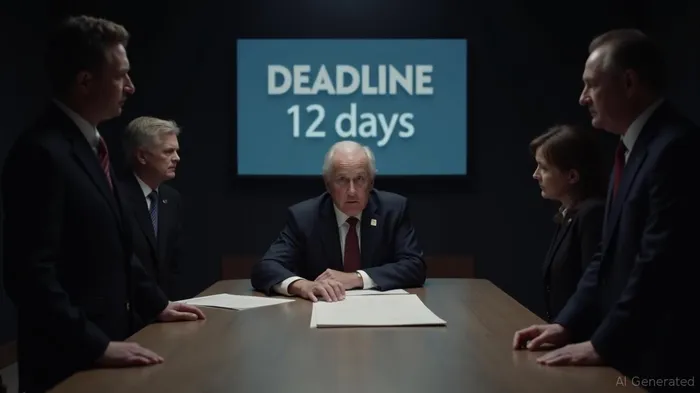
The has announced a significant shift in the timeline for the Russian-Ukrainian peace agreement. Initially, a 50-day deadline was set for the conclusion of the conflict. However, recent statements indicate a potential reduction of this period to approximately 10 to 12 days. This decision comes amidst growing impatience with the lack of progress in negotiations and a perceived unwillingness from Russia to expedite the resolution of the conflict.
The expressed frustration with the current state of affairs, stating that there is no justification for further delay. The urgency in this matter is underscored by the 's assertion that the United States has not observed any meaningful advancements towards peace. This sentiment is echoed in the decision to impose a more stringent deadline, aiming to accelerate the diplomatic process and potentially force both parties to engage more seriously in negotiations.
The 's announcement has sparked discussions about the potential implications of this new deadline. Some analysts suggest that the reduced timeframe could either expedite the peace process or escalate tensions if Russia does not comply. The 's threat of imposing "very severe" tariffs on Russia if the agreement is not reached within the new deadline adds another layer of complexity to the situation. This move is seen as a strategic maneuver to apply pressure on Russia, potentially influencing their stance in the negotiations.
The 's decision to shorten the deadline reflects a broader strategy to address the ongoing conflict more aggressively. By setting a tighter timeline, the aims to create a sense of urgency and push for a resolution that has been elusive thus far. The 's frustration with the lack of progress and the perceived intransigence of Russia are evident in the decision to impose a more stringent deadline. This move is part of a broader effort to bring the conflict to a swift conclusion, potentially through increased diplomatic pressure and economic sanctions.
The 's announcement has also raised questions about the potential impact on global relations. The 's decision to shorten the deadline could have far-reaching consequences, affecting not only the immediate parties involved but also the broader geopolitical landscape. The 's threat of imposing tariffs on Russia adds another dimension to the situation, potentially leading to retaliatory measures and further escalation of tensions. The 's move is seen as a bold step to address the conflict, but it also carries risks that could complicate the diplomatic process and strain international relations.

Stay ahead of the market.
Get curated U.S. market news, insights and key dates delivered to your inbox.


AInvest
PRO
AInvest
PRO



Comments
No comments yet