
U.S. President Demands South Korea Increase Defense Spending by 25%
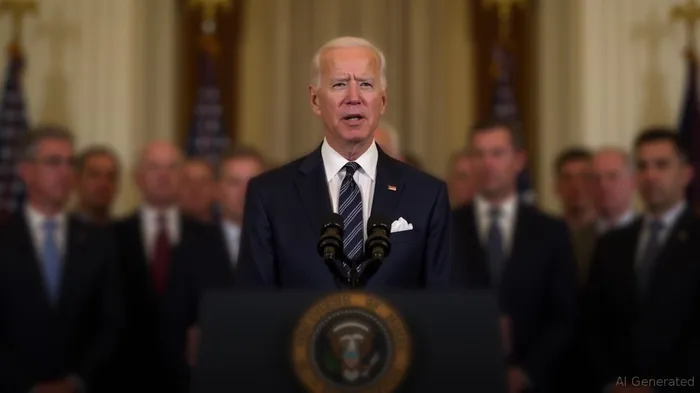
On August 8, the President of the United States, during a cabinet meeting at the White House, stated that South Korea should independently cover its military defense costs. The President also hinted that South Korea should pay more for the U.S. troops stationed in the country. This statement comes at a time when the U.S. is seeking to reduce its financial burden in maintaining military presence abroad. The President's remarks have sparked discussions about the future of the U.S.-South Korea alliance and the potential impact on regional security dynamics.
The President's call for South Korea to increase its defense spending is not new, as the U.S. has been pushing its allies to share more of the burden of their defense. However, the timing of the statement is significant, as it comes amid ongoing negotiations between the two countries over the cost-sharing agreement for the U.S. troops in South Korea. The current agreement, which expires at the end of this year, has been a contentious issue, with the U.S. demanding a significant increase in South Korea's contribution. The President's remarks have also raised questions about the potential implications for the broader U.S.-South Korea relationship. Some analysts suggest that the U.S. may be using defense cost-sharing as a bargaining chip to extract concessions from South Korea on other issues, such as trade or North Korea policy. Others argue that the U.S. is simply seeking to ensure that its allies are pulling their weight in the defense of the region.
Regardless of the motivations behind the President's statement, it is clear that the issue of defense cost-sharing will continue to be a key point of contention in U.S.-South Korea relations. The President's remarks have also highlighted the broader debate about the future of U.S. military presence in the region. Some argue that the U.S. should maintain a strong military presence in the region to deter potential threats from North Korea and China. Others suggest that the U.S. should reduce its military footprint in the region and focus on other priorities. The debate is likely to continue as the U.S. and its allies grapple with the changing security dynamics in the region.
According to the President, the presence of U.S. military forces in South Korea brings significant economic benefits to the country, while the U.S. incurs substantial losses. This imbalance is seen as unfair. The President mentioned that during his first term, he had secured an agreement with South Korea to increase its financial contribution to the U.S. troops stationed there. However, this agreement was later canceled by the previous administration. The President also noted that the U.S. provides military support to many successful nations, but these countries should also contribute financially to their own defense. Currently, there are approximately 28,500 U.S. troops stationed in South Korea. In the past, the President has indicated that if other countries do not increase their financial contributions, he may consider withdrawing U.S. troops from overseas.
Additionally, the President announced plans to impose a 25% tariff on imported goods from South Korea. This move adds another layer of complexity to the already strained relationship between the two countries. The tariff announcement comes just a day before the President's remarks on defense cost-sharing, suggesting a coordinated effort to pressure South Korea on multiple fronts. The potential impact of these actions on the U.S.-South Korea alliance and regional security dynamics remains to be seen, but it is clear that the relationship between the two countries is at a critical juncture. The coming months will be crucial in determining the future of their partnership and the broader implications for the region.

Stay ahead of the market.
Get curated U.S. market news, insights and key dates delivered to your inbox.


AInvest
PRO
AInvest
PRO



Comments
No comments yet