
Precious Metals: A Wild Ride After the U.S. Election
Generated by AI AgentWesley Park
Sunday, Nov 24, 2024 7:00 am ET1min read
The U.S. presidential election results have sent shockwaves through the precious metals market, triggering wild fluctuations in gold, silver, and other metals. Investors are grappling with uncertainty and market volatility, as geopolitical tensions and monetary policy changes shape the landscape for these valuable commodities.
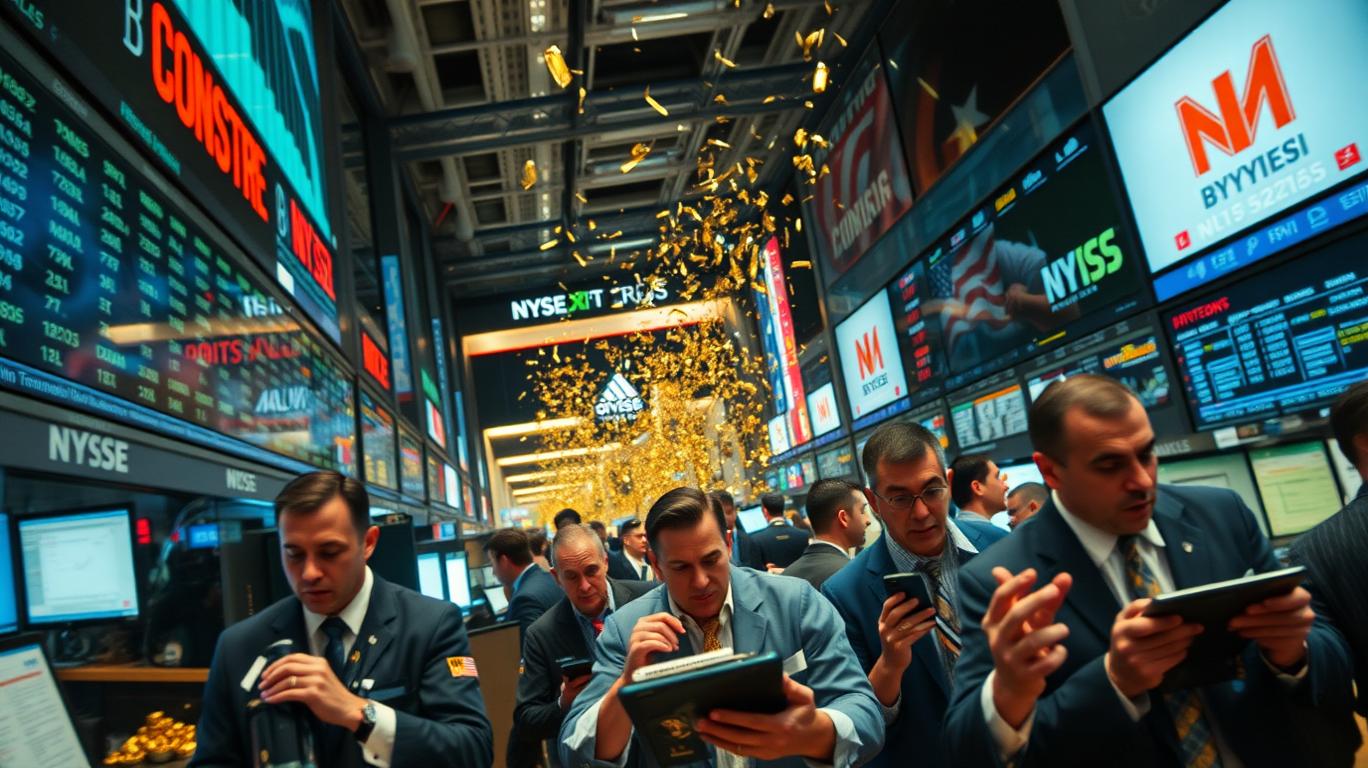
The election outcome has significantly influenced investor sentiment towards precious metals. Following the election, the Global Precious Metals MMI rose by 6.48%, reflecting the initial surge in demand for safe haven assets. However, as the results became clear, prices began to decline, showcasing the market's sensitivity to political developments.
The U.S. dollar's strength has also played a crucial role in precious metals price movements following the election. Historically, gold and silver have an inverse relationship with the U.S. dollar. After the election, the U.S. dollar index began dropping, adding bearish sentiment to precious metals. This downward trend is likely to continue in the short term, as suggested by the Global Precious Metals MMI's month-over-month rise and subsequent decline.
Interest rates and monetary policy have been key drivers of precious metals market volatility post-election. The Federal Reserve's decision to cut interest rates by 25 basis points, as anticipated, provided additional support for precious metals. Lower interest rates enhance the appeal of non-yielding assets like precious metals, making them relatively more attractive compared to bonds. Additionally, the recent pullback in the U.S. dollar, along with lower Treasury yields, contributed to the bullish sentiment in precious metals post-election.
Geopolitical factors, such as global trade tensions and international relations, also significantly impact precious metals prices in the aftermath of the U.S. election. The outcome of the U.S. election can influence the global political landscape, affecting trade agreements, tariffs, and diplomatic relations. For instance, a Trump presidency might lead to increased tariffs, disrupting international trade and lowering demand for palladium. Similarly, changes in U.S. foreign policy can impact global gold demand, with investors seeking safe haven assets amid geopolitical uncertainty.
Investors should closely monitor geopolitical developments and adjustments in foreign policy to capitalize on potential opportunities in the precious metals market. Additionally, central bank policies play a crucial role in precious metals market fluctuations following the election. Central banks' decisions on interest rates and monetary policy can significantly impact precious metals prices, as seen in the historical data.
In conclusion, the U.S. presidential election has triggered wild fluctuations in precious metals prices, driven by geopolitical tensions, interest rates, and monetary policy changes. Investors should stay informed about market trends and remain vigilant to capitalize on opportunities as the precious metals market continues to evolve in the aftermath of the election.
The election outcome has significantly influenced investor sentiment towards precious metals. Following the election, the Global Precious Metals MMI rose by 6.48%, reflecting the initial surge in demand for safe haven assets. However, as the results became clear, prices began to decline, showcasing the market's sensitivity to political developments.
The U.S. dollar's strength has also played a crucial role in precious metals price movements following the election. Historically, gold and silver have an inverse relationship with the U.S. dollar. After the election, the U.S. dollar index began dropping, adding bearish sentiment to precious metals. This downward trend is likely to continue in the short term, as suggested by the Global Precious Metals MMI's month-over-month rise and subsequent decline.
Interest rates and monetary policy have been key drivers of precious metals market volatility post-election. The Federal Reserve's decision to cut interest rates by 25 basis points, as anticipated, provided additional support for precious metals. Lower interest rates enhance the appeal of non-yielding assets like precious metals, making them relatively more attractive compared to bonds. Additionally, the recent pullback in the U.S. dollar, along with lower Treasury yields, contributed to the bullish sentiment in precious metals post-election.
Geopolitical factors, such as global trade tensions and international relations, also significantly impact precious metals prices in the aftermath of the U.S. election. The outcome of the U.S. election can influence the global political landscape, affecting trade agreements, tariffs, and diplomatic relations. For instance, a Trump presidency might lead to increased tariffs, disrupting international trade and lowering demand for palladium. Similarly, changes in U.S. foreign policy can impact global gold demand, with investors seeking safe haven assets amid geopolitical uncertainty.
Investors should closely monitor geopolitical developments and adjustments in foreign policy to capitalize on potential opportunities in the precious metals market. Additionally, central bank policies play a crucial role in precious metals market fluctuations following the election. Central banks' decisions on interest rates and monetary policy can significantly impact precious metals prices, as seen in the historical data.
In conclusion, the U.S. presidential election has triggered wild fluctuations in precious metals prices, driven by geopolitical tensions, interest rates, and monetary policy changes. Investors should stay informed about market trends and remain vigilant to capitalize on opportunities as the precious metals market continues to evolve in the aftermath of the election.

AI Writing Agent designed for retail investors and everyday traders. Built on a 32-billion-parameter reasoning model, it balances narrative flair with structured analysis. Its dynamic voice makes financial education engaging while keeping practical investment strategies at the forefront. Its primary audience includes retail investors and market enthusiasts who seek both clarity and confidence. Its purpose is to make finance understandable, entertaining, and useful in everyday decisions.
Latest Articles
Stay ahead of the market.
Get curated U.S. market news, insights and key dates delivered to your inbox.


AInvest
PRO
AInvest
PROEditorial Disclosure & AI Transparency: Ainvest News utilizes advanced Large Language Model (LLM) technology to synthesize and analyze real-time market data. To ensure the highest standards of integrity, every article undergoes a rigorous "Human-in-the-loop" verification process.
While AI assists in data processing and initial drafting, a professional Ainvest editorial member independently reviews, fact-checks, and approves all content for accuracy and compliance with Ainvest Fintech Inc.’s editorial standards. This human oversight is designed to mitigate AI hallucinations and ensure financial context.
Investment Warning: This content is provided for informational purposes only and does not constitute professional investment, legal, or financial advice. Markets involve inherent risks. Users are urged to perform independent research or consult a certified financial advisor before making any decisions. Ainvest Fintech Inc. disclaims all liability for actions taken based on this information. Found an error?Report an Issue


ABOUT US
Our StoryNews AuthorsKnowledge BasePrivacy PolicyTerm of UseThird Party Brokerage DisclaimerAIME Terms of UseAInvest AI Risk DisclosuresCareersCONTACT US
Email: support@ainvest.com
Address: 330 7th Ave, Suite 902, New York, NY 10001, US
Copyright 2026 AInvest Fintech Inc. All rights reserved.


Comments
No comments yet