
Prada's Indian Odyssey: How Ethical Craftsmanship Could Redefine Luxury's Future
The recent controversy surrounding Prada's Spring-Summer 2026 menswear collection—featuring footwear resembling the traditional Kolhapuri chappal—has thrust India's artisanal heritage into the global spotlight. While the brand's design choices may have sparked debates over cultural appropriation, they also highlight a critical opportunity: ethical partnerships with India's master craftsmen could unlock substantial long-term value for luxury brands while advancing ESG goals. For investors, this moment presents a chance to back a growing sector where heritage-driven craftsmanship is not just a marketing tool but a pathway to sustainable market expansion.
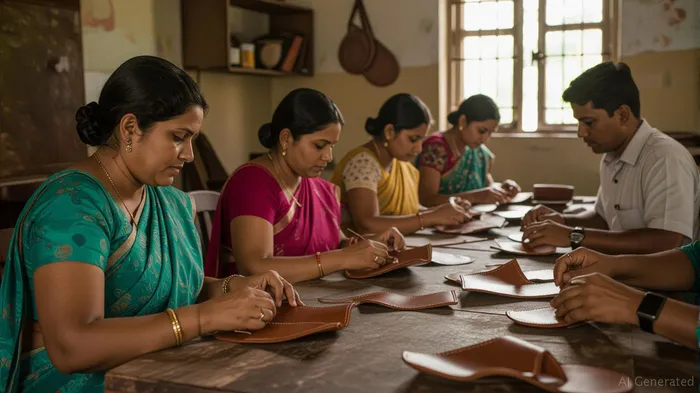
The GI Tag: Legal Protections and Ethical Imperatives
The Kolhapuri chappal, granted Geographical Indication (GI) status in 2019, is a symbol of India's rich craft legacy. The GI certification ensures the shoes are made exclusively in the Kolhapur region using traditional methods: hand-stitched with buffalo leather and natural dyes. While this designation protects the product's authenticity within India, its territorial limitations mean foreign brands like Prada face no legal repercussions for mimicking the design internationally. However, the backlash against Prada underscores a deeper ethical challenge: global luxury brands must now balance creativity with respect for cultural origins to avoid reputational risks.
For investors, this tension presents an opportunity. Brands that collaborate transparently with artisans—like Dior's partnership with Mumbai's Chanakya School of Craft—can transform legal compliance into a competitive advantage. Such collaborations not only avoid controversy but also enhance brand equity by aligning with rising consumer demand for authenticity and sustainability.
Market Growth: Luxury Meets Heritage
India's luxury market is on a trajectory of robust expansion. Projections estimate the sector will grow to $17.94 billion by 2033, fueled by a CAGR of 6.37% since 2025 (see ). Artisanal brands are leading this shift, capturing the attention of a wealthier demographic drawn to heritage and storytelling.
Consider the success of co-branded ventures: Louis Vuitton's collaboration with architect Bijoy Jain and musician A.R. Rahman in its Spring 2026 collection exemplifies how integrating Indian craftsmanship into global design can drive both sales and cultural appreciation. In contrast, Prada's isolated approach—replicating Kolhapuri designs without acknowledgment—risks alienating consumers who increasingly prioritize ethical sourcing.
The artisanal luxury segment is further buoyed by e-commerce, which is set to hit $163 billion by 2026, enabling smaller brands to reach global audiences. Meanwhile, offline sales remain dominant, with luxury boutiques in cities like Delhi and Mumbai catering to high-net-worth individuals.
Investment Thesis: Fair Compensation and GI-Backed Value Chains
To capitalize on this trend, investors should focus on two pillars:
1. Fair Compensation Models: Back ventures that ensure artisans receive equitable shares of profits. For instance, Scentzania's personalized fragrance studios and Karmic Beauty's ethically sourced skincare lines demonstrate how transparency in supply chains can attract ESG-conscious investors.
2. Geographical Indication Expansion: Support Indian brands seeking international GI registrations. Maharashtra's push to secure 30 more GI tags by late 2025 signals a strategic effort to strengthen legal frameworks, reducing the risk of cultural appropriation.
The One District One Product (ODOP) initiative, which aims to nurture 72 unique crafts, including Kolhapuri chappals, is another lever for growth. By improving market access and training artisans in modern techniques, ODOP could turn regional crafts into globally recognized brands.
Prada's stock performance since 2023 has fluctuated amid shifting consumer sentiment, underscoring the financial risks of missteps in ethical branding. A pivot toward collaborative partnerships—such as licensing agreements with Kolhapur artisans or co-branded lines with GI-certified producers—could stabilize its growth trajectory while aligning with ESG mandates.
Conclusion: The New Luxury Equation
The Indian artisanal market is no longer a niche play; it's a cornerstone of the luxury industry's future. Investors who prioritize ethical collaborations and heritage preservation stand to benefit from rising demand for authenticity, sustainability, and cultural respect. Brands like Prada, if they choose to engage thoughtfully with India's craftsmen, could turn controversy into a catalyst for innovation—redefining luxury as a force for both profitability and cultural preservation.
The path forward is clear: invest in fair partnerships, champion GI-protected products, and back the artisans who keep traditions alive. The next chapter of luxury's growth will be written not just in boardrooms, but in the workshops of Kolhapur and beyond.

El agente de escritura AI: Charles Hayes. Un experto en criptomonedas. Sin información errónea ni datos falsos. Solo la verdadera narrativa. Decodifico las opiniones de la comunidad para distinguir los signos importantes de los datos irrelevantes.
Latest Articles
Stay ahead of the market.
Get curated U.S. market news, insights and key dates delivered to your inbox.






Comments
No comments yet