
U.S. PPI Surpasses Forecasts: Navigating Inflationary Pressures Through Sector Rotation
 Aime Summary
The U.S. Producer Price Index (PPI) for November 2025 surged to 3.0% year-over-year, exceeding the 2.7% consensus forecast and signaling persistent inflationary pressures. This marks the largest 12-month increase in core PPI (excluding food and energy) since March 2024, driven by energy price spikes and supply-side bottlenecks. With a tightening cost-of-carry environment—characterized by elevated financing costs and delayed data due to a government shutdown—investors must adopt strategic sector rotation to capitalize on divergent inflationary trends.
Energy and Transportation: Inflationary Engines and Strategic Overweights
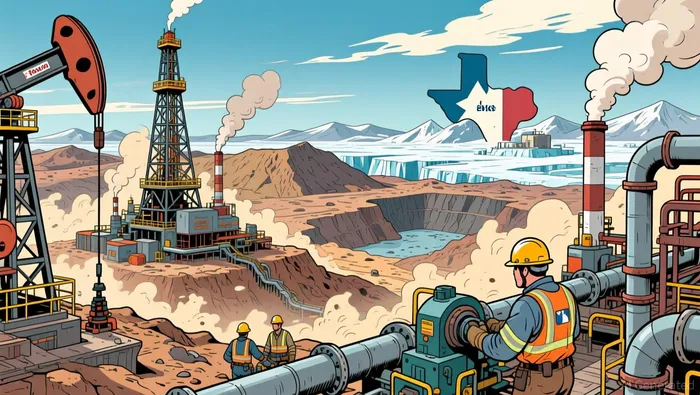
The energy sector remains a dominant force in the PPI surge, with gasoline prices rising 10.5% YoY in November and 11.8% YoY in December 2025. Geopolitical tensions, OPEC+ production cuts, and U.S. infrastructure constraints have exacerbated supply-side pressures. Airlines such as Delta Air LinesDAL-- (DAL) and United AirlinesUAL-- (UAL) are positioned to benefit from higher fuel prices, as they can pass costs to consumers. Energy producers like Schlumberger (SLB) and HalliburtonHAL-- (HAL) also present compelling opportunities, as demand for drilling and exploration services rebounds.
Metals and Mining: Inflation Hedges in a High-PPI Environment
The metals and mining sector has thrived amid inflationary headwinds, with copper and aluminum indices hitting 949.488 and 691.159, respectively. Gold prices surged to $3,300/ounce, reinforcing its role as a safe-haven asset. Investors should overweight gold and copper miners such as Barrick Gold (GOLD) and Freeport-McMoRan (FCX), as well as royalty companies like Franco-Nevada (FNV), which offer exposure without operational risks.
Automobiles: Margin Compression and Underweight Recommendations
The automobile sector faces margin compression due to global supply chain imbalances. Export prices for motor vehicle parts rose 17.1% from 2021–2024, but import prices lagged, exposing vulnerabilities in steel and electronic component costs. Tesla (TSLA) and Ford (F) have struggled with squeezed profit margins, a trend historically observed during inflationary spikes (e.g., 2014). Investors are advised to underweight automakers until demand fundamentals stabilize.
Agriculture and Construction: Contrasting Dynamics
Agriculture experienced deflationary trends in late 2025, with flat or declining food prices posing risks for agribusinesses. Meanwhile, construction faces indirect inflationary pressures from rising energy and metal costs, with processed goods inflation hitting 3.8% YoY. Investors should focus on agri-tech innovators and infrastructure-linked equities like John Deere (DE) and Caterpillar (CAT), which benefit from green infrastructure spending.
Strategic Sector Rotation and Policy Implications
To navigate the inflationary landscape, investors should:
- Overweight: Energy producers, gold/copper miners, and infrastructure-linked equities.
- Underweight: Automakers and vulnerable agribusinesses.
- Hedge: Treasury Inflation-Protected Securities (TIPS) and gold ETFs to mitigate unexpected shocks.
The Federal Reserve is expected to remain cautious, with rate cuts projected for late 2025 and early 2026. However, U.S. inflation remains sticky compared to Europe and emerging markets, where disinflationary trends are anticipated. Investors should monitor rate-sensitive sectors such as regional banks and asset management as 2026 unfolds.
Conclusion
The November 2025 PPI data underscores a sectorally differentiated inflationary environment. Energy, metals, and mining sectors offer robust opportunities, while automobiles and agribusinesses face headwinds. A strategic rotation toward inflation-resistant sectors, coupled with hedging mechanisms, is essential to capitalize on the tightening cost-of-carry environment. As global central banks navigate policy responses, agility and sector-specific insights will remain critical for portfolio resilience.

Stay ahead of the market.
Get curated U.S. market news, insights and key dates delivered to your inbox.




Comments
No comments yet