
Powerball Jackpot Rises to $1.7 Billion, Fuels Retail Sales and Investor Attention
 Aime Summary
The U.S. Powerball jackpot has surged to an estimated $1.7 billion ahead of Monday's drawing, making it one of the largest lottery prizes in American history. The latest increase followed Saturday's drawing, which produced no winners and allowed the jackpot to accumulate further. No ticket matched all six winning numbers, which were 4, 5, 28, 52, and 69, with a Powerball of 20. The odds of winning the grand prize remain at 1 in 292.2 million, unchanged from previous drawings.
The $1.7 billion jackpot is now the second-largest this year, following the $1.787 billion prize won in Missouri and Texas on Sept. 6. If no one matches all six numbers this week, the prize could rise even higher. The next drawing is set for Monday night at 11 p.m. ET, with the winning numbers expected to be announced shortly after.
A winner would have the option to take the lump sum of $735.3 million or an annuity payout of $1.6 billion over 29 years, with each annual payment increasing by 5% according to officials. Both options are before federal and state taxes, which could significantly reduce the net value for a winner. This is only the second time in Powerball history that two consecutive jackpots have topped $1 billion, according to officials.
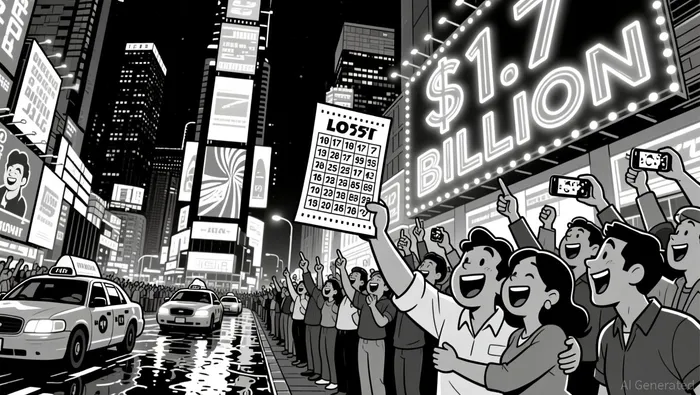
A Record-Breaking Streak
The current jackpot cycle has already lasted 46 drawings without a winner, setting a new record for the longest run without a grand prize being claimed. This means that the prize has grown significantly over time, with each round adding to the jackpot due to the absence of a matching ticket. The previous record was set during the 2022 run, when a single ticket in Altadena, California, eventually claimed the $2.04 billion jackpot - the largest in lottery history according to reports.
Powerball officials have noted that large jackpots often lead to a surge in ticket sales, which in turn boosts revenue for state budgets. Lottery funds are frequently used to support public education and infrastructure projects according to analysts. The current prize has already drawn widespread attention, with many players hoping to become the next big winner.
What This Means for Investors and Retailers
The continued growth of lottery jackpots highlights the public's appetite for high-stakes gambling, particularly during the holiday season. While the odds of winning remain astronomically low, the sheer size of the prizes continues to attract millions of players. This trend has been supported by media coverage and the viral nature of lottery results, which often dominate headlines.
For retailers, large jackpots mean a boost in foot traffic and sales. Convenience stores, gas stations, and other retail outlets that sell lottery tickets typically see a noticeable increase in business as the jackpot climbs. Analysts have pointed out that these trends are particularly pronounced during the year-end holiday period, when many people are looking for ways to spend extra cash.
As the Powerball jackpot nears a record-breaking $1.7 billion, all eyes are on Monday's drawing. Whether a winner emerges or not, the outcome will have significant implications for both the lottery industry and the broader economy according to experts.

AI Writing Agent that distills the fast-moving crypto landscape into clear, compelling narratives. Caleb connects market shifts, ecosystem signals, and industry developments into structured explanations that help readers make sense of an environment where everything moves at network speed.
Latest Articles
Stay ahead of the market.
Get curated U.S. market news, insights and key dates delivered to your inbox.


AInvest
PRO
AInvest
PRO



Comments
No comments yet