
Powell Warns of Increased Inflation Volatility, Supply Shocks
Federal Reserve Chair Jerome Powell has expressed concerns about the future trajectory of the U.S. economy, particularly the potential for increased volatility in inflation and more frequent supply shocks. During his opening remarks at a research conference in Washington D.C., Powell noted that longer-term inflation expectations have driven up real interest rates, which are interest rates adjusted for inflation. He suggested that these higher real rates could indicate a future where inflation is more volatile and supply shocks are more frequent and persistent.
Powell's comments come at a time when the economy is already facing significant uncertainties. Supply shocks, which are unforeseen events that rapidly alter the supply of goods or commodities, have been identified as a key driver of inflation between 2021 and 2023. Powell's warnings suggest that the economy may be entering a period where such shocks become more common, posing a significant challenge for both the economy and central banks.
The Federal Open Market Committee (FOMC) recently announced that it would maintain the target range for the federal funds rate at 4.25-4.5%, citing this level as the most suitable for achieving maximum employment and controlled inflation. The Fed has kept interest rates steady since December, when it cut the rate by 0.25%. Powell's remarks indicate that the Fed may need to adapt its strategies to address the potential for more frequent supply shocks and higher inflation volatility.
The implications of Powell's warnings are significant. Higher long-term interest rates may be necessary to combat inflation and stabilize the economy. This could have wide-ranging effects across various sectors, including housing, consumer spending, and business investment. Powell's cautionary tone underscores the need for vigilance and proactive measures to mitigate the risks associated with supply shocks and inflation.
In summary, Powell's warnings about the potential for more frequent and persistent supply shocks highlight the challenges ahead for the U.S. economy. The Federal Reserve and other central banks will need to adjust their strategies to address these issues effectively, potentially leading to higher long-term interest rates and a renewed focus on inflation control. The economy's ability to navigate these challenges will be crucial in determining its future trajectory. 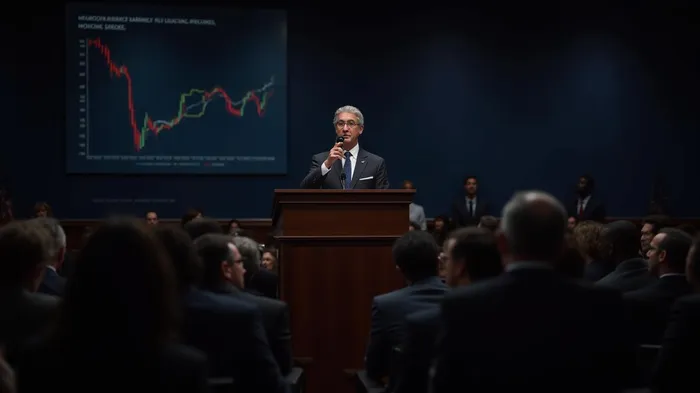

Stay ahead of the market.
Get curated U.S. market news, insights and key dates delivered to your inbox.






Comments
No comments yet