
Powell Signals Possible Rate Cuts Amid Tariff Concerns at Jackson Hole Symposium
 Aime Summary
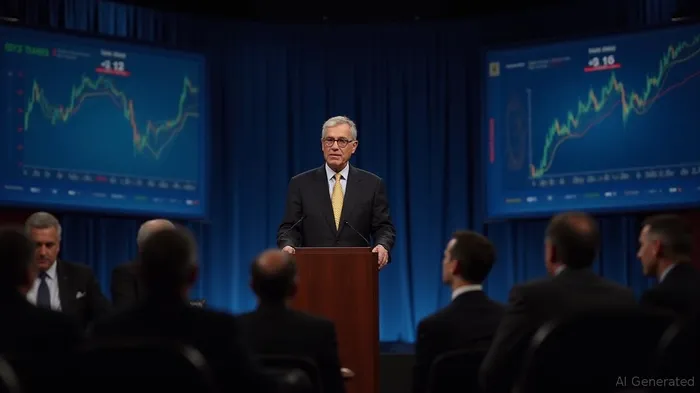
Federal Reserve Chair Jerome Powell recently delivered a critical speech at the annual economic symposium in Jackson Hole, Wyoming, amid significant pressure from the Trump administration. His remarks indicated that interest rate cuts could be on the horizon as the Federal Reserve navigates growing risks, particularly in the labor market and due to tariffs impacting inflation. Powell suggested that the job market is exhibiting unusual behavior, which may necessitate a shift in the Fed's monetary policy stance.
The Trump administration has intensified its push for a comprehensive overhaul of the Federal Reserve, characterized by resignation, investigations, and accusations against Fed officials such as Lisa Cook. President Trump has threatened Cook with termination, citing her alleged mortgage fraud, although evidence remains indistinct. Powell's leadership, too, has been questioned by the administration, particularly regarding his reluctance to reduce interest rates and perceived mismanagement of the Fed's headquarters renovation costs.
The Jackson Hole symposium has become an even more significant event in academia and the financial sector, as Powell's potential policy shift is under heightened scrutiny following past comments which have influenced market dynamics. Investors and economists alike are eager for signs on the trajectory of interest rates, especially considering the current turbulent economic environment.
Powell acknowledged the rising prices attributed to higher tariffs, expressing concern that inflationary pressures are becoming more pronounced. He noted that the effects of tariffs are "clearly visible" and could accumulate in future months, introducing uncertainty around their timing and magnitude. This cautious assessment aligns with the warning of downside risks to employment, as Powell highlighted the labor market's delicate balance between slowing worker supply and demand. Such risks, if realized, could quickly lead to increased layoffs and unemployment.
There is a substantial expectation among investors and traders that the Fed may implement a rate cut in September, a sentiment bolstered by Powell's openness to this possibility during his speech. The market reaction was swift, with stocks surging as investors anticipated lower borrowing costs that could propel economic activity and investment. However, this optimism was coupled with concerns about potential volatility if Powell refrained from definitive dovish signals.
Powell's term as Chair concludes in May 2026, and his keynote at Jackson Hole might be among his final significant contributions. Throughout this period, Powell has maintained a careful approach, emphasizing data dependence and the need for patience in monetary policy adjustments. This perspective is likely to continue influencing the Fed's actions amidst broader political pressures and economic uncertainties.
In conclusion, Jerome Powell's speech at Jackson Hole laid out potential monetary policy shifts aimed at addressing economic vulnerabilities, particularly associated with tariffs and labor market fluctuations. As the Fed Chief hinted at prospective rate cuts, significant market reactions underscored the anticipation of forthcoming changes that could define Powell’s tenure and influence future economic policy directions.

Stay ahead of the market.
Get curated U.S. market news, insights and key dates delivered to your inbox.






Comments
No comments yet