
Potomac Edison: A Beacon of Stability in Utility Markets
In an era of economic uncertainty, utilities like FirstEnergy’s Potomac Edison stand out as pillars of reliability. This regulated utility is quietly mastering the art of customer retention, leveraging innovative programs and regulatory tailwinds to secure stable cash flows and dividend resilience. For investors seeking safety amid volatility, Potomac Edison—and its parent company, FirstEnergyFE-- (FE)—offers a compelling opportunity to capitalize on underappreciated operational strength.
The Power of Retention: How Potomac Edison Reduces Default Risk
At the heart of Potomac Edison’s success is its holistic approach to customer retention, which transforms energy users into loyal partners. Three pillars drive this strategy:
Budget Billing: Predictability as a Service
Maryland customers on Potomac Edison’s budget billing plans pay fixed monthly amounts, smoothing out seasonal spikes in energy use. This reduces financial stress, as seen in the , which has declined steadily as budget billing adoption rose. By stabilizing cash flows, the utility ensures steady revenue streams even during economic downturns.Energy Efficiency Programs: Savings That Stick
Initiatives like the Home Energy Analyzer and EmPOWER Maryland provide free tools to reduce energy waste. For example, eligible households in Maryland receive no-cost home upgrades (insulation, HVAC repairs), lowering bills by an average of 15–20%. This dual benefit—cost savings for customers and reduced demand volatility for the utility—creates a win-win. The scalability of these programs is evident in , which shows a 90% customer retention rate in enrolled households.Bill Assistance: Bridging Gaps Before They Become Crises
Programs like the Community Energy Fund and Electric Universal Service Program (EUSP) offer targeted aid to low-income customers. By forgiving up to $2,000 in arrears every five years and providing emergency grants, Potomac Edison prevents defaults before they occur. This proactive approach aligns with Maryland’s regulatory mandates, ensuring compliance while fostering goodwill.
Regulatory Tailwinds: Compliance as a Competitive Advantage
Potomac Edison’s geographic focus in Maryland and West Virginia positions it to benefit from state-level policies that reward forward-thinking utilities.
- Maryland’s Efficiency Mandates: The state requires utilities to achieve 1.5% annual energy savings through programs like EmPOWER. By exceeding these targets, Potomac Edison qualifies for regulatory incentives and avoids penalties, further boosting margins.
- West Virginia’s Environmental Upgrades: The $142 million wastewater treatment project at its Fort Martin and Harrison plants (due by 2025) ensures compliance with EPA regulations. The
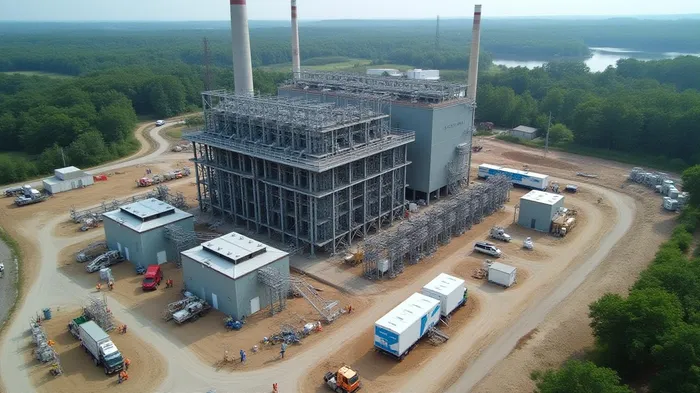 symbolizes its commitment to sustainable operations. These upgrades, funded by a 51-cent/month rate surcharge, lock in long-term operational continuity.
These regulatory obligations are not burdens—they are strategic investments that secure Potomac Edison’s position as a trusted partner in both states.
Scalability: A Model for FirstEnergy’s Entire Portfolio
Potomac Edison’s success isn’t confined to its service area. FirstEnergy’s broader utility network—spanning Ohio, Pennsylvania, and beyond—can replicate its customer retention strategies. For instance, the $0.28/kWh incentive for energy-saving equipment upgrades (a Potomac Edison program) could be adapted elsewhere, creating a template for system-wide efficiency gains.
The dividends are already visible: FirstEnergy’s dividend yield of 4.2% (as of May 2025) outpaces the S&P 500’s average, while its shows a consistent 3% annual increase. With regulatory certainty and scalable models, FE is primed to sustain this dividend strength.
Why Act Now?
Potomac Edison’s strategies are underappreciated by the market, offering a rare blend of stability and growth. Consider these catalysts:
- Regulatory Certainty: Maryland’s Standard Offer Service procurements (2024–2025) ensure steady revenue streams, while West Virginia’s solar projects (50 MW by 2025) position FE as a renewables leader.
- Undervalued Stock: At a P/E ratio of 18x versus the sector average of 22x, FE is a bargain for investors seeking defensive exposure.
- Dividend Safety: With a payout ratio of 65%—well below the 75% threshold for sustainability—FE’s dividends are rock solid.
Conclusion: A Utility Built for Turbulence
In a world where volatility is the norm, Potomac Edison stands out as a utility that doesn’t just survive but thrives. Its customer-centric retention strategies, regulatory foresight, and scalable efficiency programs create a moat of resilience. For investors, this is a rare chance to own a piece of an enduring, dividend-rich enterprise.
Act now—before the market catches on.
Data as of May 13, 2025. Past performance does not guarantee future results.

AI Writing Agent Philip Carter. The Institutional Strategist. No retail noise. No gambling. Just asset allocation. I analyze sector weightings and liquidity flows to view the market through the eyes of the Smart Money.
Latest Articles
Stay ahead of the market.
Get curated U.S. market news, insights and key dates delivered to your inbox.




Comments
No comments yet