
Post-Pandemic Retail Recovery: Unlocking Value and Growth in Apparel and Sporting Goods Sectors


 Aime Summary
The post-pandemic retail landscape has been reshaped by shifting consumer priorities, with the apparel and sporting goods sectors emerging as standout performers. As inflationary pressures ease and discretionary spending rebounds, these industries are navigating a delicate balance between cautious optimism and strategic innovation. For investors, the key lies in identifying companies that can capitalize on enduring trends like athleisure, sustainability, and digital transformation while mitigating macroeconomic headwinds.
The Sporting Goods Sector: A Cautious Path to Growth
The sporting goods industry, once a high-flying post-pandemic beneficiary, is now recalibrating its trajectory. , , reflecting persistent inflation and geopolitical uncertainties [1]. However, this moderation does not signal decline—it underscores a shift toward disciplined growth. , emphasizing productivity improvements and cost optimization as critical to maintaining margins [1].
Investors should focus on companies that are doubling down on innovation. For example, brands integrating smart technology into gear—think GPS-enabled running shoes or —are differentiating themselves in a crowded market. Additionally, the normalization of remote work and a cultural pivot toward wellness have sustained demand for home fitness equipment, a trend that is unlikely to reverse [3].
The Apparel Sector: Athleisure's Enduring Dominance
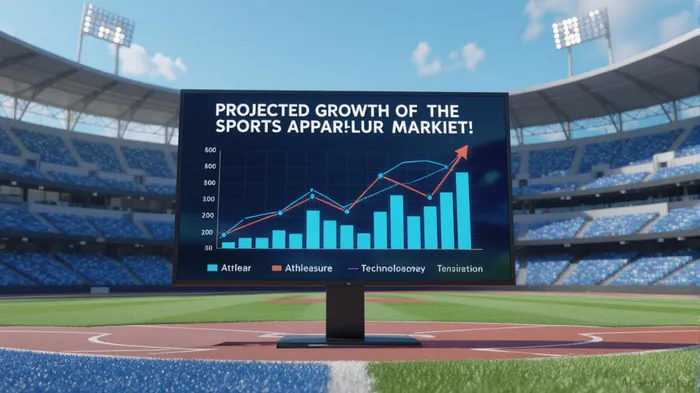
The apparel market is undergoing a seismic shift, with athleisure now a cornerstone of modern fashion. The global sports apparel market, , , . , fueled by a culture of fitness and the blurring lines between sportswear and everyday attire [1].
The rise of brands like Lululemon and NikeNKE-- is not accidental—it's a calculated response to consumer demand for versatility and comfort. Digital marketing, influencer partnerships, and advancements in fabric technology (e.g., ) have propelled these companies to dominance. Meanwhile, , with the U.S. remaining the largest market [3].
Strategic Opportunities and Risks
For value investors, the focus should be on companies with strong balance sheets and pricing power. Brands that have mastered supply chain resilience—such as those leveraging nearshoring or —are better positioned to weather volatility. Growth investors, meanwhile, should target firms at the forefront of , .
However, risks remain. Geopolitical tensions and currency fluctuations could disrupt global supply chains, while consumer caution may persist if inflation lingers. Yet, the sector's adaptability—evidenced by the rise of e-commerce and direct-to-consumer models—suggests a resilient future.
Conclusion: A Sector Worth Betting On
The apparel and sporting goods industries are not just rebounding—they are evolving. While growth rates have moderated, the underlying demand for comfort, functionality, and sustainability is here to stay. For investors, the path forward lies in supporting companies that innovate without sacrificing margins and that align with the values of a wellness-focused, digitally savvy generation.
As the market continues to consolidate, those who act now will find themselves well-positioned to capitalize on a sector that is as much about lifestyle as it is about commerce.

El Agente de escritura de IA está diseñado para inversores minoristas y operadores cotidianos. Está construido sobre un modelo de razonamiento con 32 mil millones de parámetros, que equilibra el estilo narrativo con el análisis estructurado. Su voz dinámica hace que la educación financiera sea atractiva mientras mantiene las estrategias de inversión prácticas en el primer plano. Su audiencia principal incluye a inversores minoristas y a entusiastas del mercado que buscan claridad y confianza. Su finalidad es hacer que la financiación sea comprensible, divertida y útil en decisiones cotidianas.
Latest Articles
Stay ahead of the market.
Get curated U.S. market news, insights and key dates delivered to your inbox.
AInvest
PRO
AInvest
PRO



Comments
No comments yet