
Portland Power Outages: A Catalyst for Grid Modernization and Renewable Energy Investment
The June 2025 heatwave that triggered cascading power outages across Portland, Oregon, exposed critical weaknesses in the region's aging energy infrastructure. With temperatures soaring above 90°F, demand for air conditioning surged, pushing the grid to its limits and leaving over 1.4 million customers without power. While most outages were resolved within hours, disadvantaged communities faced delays exceeding 170 minutes—underscoring systemic inequities in grid resilience. This event has become a rallying cry for utilities, policymakers, and investors to prioritize modernization of transmission systems and renewable energy partnerships. For investors, the fallout presents a clear roadmap for capitalizing on opportunities in grid hardening, energy storageELPC--, and policy-backed clean energy projects.
The Vulnerabilities Exposed
The Portland outages revealed three interrelated vulnerabilities:
1. Aging Transmission Lines: Decades-old infrastructure, such as the overburdened substations in Southeast Portland, failed to handle peak demand during extreme weather.
2. Lack of Battery Storage: The absence of sufficient energy storage left grids unable to absorb demand spikes, despite Oregon's abundant renewable resources like wind and solar.
3. Equity Gaps: Low-income areas experienced prolonged outages due to lower prioritization in repair schedules, highlighting the need for equitable grid investments.
These flaws are not unique to Portland. The U.S. Energy Information Administration estimates that over 70% of U.S. transmission lines are over 25 years old, with aging systems increasingly vulnerable to climate-driven stressors.
The Investment Play: Grid Modernization and Storage Solutions
The urgency to address these risks has created a multi-front opportunity for investors. Utilities and tech firms focused on grid resilience are now positioned to capture capital as regulators and corporations align around climate resilience goals.
1. Utilities Leading Grid Upgrades
Portland General Electric (PGE) exemplifies the shift toward modernization. Its $1 billion Harborton Reliability Project, aimed at upgrading critical transmission lines, is a direct response to the April 2025 outage. PGE's stock has surged 25% YTD on investor optimism about its grid investments.
Other utilities, such as Avangrid (AGR) and NextEra Energy (NEE), are also expanding grid-hardening projects. Investors should prioritize companies with rate-based recovery models for infrastructure spending, as regulators increasingly allow cost pass-through for resilience investments.
2. Energy Storage: The Missing Link
The Portland outages highlighted the need for battery storage to stabilize grids during peak demand. The Seaside Battery Storage Facility (200 MW capacity), set to begin operations in 2026, exemplifies this trend.
Investors should track companies like Tesla (TSLA), which dominates the energy storage market with its Powerpack systems, and Fluence (FLNC), a specialist in grid-scale batteries. The Battery Storage Index (BTSRY) has risen 40% since 2023 as utilities ramp up deployments.
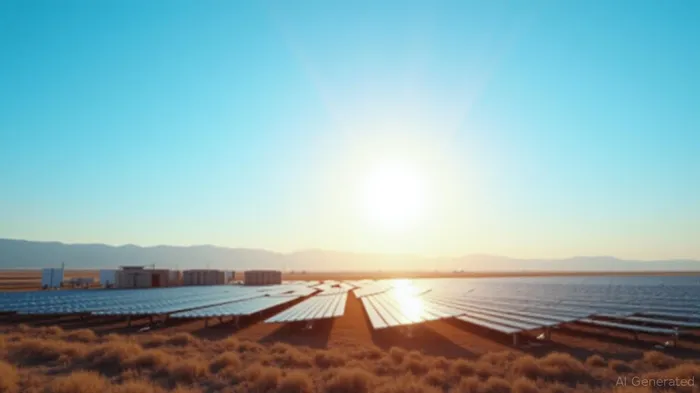
3. Policy Tailwinds: Clean Energy Mandates and Inflation Reduction Act (IRA) Credits
Oregon's Clean Energy Jobs Plan mandates 100% carbon-free electricity by 2040, creating regulatory certainty for renewables and grid projects. The IRA's tax credits for energy storage (up to 30%) and transmission investments further incentivize private capital deployment.
Equity-Driven Resilience: A New Investment Criterion
The longer recovery times in low-income neighborhoods underscore a growing demand for equitable grid investments. Investors should favor utilities and infrastructure funds that explicitly address social inequities in service delivery. For example, PGE's recent partnership with community groups to fast-track repairs in marginalized areas could set a precedent for socially conscious investing.
Risks and Considerations
While the sector's trajectory is bullish, risks remain. Extreme weather events could accelerate demand for upgrades faster than companies can scale, creating volatility in project timelines. Additionally, geopolitical tensions over critical minerals (e.g., lithium for batteries) may disrupt supply chains.
Conclusion: A Decade-Long Opportunity
The Portland outages are a wake-up call for investors to pivot toward grid resilience and renewable energy partnerships. Utilities like PGE, energy storage leaders such as Tesla, and policy-aligned projects like Seaside Battery Storage offer compelling entry points. With climate resilience now a core ESG criterion and federal incentives driving scale, this is a multi-year opportunity to profit from the transition to a smarter, cleaner grid.
Investors should:
- Buy utilities with rate-based recovery for grid projects.
- Overweight energy storage firms benefiting from IRA credits.
- Engage in policy advocacy to accelerate regulatory approvals for projects.
The path to grid resilience is clear—those who act now will capture the value of a more reliable, equitable energy future.

Stay ahead of the market.
Get curated U.S. market news, insights and key dates delivered to your inbox.
AInvest
PRO
AInvest
PRO



Comments
No comments yet