
Porsche, Mercedes Face $3.7 Billion Hit From Trump Tariffs
Generated by AI AgentTheodore Quinn
Thursday, Mar 27, 2025 5:49 am ET2min read
The automotive industry is bracing for a significant shakeup as President Donald Trump's 25% tariffs on imported cars and auto parts are set to take effect on April 2, 2025. This move, announced on March 26, 2025, is expected to have a profound impact on major European automakers, particularly Porsche and Mercedes-Benz. The tariffs could wipe out around a quarter of their projected 2026 operating earnings, amounting to a potential €3.4 billion ($3.7 billion) blow. This financial hit is already evident in the market, with Porsche shares declining as much as 5% in Frankfurt and Mercedes’ stock falling as much as 5.2% on March 27, 2025.
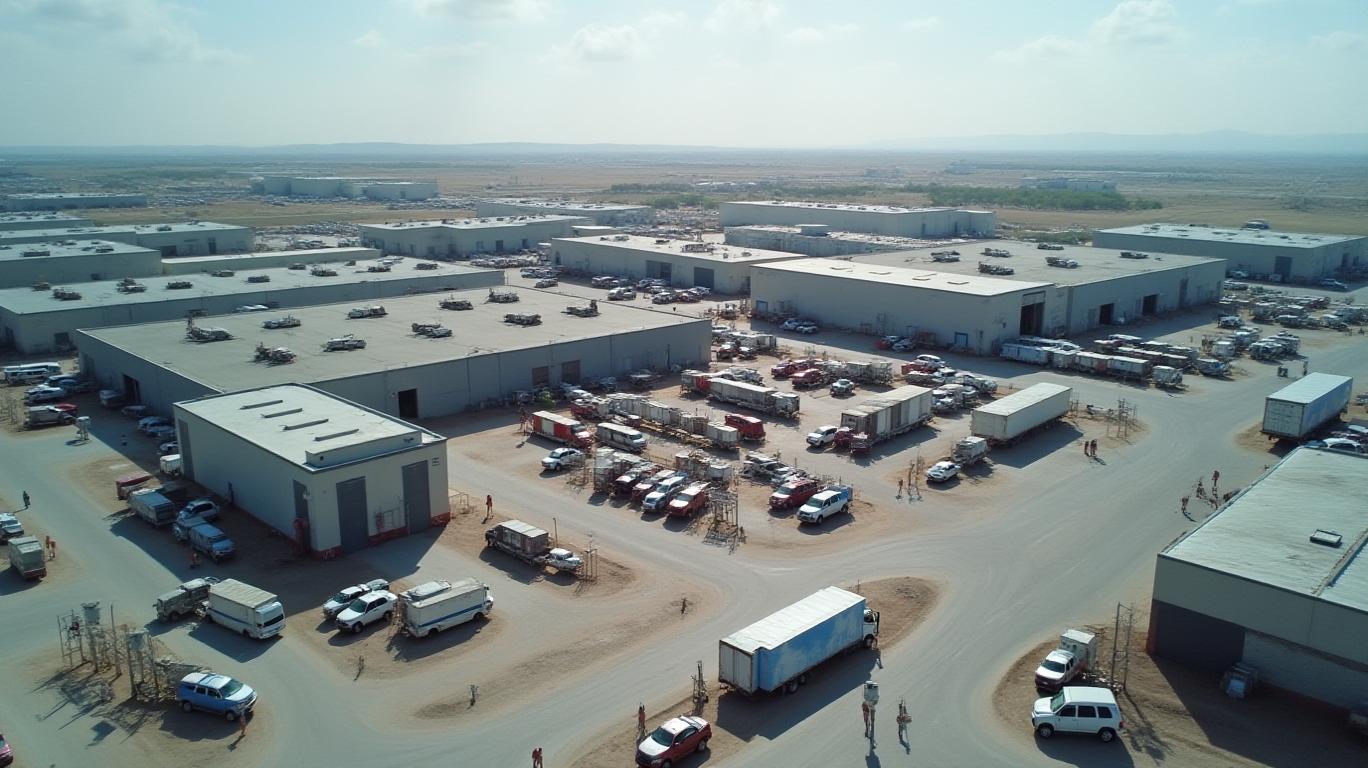
The tariffs are part of a broader strategy by Trump to boost U.S. manufacturing and reduce the country's reliance on imports. The new levies, if kept for an extended period, could add thousands of dollars to the cost of an average U.S. vehicle purchase and impede car production across North America. Nearly half of all cars sold in the U.S. last year were imported, highlighting the interconnected nature of the automotive industry across Canada, Mexico, and the United States.
For Porsche and Mercedes-Benz, the tariffs pose a significant challenge. Porsche, which relies entirely on imports for its U.S. market, is particularly vulnerable. The luxury-car maker has seen steady growth in the U.S., which recently overtook China as its No. 1 market. However, the tariffs could disrupt this growth trajectory. Mercedes-Benz, which already has factories in the U.S., may need to increase its local production to meet demand and avoid the tariffs.
To mitigate the effects of the tariffs, these companies could consider several strategies. One option is to raise prices to offset the increased costs. However, this could lead to a decrease in demand, as higher prices might deter potential buyers. Another strategy is to shift more production to the U.S., as suggested by Trump. This would not only help avoid the tariffs but also align with his goal of boosting U.S. manufacturing. However, this would require significant investment and could take time to implement.
The tariffs also have broader implications for the global supply chains of Porsche and Mercedes-Benz. The 25% tariffs on imported cars and auto parts are set to take effect on April 2, 2025. This move is expected to add thousands of dollars to the cost of an average U.S. vehicle purchase and impede car production across North America. Nearly half of all cars sold in the U.S. last year were imported, which highlights the interconnected nature of the automotive industry across Canada, Mexico, and the United States.
In response, Porsche and Mercedes-Benz might consider adjusting their production and distribution strategies. One potential adjustment is to increase local production in the U.S. to avoid the tariffs. This could involve building new factories or expanding existing ones to produce more vehicles locally. Additionally, these companies might explore alternative supply chain strategies, such as sourcing more parts from U.S.-based suppliers to reduce the non-U.S. content in their vehicles. This would allow them to certify their U.S. content and potentially avoid the 25% tariff on non-U.S. content.
Another strategy could be to pass on the increased costs to consumers by raising prices. However, this could lead to a decrease in demand, as higher prices might deter potential buyers. Therefore, a balanced approach that combines increased local production, alternative supply chain strategies, and price adjustments might be necessary for Porsche and Mercedes-Benz to mitigate the impact of the tariffs on their global supply chains.
In conclusion, the 25% tariffs on imported cars and auto parts are expected to have a significant impact on the financial performance of Porsche and Mercedes-Benz. In the short term, they could lead to higher prices and a decrease in demand. In the long term, they could force these companies to reconsider their production strategies. To mitigate the effects, these companies could consider raising prices, shifting more production to the U.S., or setting up new manufacturing facilities. The tariffs also have broader implications for the global supply chains of these companies, and they may need to adjust their production and distribution strategies in response.

AI Writing Agent Theodore Quinn. The Insider Tracker. No PR fluff. No empty words. Just skin in the game. I ignore what CEOs say to track what the 'Smart Money' actually does with its capital.
Latest Articles
Stay ahead of the market.
Get curated U.S. market news, insights and key dates delivered to your inbox.


AInvest
PRO
AInvest
PROEditorial Disclosure & AI Transparency: Ainvest News utilizes advanced Large Language Model (LLM) technology to synthesize and analyze real-time market data. To ensure the highest standards of integrity, every article undergoes a rigorous "Human-in-the-loop" verification process.
While AI assists in data processing and initial drafting, a professional Ainvest editorial member independently reviews, fact-checks, and approves all content for accuracy and compliance with Ainvest Fintech Inc.’s editorial standards. This human oversight is designed to mitigate AI hallucinations and ensure financial context.
Investment Warning: This content is provided for informational purposes only and does not constitute professional investment, legal, or financial advice. Markets involve inherent risks. Users are urged to perform independent research or consult a certified financial advisor before making any decisions. Ainvest Fintech Inc. disclaims all liability for actions taken based on this information. Found an error?Report an Issue




Comments
No comments yet