
Popeyes Franchisee Files Bankruptcy: What Investors Should Know About Sailormen Inc.
 Aime Summary
- Sailormen, Inc. filed for Chapter 11 bankruptcy on January 15, 2026, with liabilities estimated between $100 million and $500 million.
- The company, which operates 136 Popeyes locations across Florida and Georgia, cited macroeconomic factors including inflation, rising borrowing costs, and labor shortages as key contributors to its financial distress.
- A previous attempt to sell 16 underperforming restaurants failed, leaving the company with unresolved lease obligations and prompting BMO Bank to seek a receiver.
- Sailormen filed for bankruptcy to retain control of its operations and initiate a sales process to restructure its business.
- The filing includes emergency motions for access to cash collateral and cooperation from Popeyes and lenders to maintain stability during the restructuring.
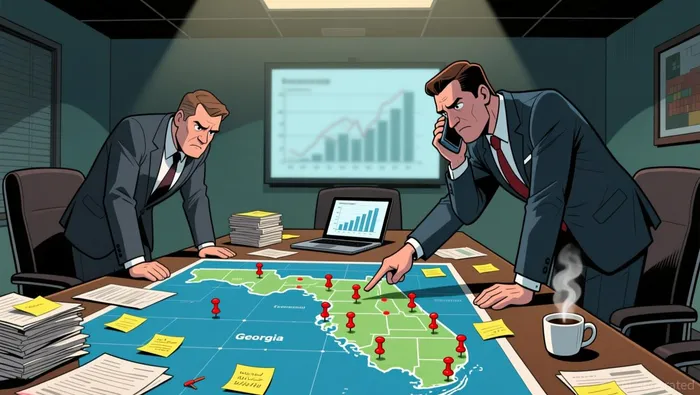
In a major development for the fast food sector, a key Popeyes franchisee has taken a dramatic step to restructure its operations. Sailormen, Inc., which operates over 130 Popeyes locations in Florida and Georgia, filed for Chapter 11 bankruptcy in the U.S. Bankruptcy Court for the Southern District of Florida. This move marks a significant event in the fast food industry and raises critical questions for investors about the broader health of the sector and how macroeconomic challenges are impacting even well-established operators.
The Chapter 11 filing allows the company to continue operating while it works to reorganize its financial obligations. According to court records and filings, Sailormen faces liabilities in the range of $100 million to $500 million and is seeking to manage its debts through a restructuring process that involves selling underperforming units and negotiating with creditors and lenders.
What Is the Status of Sailormen Inc. and Its Bankruptcy Filing?
Sailormen, Inc. has been a long-standing operator in the fast food industry, having been founded in 1984 and later focusing its operations on Florida and Georgia in 2012. The company's recent financial struggles can be attributed to a combination of external and internal pressures. External factors include rising inflation, increased borrowing costs, and the lingering effects of the pandemic on consumer behavior. Internally, Sailormen has faced challenges in restructuring its operations and managing lease guarantees after failed attempts to sell 16 underperforming locations.
The company's financial distress also escalated after it defaulted on loan terms, prompting BMO Bank NA to take legal action. BMO filed for a receiver to manage the company’s assets, but Sailormen chose to file for Chapter 11 to retain operational control. The Chapter 11 filing allows Sailormen to continue running its 136 Popeyes locations while it works to sell some units and renegotiate with creditors. This process will also involve coordination with Popeyes and lenders to maintain stability during the restructuring.
Why Is This a Concern for Fast Food Investors and Retail Investors?
Sailormen’s bankruptcy filing is more than just an isolated case—it signals broader challenges facing the fast food industry. For investors, this development highlights the fragility of franchise operations when confronted with macroeconomic headwinds like inflation, rising interest rates, and shifting consumer preferences. Fast food chains are highly sensitive to changes in the cost of labor, ingredients, and real estate, all of which have been volatile in recent years.
Moreover, this case underscores the risks associated with heavy debt loads in franchise operations. Sailormen, like many other fast food operators, had taken on significant financing to maintain and expand its locations. However, with borrowing costs rising sharply since 2022, many operators have struggled to service their debt. Sailormen’s situation is a reminder of how quickly financial pressures can escalate when cash flow and profitability falter.
Retail investors may also find this story relevant because it illustrates how even major brands like Popeyes are not immune to operational and financial issues among their franchisees. While Popeyes itself has not filed for bankruptcy, it has seen declining same-store sales in recent quarters. The broader fast food industry is also grappling with competition from other chicken concepts and shifting consumer expectations for customization and experience-driven dining.
What Are the Next Steps for Sailormen and the Fast Food Industry?
The immediate next steps for Sailormen include finalizing its restructuring plan and securing court approval for its emergency motions. These motions include requests for continued access to cash collateral and the ability to maintain its bank accounts while it works to sell underperforming units. The company will also need to continue engaging with Popeyes and its lenders to ensure a smooth restructuring process that preserves as much business value as possible.
In the broader context, this case may prompt other fast food franchisees to evaluate their own financial positions and consider proactive measures to manage debt and operational costs. Investors should watch for any ripple effects in the market, including how Popeyes and other fast food brands respond to the challenges their franchisees are facing. This could include changes in franchise agreements, support programs, or even shifts in brand strategy to adapt to the changing economic landscape.
Ultimately, the Sailormen bankruptcy filing is a cautionary tale about the risks of overleveraging in the fast food industry, particularly during periods of macroeconomic volatility. For investors, the key takeaway is to remain vigilant about the financial health of both brand operators and their franchisees, as both play a crucial role in the long-term success of the fast food sector.

Stay ahead of the market.
Get curated U.S. market news, insights and key dates delivered to your inbox.


AInvest
PRO
AInvest
PRO



Comments
No comments yet