
Pop Culture (PCL) Plunges 18.57% as Regulatory Crackdowns and Macroeconomic Jitters Weigh
 Aime Summary
Shares of Pop CultureCPOP-- plunged 18.5666% in pre-market trading on November 19, 2025, signaling a sharp reversal in investor sentiment. The steep decline followed a series of regulatory actions targeting digital content platforms and heightened macroeconomic uncertainty, which amplified selling pressure across the sector.
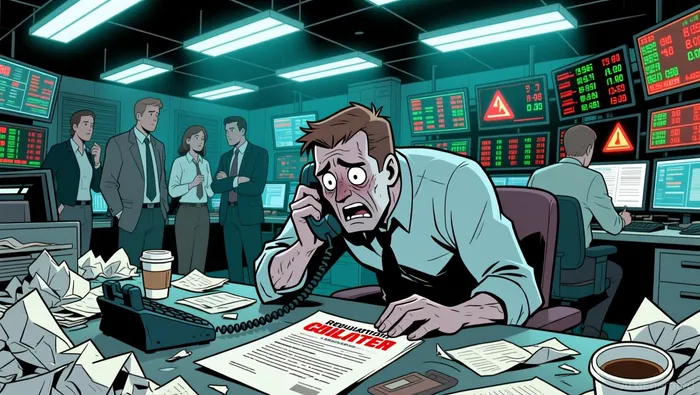
Analysts attributed the selloff to a combination of short-term profit-taking and broader concerns over evolving content moderation policies. The stock’s technical indicators suggest a breakdown below key support levels, raising questions about near-term stability. However, long-term fundamentals remain tied to the company’s ability to adapt its business model to regulatory shifts.
While no earnings or earnings guidance was released, the move underscores the sector’s sensitivity to policy-driven volatility. Institutional positioning and derivative activity suggest mixed positioning, with some traders hedging against further downside risks while others see potential for a rebound in early 2026.
Backtesting strategies focusing on mean reversion and trend-following models could offer insights into potential recovery scenarios. A hypothetical 50-day moving average crossover approach, combined with volume-weighted stop-loss parameters, might align with current price action dynamics. However, execution risks remain elevated due to liquidity constraints.

Get the scoop on pre-market movers and shakers in the US stock market.
Latest Articles
Stay ahead of the market.
Get curated U.S. market news, insights and key dates delivered to your inbox.
AInvest
PRO
AInvest
PRO



Comments
No comments yet