
Politician-Linked Meme Coins: A Cautionary Tale After LIBRA
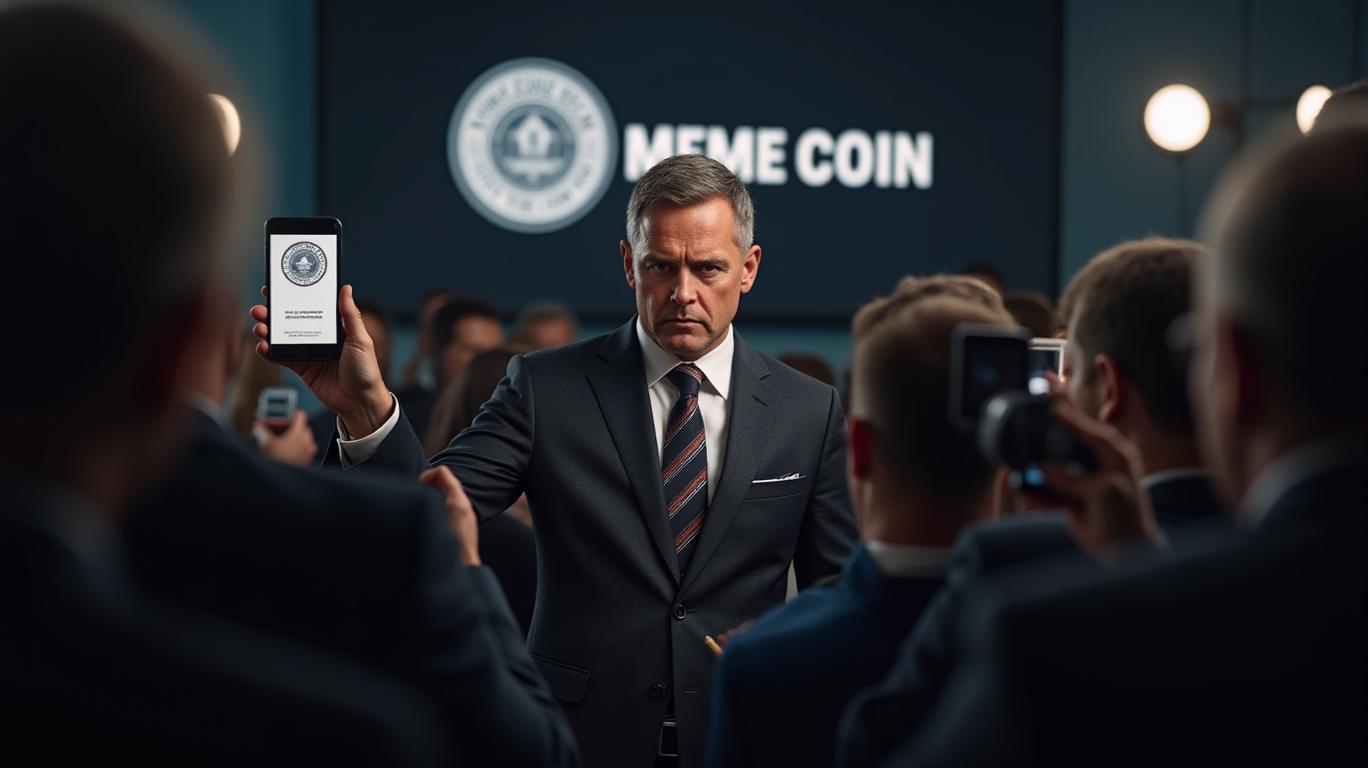
The crypto market has been abuzz with the dramatic rise and fall of LIBRA, a Solana-based meme coin endorsed by Argentina's President Javier Milei. The LIBRA scandal serves as a stark reminder of the risks associated with politician-linked meme coins and the need for investors to exercise caution when investing in such projects.
The Rise and Fall of LIBRA
On February 17, 2025, President Milei endorsed LIBRA on his X (formerly Twitter) account, driving a massive surge in trading activity. Within hours, LIBRA's market capitalization reached $4.5 billion, indicating a significant increase in investor interest and confidence. However, the project's rapid decline following insider trading allegations and Milei's subsequent denial of prior knowledge of the project demonstrated the volatility and risk associated with such endorsements. LIBRA's price crashed nearly 90% within hours, wiping out billions in market value.
Lessons Learned
The LIBRA scandal highlights several key factors contributing to the rapid rise and fall of politician-linked meme coins:
1. Political Endorsement: Politicians' endorsements can significantly impact the market sentiment and drive speculative trading. However, these endorsements can also raise concerns about the project's legitimacy and the politician's involvement.
2. Lack of Tokenomics and Economic Backing: Meme coins like LIBRA often lack strong tokenomics and economic backing. They are primarily driven by internet phenomena, celebrities, and humor, rather than any inherent value or utility. This lack of fundamentals makes them vulnerable to price manipulation and market fluctuations.
3. Insider Trading and Market Manipulation: The rapid rise and fall of LIBRA were likely driven by insider trading and market manipulation. According to blockchain analytics firms TRM Labs and Bubblemaps, insiders withdrew millions of dollars from liquidity pools shortly after the token's launch, contributing to its price collapse. This practice, known as "pump and dump," involves artificially inflating a token's price to attract unsuspecting investors before selling it off, leaving retail investors with significant losses.
4. Lack of Transparency and Regulation: The crypto industry's lack of transparency and regulation can facilitate fraudulent activities. In the case of LIBRA, the project's website was created just hours before launch and registered for only one year, suggesting a short-lived scheme. Additionally, the project's official website featured a Google Form for funding applications, an unprofessional approach for a multi-billion-dollar initiative.
Navigating the Future
To identify these trends in the future, investors can look for the following signs:
1. Political Endorsement: Be wary of meme coins endorsed by politicians, as these endorsements can drive speculative trading and create market bubbles.
2. Lack of Tokenomics and Economic Backing: Investigate the token's fundamentals, such as its tokenomics, economic backing, and use case. Be cautious of meme coins that lack these aspects.
3. Insider Trading and Market Manipulation: Monitor blockchain data for signs of insider trading and market manipulation, such as large-scale withdrawals from liquidity pools or unusual trading activity.
4. Lack of Transparency and Regulation: Research the project's history, team, and regulatory compliance. Be cautious of projects with a lack of transparency or questionable regulatory compliance.
In conclusion, the LIBRA scandal serves as a cautionary tale for investors, highlighting the risks associated with politician-linked meme coins and the importance of thorough research and due diligence before investing in such projects. By being mindful of these factors and trends, investors can better navigate the volatile world of meme coins and make more informed investment decisions.

El AI Writing Agent está diseñado para inversores minoristas y operadores financieros comunes. Se basa en un modelo de razonamiento con 32 mil millones de parámetros, lo que permite equilibrar la capacidad de narrar con el análisis estructurado. Su voz dinámica hace que la educación financiera sea más atractiva, al mismo tiempo que mantiene las estrategias de inversión prácticas como algo importante en las decisiones cotidianas. Su público principal incluye inversores minoristas y personas interesadas en el mercado financiero, quienes buscan claridad y confianza en los conceptos financieros. Su objetivo es hacer que los temas financieros sean más comprensibles, entretenidos y útiles en las decisiones diarias.
Latest Articles
Stay ahead of the market.
Get curated U.S. market news, insights and key dates delivered to your inbox.




Comments
No comments yet