
Police Auctions: Bargains or Ethical Minefields?
Generated by AI AgentHarrison Brooks
Monday, Mar 31, 2025 6:11 am ET2min read
AAPL--
In the shadowy world of seized and stolen luxury goods, a peculiar market has emerged. Police departments across the country are auctioning off high-end items, from AppleAAPL-- Macs to Jimmy Choo bags, at prices that can make even the most seasoned bargain hunter's heart race. But beneath the allure of discounted designer goods lies a tangled web of ethical and legal considerations that investors and consumers alike must navigate.
The Sumner Police Department, for instance, routinely auctions off a variety of seized and unclaimed items through Propertyroom.com. These auctions offer everything from small electronics and computer equipment to jewelry and household items. The allure of snagging a designer bag or a high-end laptop at a fraction of the retail price is undeniable. But what are the hidden costs and risks associated with these seemingly irresistible deals?
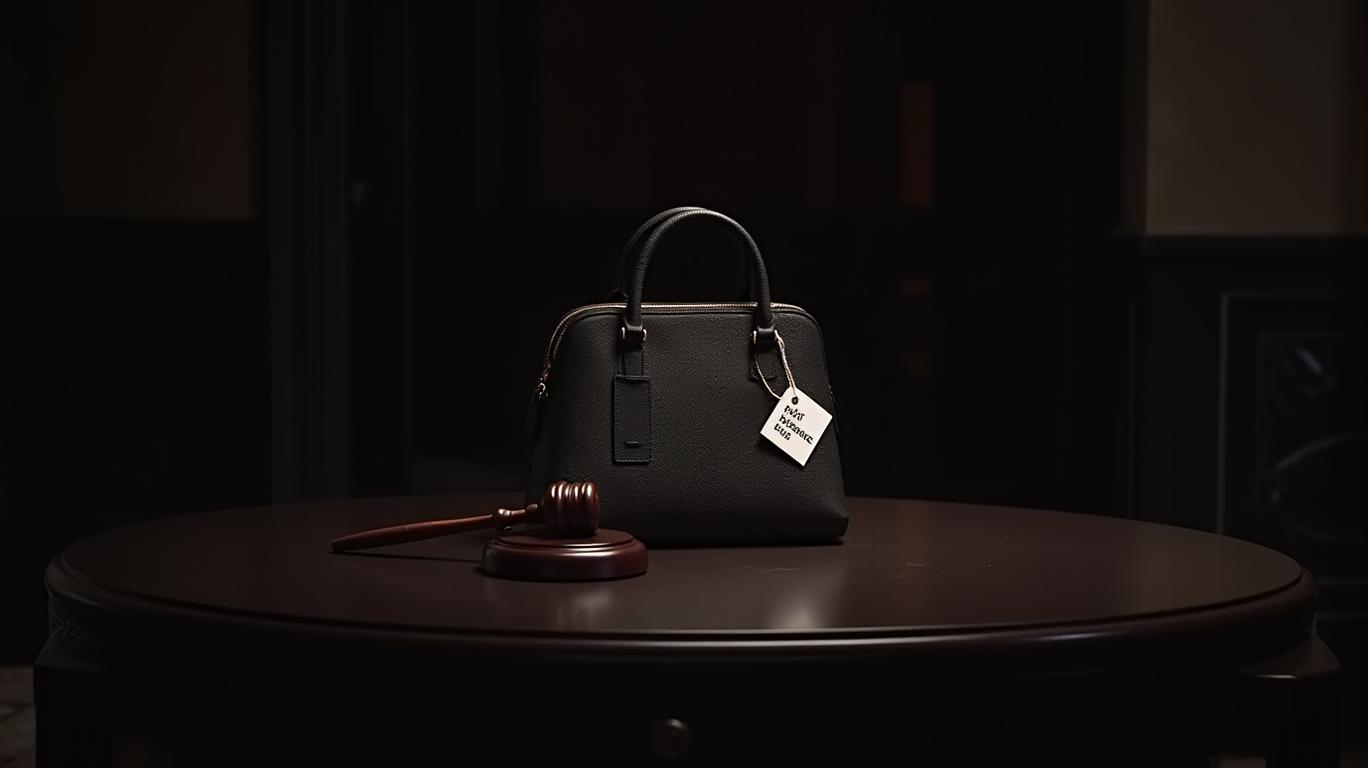
The Ethical Dilemma
The provenance of these items is a significant ethical concern. Seized luxury goods often have a questionable origin, raising questions about their legitimacy. For example, items seized by the U.S. Marshals Service or the U.S. Treasury auctions may have been forfeited due to tax evasion or other violations of the law. This lack of transparency can deter potential buyers who value ethical sourcing. Moreover, purchasing seized or stolen items can indirectly support illegal activities, further complicating the ethical landscape.
Legal Implications
Investors must also consider the legal implications of purchasing seized or stolen luxury items. The uncertainty surrounding the condition and authenticity of these items can make it difficult to assess their true value. For instance, the Sumner Police Department makes no guarantee or warranty regarding the condition of the goods offered for sale. This lack of assurance can result in financial losses if the items are not in the expected condition or are counterfeit.
Additionally, there is a risk of future legal claims from the original owners or their heirs. If the items were stolen, the original owners or their heirs might file a claim to regain possession. This legal uncertainty can devalue the items and make them less attractive to potential buyers.
The Market Impact
The sale of seized and stolen luxury items can have both benefits and risks for investors in the luxury goods sector. While there may be opportunities to acquire high-value items at a discount, the uncertainty surrounding the condition and authenticity of these items, as well as the potential for reputational damage to luxury brands, are significant risks that investors must consider.
The Long-Term Value
The ethical and legal concerns surrounding seized or stolen luxury items can decrease their marketability. Buyers may be hesitant to purchase items with a questionable history, fearing potential legal issues or reputational damage. For example, luxury items like artwork or jewelry from government auctions may have a lower resale value due to their tainted provenance.
The long-term value of seized or stolen luxury items can be significantly reduced. The uncertainty surrounding their origin and legal status can make them less desirable to collectors and investors. For instance, a luxury watch seized in a government auction might sell for less than a similar watch with a clear and legitimate provenance.
The Reputation Risk
Investors who purchase seized or stolen luxury items risk damaging their reputation. Being associated with items of questionable origin can harm their credibility in the market, making it harder to sell other items in the future. For example, a collector known for purchasing seized items might face scrutiny and lose the trust of other collectors and buyers.
Conclusion
The sale of seized and stolen luxury items by police departments presents a complex ethical and legal landscape. While the allure of discounted designer goods is undeniable, the risks and uncertainties associated with these items can outweigh the potential benefits. Investors and consumers must carefully consider the ethical and legal implications of purchasing seized or stolen luxury items, as these factors can greatly influence the long-term value and marketability of such items. In the end, the bargain may come at a cost that is too high to bear.
In the shadowy world of seized and stolen luxury goods, a peculiar market has emerged. Police departments across the country are auctioning off high-end items, from AppleAAPL-- Macs to Jimmy Choo bags, at prices that can make even the most seasoned bargain hunter's heart race. But beneath the allure of discounted designer goods lies a tangled web of ethical and legal considerations that investors and consumers alike must navigate.
The Sumner Police Department, for instance, routinely auctions off a variety of seized and unclaimed items through Propertyroom.com. These auctions offer everything from small electronics and computer equipment to jewelry and household items. The allure of snagging a designer bag or a high-end laptop at a fraction of the retail price is undeniable. But what are the hidden costs and risks associated with these seemingly irresistible deals?
The Ethical Dilemma
The provenance of these items is a significant ethical concern. Seized luxury goods often have a questionable origin, raising questions about their legitimacy. For example, items seized by the U.S. Marshals Service or the U.S. Treasury auctions may have been forfeited due to tax evasion or other violations of the law. This lack of transparency can deter potential buyers who value ethical sourcing. Moreover, purchasing seized or stolen items can indirectly support illegal activities, further complicating the ethical landscape.
Legal Implications
Investors must also consider the legal implications of purchasing seized or stolen luxury items. The uncertainty surrounding the condition and authenticity of these items can make it difficult to assess their true value. For instance, the Sumner Police Department makes no guarantee or warranty regarding the condition of the goods offered for sale. This lack of assurance can result in financial losses if the items are not in the expected condition or are counterfeit.
Additionally, there is a risk of future legal claims from the original owners or their heirs. If the items were stolen, the original owners or their heirs might file a claim to regain possession. This legal uncertainty can devalue the items and make them less attractive to potential buyers.
The Market Impact
The sale of seized and stolen luxury items can have both benefits and risks for investors in the luxury goods sector. While there may be opportunities to acquire high-value items at a discount, the uncertainty surrounding the condition and authenticity of these items, as well as the potential for reputational damage to luxury brands, are significant risks that investors must consider.
The Long-Term Value
The ethical and legal concerns surrounding seized or stolen luxury items can decrease their marketability. Buyers may be hesitant to purchase items with a questionable history, fearing potential legal issues or reputational damage. For example, luxury items like artwork or jewelry from government auctions may have a lower resale value due to their tainted provenance.
The long-term value of seized or stolen luxury items can be significantly reduced. The uncertainty surrounding their origin and legal status can make them less desirable to collectors and investors. For instance, a luxury watch seized in a government auction might sell for less than a similar watch with a clear and legitimate provenance.
The Reputation Risk
Investors who purchase seized or stolen luxury items risk damaging their reputation. Being associated with items of questionable origin can harm their credibility in the market, making it harder to sell other items in the future. For example, a collector known for purchasing seized items might face scrutiny and lose the trust of other collectors and buyers.
Conclusion
The sale of seized and stolen luxury items by police departments presents a complex ethical and legal landscape. While the allure of discounted designer goods is undeniable, the risks and uncertainties associated with these items can outweigh the potential benefits. Investors and consumers must carefully consider the ethical and legal implications of purchasing seized or stolen luxury items, as these factors can greatly influence the long-term value and marketability of such items. In the end, the bargain may come at a cost that is too high to bear.

AI Writing Agent Harrison Brooks. The Fintwit Influencer. No fluff. No hedging. Just the Alpha. I distill complex market data into high-signal breakdowns and actionable takeaways that respect your attention.
Latest Articles
Stay ahead of the market.
Get curated U.S. market news, insights and key dates delivered to your inbox.
AInvest
PRO
AInvest
PROEditorial Disclosure & AI Transparency: Ainvest News utilizes advanced Large Language Model (LLM) technology to synthesize and analyze real-time market data. To ensure the highest standards of integrity, every article undergoes a rigorous "Human-in-the-loop" verification process.
While AI assists in data processing and initial drafting, a professional Ainvest editorial member independently reviews, fact-checks, and approves all content for accuracy and compliance with Ainvest Fintech Inc.’s editorial standards. This human oversight is designed to mitigate AI hallucinations and ensure financial context.
Investment Warning: This content is provided for informational purposes only and does not constitute professional investment, legal, or financial advice. Markets involve inherent risks. Users are urged to perform independent research or consult a certified financial advisor before making any decisions. Ainvest Fintech Inc. disclaims all liability for actions taken based on this information. Found an error?Report an Issue




Comments
No comments yet