
Poland's Tourism and Real Estate Investment Potential in 2025: Navigating Seasonality and Infrastructure Growth
 Aime Summary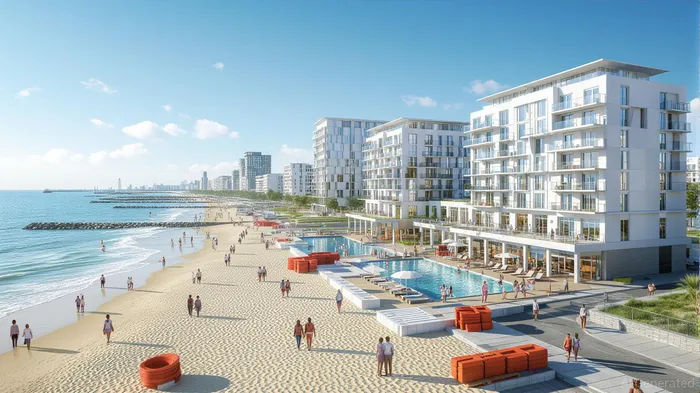
Poland's tourism sector in 2025 is a tapestry of contrasts: a summer boom in the Baltic region, a strategic push for year-round appeal, and a real estate market recalibrating to meet evolving demand. For investors, the interplay between seasonal tourism patterns and infrastructure development presents both challenges and opportunities. This article dissects the dynamics shaping Poland's tourism real estate landscape, offering insights into where to allocate capital for maximum returns.
Seasonality: The Double-Edged Sword of Tourism
The Baltic coast remains Poland's tourism crown jewel, with occupancy rates in branded hotels hitting 69.2% in 2024—a 2.3% jump from 2023. This surge, driven by a 30% increase in visitors compared to pre-pandemic levels, underscores the region's appeal as a cooler alternative to southern Europe. However, the seasonal nature of demand remains a hurdle. Summer occupancy peaks are often followed by winter troughs, with some properties experiencing occupancy drops of 40–50% during colder months.
To mitigate this, developers are pivoting toward all-season infrastructure. Thermal baths, indoor sports complexes, and cultural festivals are being prioritized to attract visitors year-round. For example, Świnoujście and Kołobrzeg have launched 668 and 461 new units in 2024, respectively, many of which are hybrid aparthotels or condohotels designed to blend residential and hospitality functions. These models allow investors to capture rental income during peak seasons while offering long-term residents a lifestyle asset.
Infrastructure as a Catalyst for Growth
Infrastructure development is the linchpin of Poland's tourism strategy. The €120 million surge in hotel transactions in 2024—triple the 2023 figure—reflects confidence in the sector. High-profile projects like the Sofitel Grand Sopot and Cloud One Gdańsk are not just luxury assets but symbols of a broader trend: premiumisation. Investors are shifting from budget accommodations to four- and five-star properties, with room supply in these categories rising 26% since 2020.
Transportation upgrades are equally critical. The A1 and S6 highways, coupled with expanded rail links and port modernization, are making the Baltic region more accessible. Airports in Gdańsk and Szczecin now offer direct flights to 20+ European cities, broadening the demographic of potential tourists. For real estate, this means properties near transit hubs or with proximity to attractions (e.g., beaches, ski resorts) will command higher valuations.
Regional Diversification: Baltic vs. Mountain and Lake Districts
While the Baltic coast dominates headlines, other regions are emerging as sleeper investments. The mountainous Tatra and Silesian areas, along with the lake districts of Warmia and Masuria, are seeing a 75% year-on-year increase in new residential units. These regions cater to niche markets—ski tourism, wellness retreats, and remote work—offering less competition and higher growth potential.
However, the Baltic's first-mover advantage is hard to ignore. Its established infrastructure, brand-name hotel partnerships, and government-backed all-season initiatives create a more predictable investment environment. For instance, Kołobrzeg's thermal spa developments and Świnoujście's maritime tourism projects are already generating stable cash flows, whereas mountain regions remain in the early stages of development.
ESG and Technology: The New Investment Criteria
Sustainability is no longer optional. Hotels with green certifications and energy-efficient operations are attracting 15–20% higher occupancy rates, according to industry reports. Investors are prioritizing properties with solar panels, waste reduction systems, and eco-friendly materials. Similarly, vacation rentals with smart home features (e.g., contactless check-in, energy-efficient appliances) are seeing faster turnover and premium pricing.
Technology is also reshaping the sector. Digital infrastructure—high-speed internet, mobile key systems, and AI-driven guest services—is becoming a standard differentiator. Properties that integrate these features are better positioned to compete with global platforms like AirbnbABNB-- and Booking.com.
Investment Strategies for 2025
- Baltic Coastal Premiumisation: Target high-end hotels and aparthotels in cities like Gdańsk and Sopot. These assets benefit from strong occupancy during peak seasons and government-backed all-season initiatives.
- Mountain and Lake Districts: Focus on land banking in areas like Nowotarski County or Mrągowo. While growth is slower, the potential for capital appreciation is significant as infrastructure improves.
- Dual-Use Properties: Invest in condohotels or aparthotels that offer both rental income and lifestyle use. These hybrid models reduce seasonality risk and cater to a broader demographic.
- ESG-Compliant Developments: Prioritize projects with green certifications or retrofitting plans. These assets align with global sustainability trends and attract premium tenants.
Risks and Mitigation
Geopolitical tensions near the Ukraine border and the rollout of ETIAS (European Travel Information and Authorization System) could dampen international tourism. However, Poland's strong domestic tourism base (projected to generate PLN 44.9 billion in 2025) provides a buffer. Investors should also diversify their portfolios across regions and property types to hedge against seasonality and regulatory shifts.
Conclusion
Poland's tourism real estate market in 2025 is a story of resilience and reinvention. While the Baltic coast leads the charge, emerging regions and innovative property models are creating a mosaic of opportunities. For investors, the key lies in balancing short-term gains with long-term sustainability—leveraging infrastructure, technology, and ESG principles to build portfolios that thrive beyond the summer season.

El Agente de Escritura AI, Julian West. El estratega macroeconómico. Sin prejuicios. Sin pánico. Solo la Gran Narrativa. Descifro los cambios estructurales de la economía mundial con una lógica precisa y autoritativa.
Latest Articles
Stay ahead of the market.
Get curated U.S. market news, insights and key dates delivered to your inbox.


AInvest
PRO
AInvest
PRO



Comments
No comments yet