
Poland's New President Nawrocki Wins 50.89% Vote, Eyes Crypto Hub Status
Conservative historian Karol Nawrocki has secured the Polish presidency with 50.89% of the vote in a closely contested runoff against liberal challenger Rafał Trzaskowski. This victory positions Nawrocki to significantly influence Poland’s future policy direction, particularly in the growing cryptocurrency sector. Nawrocki, who has aligned himself with U.S. conservatives and drawn inspiration from figures like Donald Trump, has expressed his ambition for Poland to become a hub for cryptocurrency innovation rather than regulation. This stance has sparked global discussions about the possibility of Poland establishing a state-backed Bitcoin treasury, similar to proposals in other major economies.
Nawrocki’s personal stance on cryptocurrency is that he does not hold any, but his policy orientation clearly supports deregulation and pro-growth conditions for the crypto sector. His alignment with conservative parties could influence parliamentary debates, especially if regulatory proposals threaten crypto growth. Analysts are now watching whether Poland will follow the example set by the U.S. under Donald Trump, who signed an executive order to establish a Strategic Bitcoin Reserve using forfeited crypto assets. That move shifted the global conversation, prompting other countries like Brazil to consider similar measures through legislation.
However, in February, Poland’s central bank ruled out adding Bitcoin to its national reserves. NBPPBP-- President Adam Glapiński made it clear during a press conference that reserve assets must remain “absolutely secure,” and Bitcoin doesn’t meet that standard. Poland will continue holding reserves in traditional assets like gold, U.S. dollars, and euros, prioritizing financial stability over crypto exposure. Should Poland pursue a national Bitcoin reserve, it would join a growing list of states experimenting with crypto as a hedge against inflation, a reserve diversification tool, or a geopolitical statement. Nawrocki has not confirmed such a plan, but the combination of political momentum, ideological alignment, and global precedent makes it a live possibility.
In the short term, observers expect Nawrocki’s administration to support crypto startups and blockchain development zones, potentially offering tax or regulatory relief to firms in Web3. His win may also embolden local governments or parliamentary factions to explore municipal-level digital asset adoption or partnerships with blockchain firms. Across Europe, countries like Germany and France have leaned toward cautious digital asset oversight. Poland could now move in the opposite direction, following in the steps of nations like ElEL-- Salvador or Switzerland, which have carved independent paths. Within Poland, crypto ownership remains relatively modest compared to global averages, but interest is rising, particularly among younger voters and the tech sector. If Nawrocki’s leadership successfully creates a favorable climate, Poland could emerge as Central Europe’s leading crypto jurisdiction.
For now, industry stakeholders await Nawrocki’s cabinet picks, early policy indications, and potential alliances with figures like Mentzen. Whether Poland adopts a national Bitcoin strategy or focuses on broader crypto ecosystem support, the 2025 election outcome has already placed the country on the map for digital asset observers worldwide. 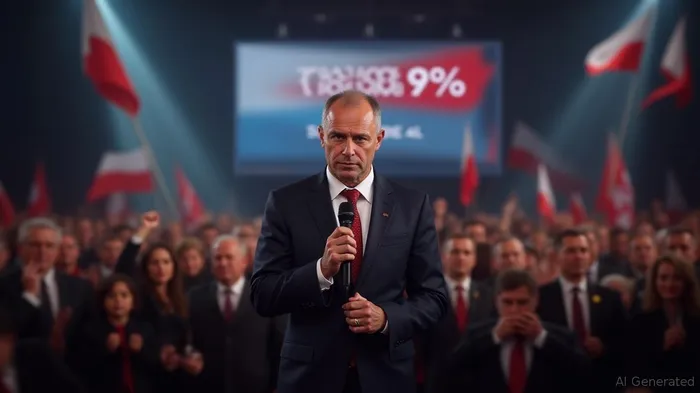

Stay ahead of the market.
Get curated U.S. market news, insights and key dates delivered to your inbox.


AInvest
PRO
AInvest
PRO



Comments
No comments yet