
POL (ex-MATIC) Gas Fees and Staking Activity Drive Investor Interest
 Aime Summary
Polygon's gas fees remain among the most affordable in the blockchain industry, with typical costs between $0.001 and $0.01 per transaction, enabling frequent transfers without high expenses according to Polygon's documentation.
Users can choose between Eco, Fast, and Fastest modes to optimize transaction speed and cost, depending on network demand and urgency.
To process transactions, a minimum balance of POL is required, ensuring network activity remains functional even during high-demand events according to the source.
How Do POL (ex-MATIC) Gas Fees Compare to Other Chains?
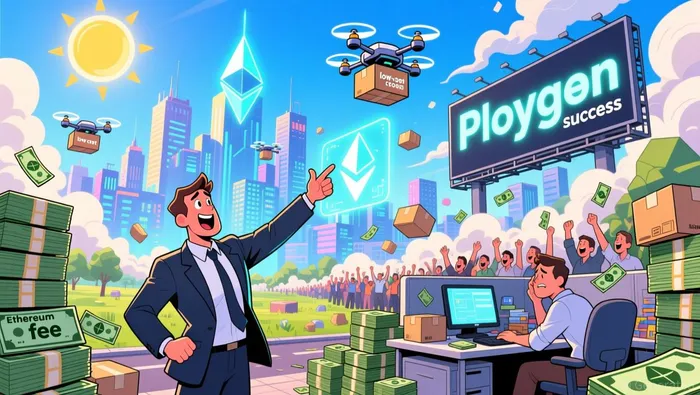
Polygon's gas fees are significantly lower than those of EthereumETH-- and other major blockchains, making it an attractive option for users prioritizing cost efficiency according to Polygon analysis. The gas price is measured in Gwei (units of POL), and a single 0.01 POL can cover approximately 20 standard transactions at typical gas prices as detailed in the guide. However, fees can spike during high-activity events, such as NFT launches or DeFi transactions, reaching as high as 7,000 Gwei during surges according to network data.
What Is GCOIN Staking and Why Is It Important?
GCOIN Staking, launched by Playnance, allows token holders to lock their tokens in exchange for rewards tied to ecosystem activity, promoting long-term participation and reducing circulating supply according to the announcement. Within hours of its launch, over 250 million GCOIN tokens were locked by community members, signaling strong interest in the program as reported. Staking offers multiple lock durations, including six, nine, twelve, and eighteen months, with longer periods yielding higher reward weights according to the details.
What Are the Implications for Investors and Users?
The affordability of Polygon's gas fees positions it as a practical solution for frequent blockchain users, especially those engaging in token transfers, DeFi, or NFT activities according to the analysis. Meanwhile, the introduction of GCOIN Staking represents a new avenue for token holders to earn rewards while contributing to the ecosystem's growth as highlighted in the article. These developments highlight the broader trend of blockchain platforms incentivizing participation through low costs and reward mechanisms, which could influence investor sentiment and usage patterns in the broader digital assets market according to market research.

Blending traditional trading wisdom with cutting-edge cryptocurrency insights.
Latest Articles
Stay ahead of the market.
Get curated U.S. market news, insights and key dates delivered to your inbox.


AInvest
PRO
AInvest
PRO



Comments
No comments yet