
The "Plug" Was Pulled: Analyzing the CME Trading Freeze and the Looming Silver Delivery Crisis
 Aime Summary
By Rodder Shi Market Analyst | Financial Engineering (UCLA) | IAQF Quantitative Research Award Winner
Executive Summary
On February 27, 2026, at approximately 1:00 PM EST, the Chicago Mercantile Exchange (CME) "pulled the plug," suspending all trading for metal and natural gas contracts due to an alleged "technical issue." While the exchange cited technical glitches, a forensic look at the data during that half-hour freeze reveals a much more calculated reality: a massive, forced settlement of silver contracts designed to prevent a physical delivery default.
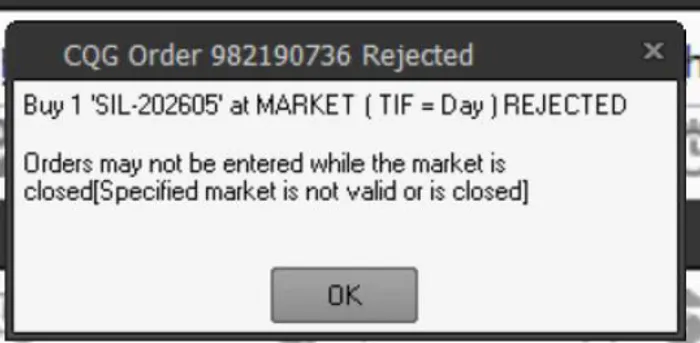
I. The 30-Minute "Black Box": What the Data Reveals
Numbers do not lie. During the period when retail traders were locked out of the Globex system, institutional activity surged behind the scenes. Our analysis of the volume data shows:
31,828 contracts (~159 million ounces of silver) were "miraculously" processed during the freeze.
11,755 contracts were liquidated (58.77 million ounces).
5,306 contracts (26.53 million ounces) were settled in cash rather than physical metal.
As a result, the COMEX registered silver inventory plummeted by another 2 million ounces, leaving only 87 million ounces in the vault. We are witnessing a systemic drain of physical liquidity.
II. The "Casino" Mechanics: Who Controls the Board?
To understand why this happened, we must look at the ownership structure. The NYMEX (a division of CME) is the global electronic hub for precious metals. The CME's major shareholders include Vanguard, BlackRock, and JPMorgan Chase.
Notably, JPMorgan acts as the largest market maker for silver derivatives. In essence, the house is playing at its own tables. Historically, JPM's strategy has been consistent:
- Leverage: The ratio of paper silver to physical silver is approximately 300:1.
- The Flush: When long buy orders surge, they drive prices up, then use massive short positions to hammer the price down.
- The Margin Call: High leverage means a sharp drop triggers forced liquidations for long positions, allowing the "house" to buy back shorts at a massive profit.
III. Three Ways the Exchange Avoids Default
When "Strong Longs" (buyers who actually want the metal) demand physical delivery, the exchange employs three defensive maneuvers:
1. The Bureaucratic Grind (For Industrial Users)
Smaller industrial players are met with "administrative friction." From endless paperwork to exorbitant "out-of-warehouse" fees and logistics delays, the exchange makes physical acquisition so expensive and exhausting that many firms simply give up.
2. The Cash Pay-off (For ETFs and Hedge Funds)
For institutional investors, the exchange offers Private Cash Settlements or "Off-Exchange Settlements."
The Incentive: The exchange offers a premium over the spot price to settle in cash.
The Roll-over: If the fund refuses cash, they are pressured to roll the contract to a future date, often involving high-interest "borrowing" of silver bars from other sources. In November, this borrowing rate hit 40% APY; it currently sits around 8%, signaling extreme physical tightness.
3. The "Power Plea" (For the Super-Whales)
In rare cases where a titan like Warren Buffett (who famously bought 130 million ounces in 1997) demands delivery, the "big guns" are called in to plead for mercy. In 1997, it reportedly took the heads of the Exchange and Goldman Sachs to convince Buffett to exit his position to avoid breaking the market.
IV. The Consequences: A Broken Price Discovery Mechanism
What happens when an exchange "cheats"?
- The Basis Disconnect: The electronic "paper" price is now significantly lower than the actual physical "spot" price. In markets like Shuibei (China), silver premiums are currently 15% to 20% above the COMEX price.
- Hedge Abandonment: Miners are beginning to ignore COMEX prices for their actual output sales. If a futures market cannot guarantee delivery at the quoted price, it ceases to be a hedging tool and becomes a pure gambling hall.
About the Author
Rodder Shi is a market analyst specializing in U.S. equities and prediction markets. He holds a Master's in Financial Engineering from UCLA and dual degrees from UC San Diego. With a background at CICC and Rayliant, and as an IAQF award winner, he brings six years of data-driven rigor to equity and options analysis. Follow his latest insights on AInvest News.
Would you like Aime to perform a technical backtest on the post-freeze price action from the November incident to see if a similar pattern is emerging?

Rodder Shi is a market analyst covering U.S. stocks and prediction markets. He holds a Master’s degree in Financial Engineering from UCLA and dual degrees from UC San Diego, with research experience at CICC and Rayliant. An IAQF quantitative research award winner, he has over six years of equity and options investing experience focused on data-driven and risk-aware market analysis.
Latest Articles
Stay ahead of the market.
Get curated U.S. market news, insights and key dates delivered to your inbox.
AInvest
PRO
AInvest
PRO



Comments
No comments yet