
Playing Silver in 2026: A Historical Playbook for Safer Entry
 Aime Summary
Silver is flashing a clear signal. At $111.71 per ounce this morning, the metal is up more than 2% in a single day. That move is part of a broader, explosive trend. Over the past year, silver has surged more than 269%, a run that has transformed it from a niche commodity into a mainstream momentum play. The pace was set in 2025, when the metal rose roughly ~70% to surpass $60 an ounce, outpacing gold and capturing investor attention.
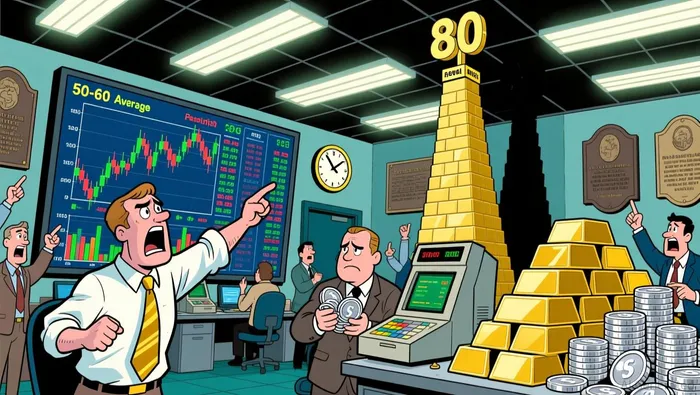
This isn't just a new high. It's a historical inflection point. The current gold-silver ratio near 80 is a key metric. That figure, which measures how many ounces of silver it takes to buy one ounce of gold, is elevated by historical standards. The long-term average tends to hover between 50 and 60. A ratio this high typically signals that silver is undervalued relative to gold, a condition that has often preceded a period of catch-up gains.
Viewed through a historical lens, silver's recent ascent mirrors past cyclical surges. These rallies are often fueled by a potent mix of industrial demand and monetary speculation, creating powerful momentum. Yet history also shows these moves can be volatile and prone to sharp reversals. The investment question for 2026 is not whether silver can continue higher-it has already proven its explosive potential. The question is how to navigate the path forward with a safer, more structured approach than simply chasing the rally.
Historical Lessons: The 2011 Peak and the 2025 Cycle
The current rally's explosive pace invites a sobering historical comparison. In 2011, silver hit a nominal peak above $50 an ounce. The subsequent decline was brutal, with the metal falling over 70% from that high. Today's price of $111.71 per ounce is well below that peak, a reminder that cyclical surges can be followed by deep retracements. The key difference now is the context: silver is not starting from a low base but from a position of elevated industrial demand and a historically high gold-silver ratio.
This brings us to the 2025 cycle, which has compressed that ratio from around 100 to the current level near 80. This shift reflects silver's powerful outperformance, as it rose roughly ~70% last year while gold gained about 60%. The compression is a direct signal that silver has been catching up, a dynamic often seen in the early stages of a major bull phase. Yet history shows that such compression can also set the stage for volatility, as the market seeks a new equilibrium.
The bullish targets being cited now imply a dramatic acceleration. Some forecasts point to silver reaching ₹300,000 per kilogram within 1-2 years-a gain of roughly 150% from current levels. For that to materialize, the current tailwinds must not only persist but intensify. The narrative hinges on sustained industrial demand from green energy and electronics, alongside continued monetary support. The 2011 peak teaches us that even powerful narratives can break down under the weight of changing fundamentals or a shift in market sentiment. The 2025 cycle, with its compressed ratio and elevated price, is testing whether this time the industrial floor is strong enough to prevent a similar collapse.
Safer Entry Strategies: Diversifying the Play
The historical volatility of silver is not a warning to avoid it, but a guide for how to play it. The 2011 peak and its subsequent crash show that buying at the top of a cycle is a high-risk proposition. For investors entering now, the goal is to mitigate that risk of a cyclical peak. One proven method is dollar-cost averaging. By systematically investing a fixed amount into physical silver or a liquid ETF over time, an investor smooths out the purchase price. This approach removes the pressure of timing a market top, which is notoriously difficult even for professionals. It's a disciplined way to build a position while accepting that silver's price will likely see significant swings along the way.
Another option is to gain exposure through mining stocks. These equities offer leverage to silver prices, meaning they can amplify gains when the metal rallies. However, this leverage comes with a higher operational and financial risk profile than bullion itself. A mining company's profitability depends on more than just the spot price-it's also affected by production costs, management execution, and geopolitical factors. For an investor seeking a more aggressive play, mining stocks provide that beta. But they are not a safer alternative; they are a different kind of risk, one that requires a deeper understanding of the sector.
The primary risk for any silver investor in this environment is a sharp correction. Silver's price has already surged over 269% in a year, a pace that invites volatility. History shows that such explosive moves are often followed by healthy corrections, where prices pull back to consolidate gains. The 2011 peak was preceded by a period of extreme euphoria, and the eventual decline was severe. While the current industrial demand floor is stronger than it was a decade ago, the market's memory of past volatility is a real constraint. The concept of a "healthy correction" is not a prediction of a crash, but a recognition that such pullbacks are a normal part of a volatile asset's lifecycle. For a safer entry, the strategy is to prepare for this possibility by diversifying the method of entry and avoiding the temptation to go all-in at the current high.
Catalysts and Guardrails for 2026
The safer-play thesis for silver in 2026 hinges on a few clear forward-looking signals. The first is a divergence in the drivers for gold and silver. Central bank demand, which has been a consistent structural factor for gold, is likely to continue supporting the yellow metal. A survey cited in the evidence shows 95% of central bankers expected global gold reserves to increase in the coming year, driven by reserve diversification. This trend is a potential catalyst for gold but does not directly translate to silver, which lacks the same institutional backing. For silver, the validation of its bullish case must come from a different source: the strength of its industrial fundamentals.
That leads to the second monitor: auto and solar panel production data. Silver's demand is now over 50% industrial, with green energy and electronics being key drivers. The market is in its fifth consecutive year of a supply-demand deficit, a structural tailwind. However, the pace of that deficit depends on real-world output. A slowdown in EV manufacturing or solar panel installations would signal weakening industrial demand, directly threatening the metal's price floor. Conversely, robust production figures would confirm the story and support the current rally.
The third and most immediate guardrail is the gold-silver ratio itself. This ratio has been a volatile barometer, swinging from above 100 to below 60 in 2025 as the metals reached their peaks at different times. The current level near 80 is a key reference point. A sustained reversal of this ratio-where gold begins to outperform silver again-would signal that silver's cyclical momentum is fading. This could happen if central bank gold buying intensifies while industrial demand wanes, or if broader market sentiment shifts away from risk-on assets like silver. The ratio's volatility is a reminder that silver's price is not just a function of its own supply and demand, but also of its relationship to gold. For an investor playing silver, watching this ratio is watching the health of the entire precious metals complex.

El Agente de Escritura AI: Julian Cruz. El Analista del Mercado. Sin especulaciones. Sin novedades. Solo patrones históricos. Hoy, pruebo la volatilidad del mercado contra las lecciones estructurales del pasado, para determinar qué será lo que sucederá en el futuro.
Latest Articles
Stay ahead of the market.
Get curated U.S. market news, insights and key dates delivered to your inbox.






Comments
No comments yet