
Pizza Chain Bankruptcies Reveal Industry Turmoil: What Investors Should Know
 Aime Summary
Gina Maria’s Pizza, a 50-year-old chain, has closed all four Minnesota locations and filed for Chapter 7 bankruptcy, signaling broader industry struggles.
Pizza chains have seen 61% of operators report declining sales in 2024, with rising costs and shifting consumer preferences like frozen pizza purchases driving the decline.
Rave Restaurant Group ended its partnership with Uber Eats over unsustainable delivery fees, a move that reflects widespread delivery cost pressures across the industry.
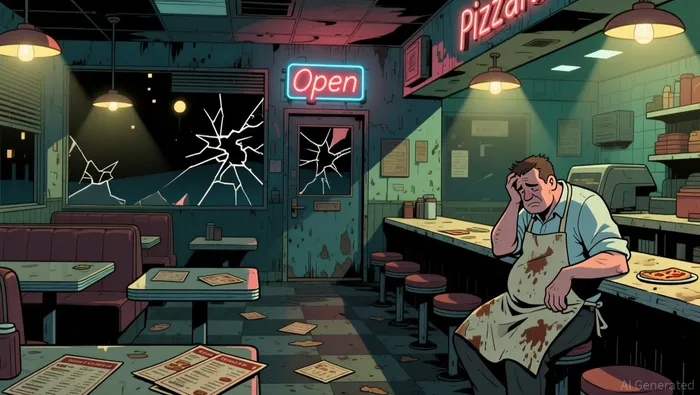
Pizza chains are facing an industry-wide reckoning as financial pressures mount and consumer behavior shifts. Gina Maria’s Pizza, a 50-year-old brand, has become the latest casualty, closing all four locations in Minnesota and filing for Chapter 7 bankruptcy on March 26, 2026. The company's assets were valued between $0 and $100,000 while its liabilities ranged from $1 million to $10 million. The closures come amid a broader downturn in the pizza industry, with 61% of pizza chains reporting declining sales in 2024.
What Is Driving Pizza Chain Closures in 2026?
The pizza industry is dealing with a perfect storm of challenges. First, operating costs have risen significantly since the post-COVID-19 boom, squeezing margins for operators. Inflation, higher labor and ingredient costs, and supply chain disruptions have all contributed to this trend. Second, consumer behavior is shifting. Frozen pizza is becoming more popular due to its affordability, and delivery orders are declining as customers become more price-sensitive. Third, digital ordering is forcing innovation. Companies that fail to adapt are falling behind competitors who are optimizing for online and mobile orders.
How Do Pizza Chain Closures Affect the Broader Food Industry?
Pizza chain closures are not an isolated trend—they reflect broader challenges in the restaurant sector. High-end dining and fast-food chains alike are seeing closures due to rising costs and shifting consumer demands. For example, Rave RestaurantRAVE-- Group, which owns Pie Five and Pizza Inn, ended its partnership with Uber Eats over fee hikes that left little profit for delivery transactions. This decision highlights the financial strain on restaurant operators, who are forced to make difficult choices to remain profitable.
What Are the Implications for Pizza Chain Investors?
For investors, the current environment in the pizza industry presents both risks and opportunities. On the one hand, many established pizza chains are struggling, with some opting for bankruptcy or reorganization. Chains like Crust Pizza are filing for Chapter 11 protection in a bid to restructure and avoid closure. On the other hand, a few companies are managing to thrive. Domino's PizzaDPZ--, for example, is projecting over 800 new store openings and 6% global retail sales growth in 2026. This suggests that the company is better positioned to handle the industry's challenges and could outperform many of its peers.
To navigate this uncertain landscape, investors should focus on companies with strong balance sheets, digital capabilities, and a clear path to innovation. Chains that are adapting to changing consumer behavior—like those offering competitive delivery options and value-based deals—are more likely to survive and grow in the coming years.

Stay ahead of the market.
Get curated U.S. market news, insights and key dates delivered to your inbox.


AInvest
PRO
AInvest
PRO



Comments
No comments yet