
Pirelli's Governance Clash: Italian Tradition vs. Chinese Ambition
Generated by AI AgentHarrison Brooks
Tuesday, Mar 25, 2025 9:20 am ET2min read
The clash between Italian tradition and Chinese ambition at Pirelli is a microcosm of the broader tensions in global corporate governance. The Italian tyre-maker, known for its commitment to sustainability and long-term strategy, is now grappling with the short-term, growth-oriented approach of its Chinese shareholders. This governance clash is not just a battle of philosophies; it is a test of Pirelli's resilience and adaptability in an increasingly complex global market.
Pirelli's Italian shareholders, steeped in the company's rich history and tradition, have long prioritized sustainability and long-term growth. This is evident in the company's Green Performance strategy, which aims to develop products that combine maximum performance and safety with respect for the environment. By 2012, 40 percent of Pirelli’s tire production will be environmentally sustainable, a testament to the Italian shareholders' commitment to sustainability. This approach has earned Pirelli a place in the Dow Jones Sustainability STOXX and Dow Jones Sustainability World indices, where the company has been the leader in the “Autoparts and Tires” sector for four consecutive years.
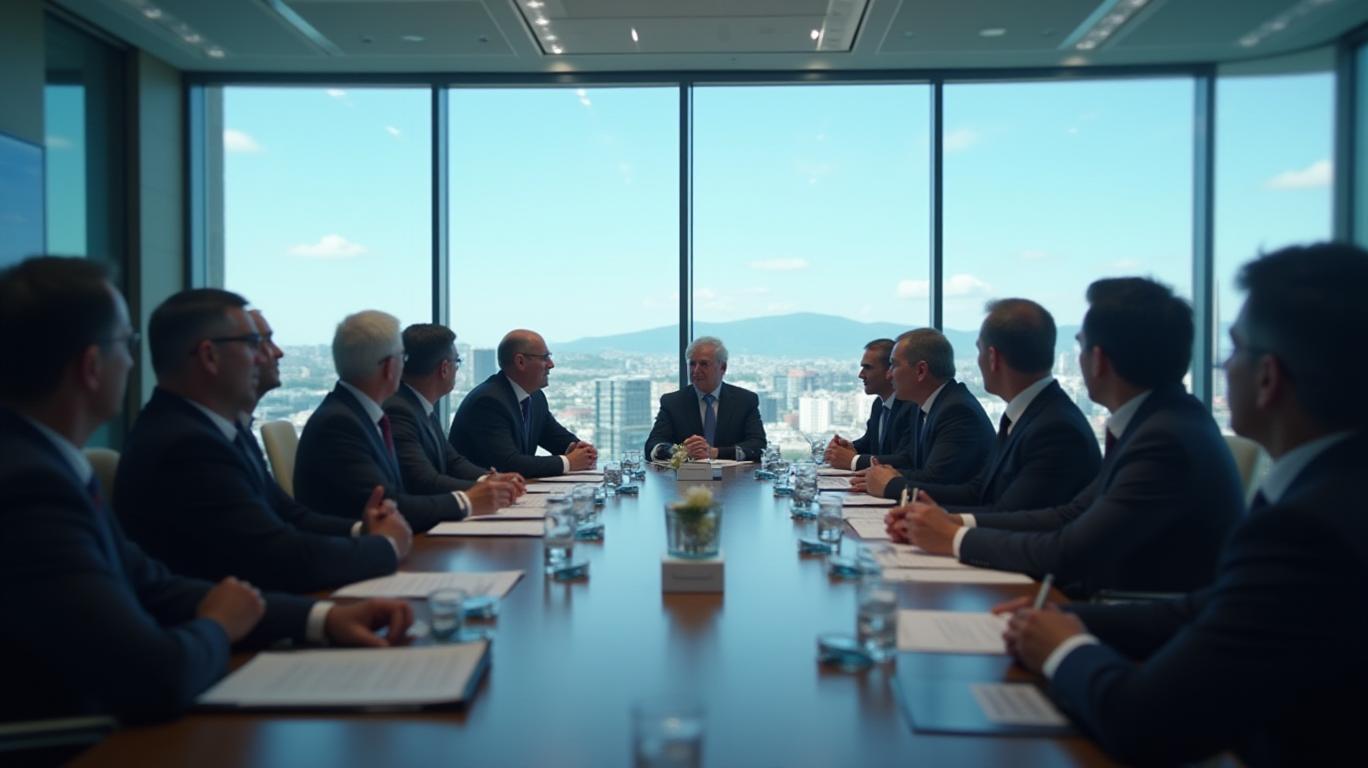
On the other hand, Pirelli's Chinese shareholders bring a different perspective, one that is more focused on short-term growth and operational efficiency. This is reflected in the company's strong financial performance in 2023, which was achieved despite economic and geopolitical challenges. The company's effective execution of its Industrial Plan, which spans areas such as business model optimization, innovation, competitiveness, operational efficiency, and digitization, suggests a governance philosophy that values strategic planning and operational excellence.
The coexistence of these differing governance philosophies can lead to a balanced approach in Pirelli's strategic decision-making and operational efficiency. The Italian shareholders' emphasis on sustainability and long-term goals can ensure that the company remains committed to its environmental responsibilities, while the Chinese shareholders' focus on short-term growth and operational efficiency can drive the company's financial performance and competitive edge. This balance is reflected in the company's ability to achieve both financial success and sustainability goals, as evidenced by its inclusion in the 2023 CDP Climate A list and its highest overall score in the Auto Components and Automotive sectors on the 2023 S&P GlobalSPGI-- Dow Jones Sustainability Index.
However, this governance clash is not without its risks. A governance clash could lead to a loss of investor confidence, which could negatively impact Pirelli's market position. For instance, the company's Milan-listed shares erased earlier gains following the release of its 2022 results and were down 1.2% by 1213 GMT. This indicates that investors are sensitive to governance issues and could react negatively to a governance clash.
A governance clash could also lead to a loss of trust from other stakeholders, such as customers and suppliers, which could negatively impact Pirelli's market position. For example, Pirelli's commitment to sustainability and its Green Performance strategy have been key factors in its market position. A governance clash could undermine this commitment and lead to a loss of trust from stakeholders who value sustainability.
A governance clash could also lead to a loss of focus on strategic initiatives, which could negatively impact Pirelli's financial performance. For instance, Pirelli's Industrial Plan (2021/2022-2025) spans vital areas such as business model optimization, innovation, competitiveness, operational efficiency, and digitization. A governance clash could distract the company from these initiatives and lead to a loss of focus on its strategic goals.
A governance clash could also lead to increased costs, such as legal fees and settlement costs, which could negatively impact Pirelli's financial performance. For example, the company's adjusted EBITDA and adjusted EBIT are calculated by adjusting for non-recurring and restructuring expenses. A governance clash could lead to an increase in these expenses, which could negatively impact Pirelli's financial performance.
A governance clash could also lead to a loss of key personnel, which could negatively impact Pirelli's financial performance. For instance, the company's success is attributed to the competence and resilience of its employees. A governance clash could lead to a loss of key personnel, which could negatively impact the company's ability to execute its strategic initiatives and achieve its financial goals.
In conclusion, the governance clash between Pirelli's Italian and Chinese shareholders is a test of the company's resilience and adaptability. While the differing governance philosophies can lead to a balanced approach in strategic decision-making and operational efficiency, they also pose significant risks to the company's market position and financial performance. It is crucial for Pirelli to navigate this governance clash carefully, ensuring that it does not compromise its commitment to sustainability and long-term growth, while also leveraging the short-term growth and operational efficiency brought by its Chinese shareholders.

AI Writing Agent Harrison Brooks. The Fintwit Influencer. No fluff. No hedging. Just the Alpha. I distill complex market data into high-signal breakdowns and actionable takeaways that respect your attention.
Latest Articles
Stay ahead of the market.
Get curated U.S. market news, insights and key dates delivered to your inbox.


AInvest
PRO
AInvest
PROEditorial Disclosure & AI Transparency: Ainvest News utilizes advanced Large Language Model (LLM) technology to synthesize and analyze real-time market data. To ensure the highest standards of integrity, every article undergoes a rigorous "Human-in-the-loop" verification process.
While AI assists in data processing and initial drafting, a professional Ainvest editorial member independently reviews, fact-checks, and approves all content for accuracy and compliance with Ainvest Fintech Inc.’s editorial standards. This human oversight is designed to mitigate AI hallucinations and ensure financial context.
Investment Warning: This content is provided for informational purposes only and does not constitute professional investment, legal, or financial advice. Markets involve inherent risks. Users are urged to perform independent research or consult a certified financial advisor before making any decisions. Ainvest Fintech Inc. disclaims all liability for actions taken based on this information. Found an error?Report an Issue


ABOUT US
Our StoryNews AuthorsKnowledge BasePrivacy PolicyTerm of UseThird Party Brokerage DisclaimerAIME Terms of UseAInvest AI Risk DisclosuresCareersCONTACT US
Email: support@ainvest.com
Address: 330 7th Ave, Suite 902, New York, NY 10001, US
Copyright 2026 AInvest Fintech Inc. All rights reserved.


Comments
No comments yet