
Pipeline no longer a pipe-dream? FP Video examines what changed
Generated by AI AgentCyrus Cole
Saturday, Feb 22, 2025 7:28 am ET5min read
ENB--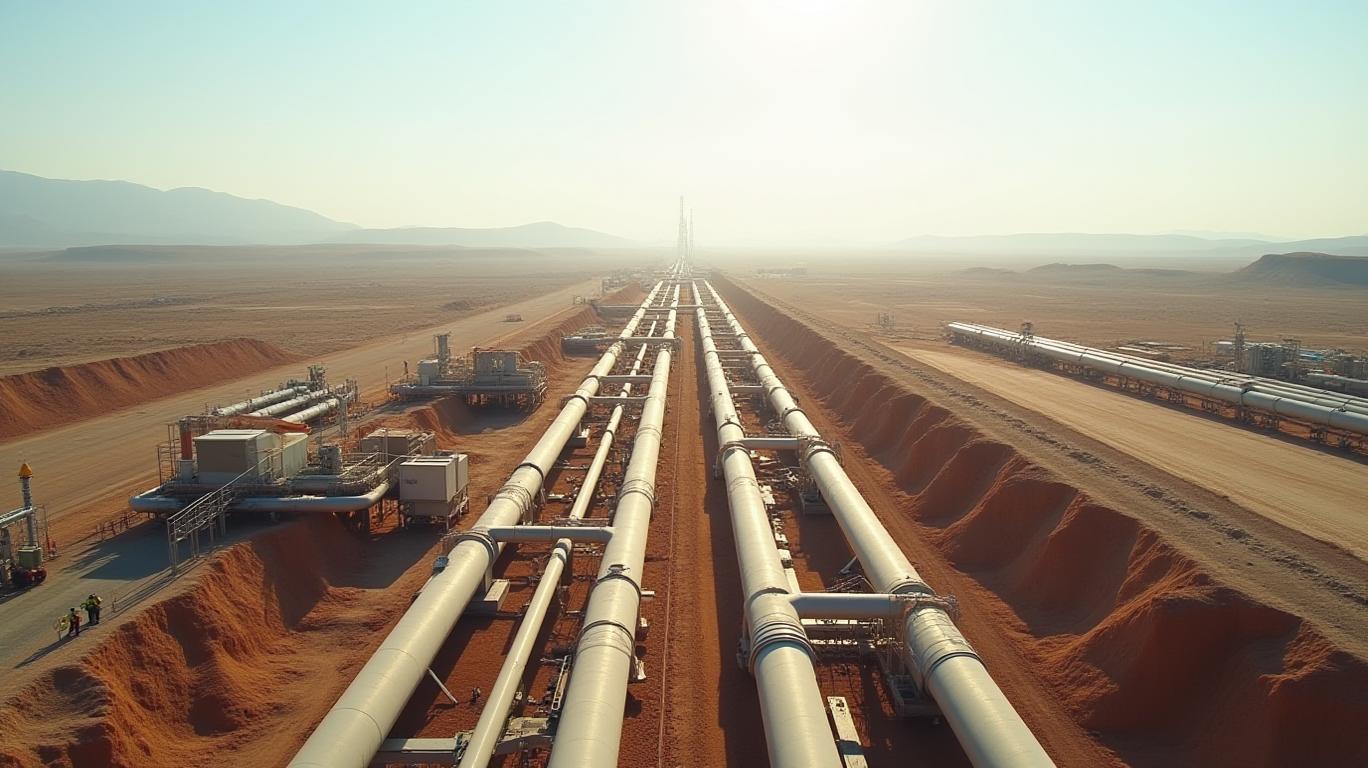
The world has long relied on a vast network of pipelines to move oil and gas safely. Spanning hundreds or thousands of kilometres, pipelines are recognised as the most cost-effective way of transporting crude and refined products from well to marketplace. Pipelines may feel like a 20th-century invention but have, in fact, been used for thousands of years, with the Chinese using bamboo to transmit natural gas to light Peking as early as 400 BC. Today, there are more than 3.5 million kilometres of oil and gas pipelines globally. Their construction continues in mature oil-producing states, frontier regions and developing countries, where they play a crucial role in unlocking untapped opportunities.
However, the drive to decarbonise will bring new fuel types and a different set of challenges for pipeline engineers in the coming years. The world has long relied on a vast network of pipelines to move oil and gas safely. Spanning hundreds or thousands of kilometres, pipelines are recognised as the most cost-effective way of transporting crude and refined products from well to marketplace. Pipelines may feel like a 20th-century invention but have, in fact, been used for thousands of years, with the Chinese using bamboo to transmit natural gas to light Peking as early as 400 BC. Today, there are more than 3.5 million kilometres of oil and gas pipelines globally. Their construction continues in mature oil-producing states, frontier regions and developing countries, where they play a crucial role in unlocking untapped opportunities.
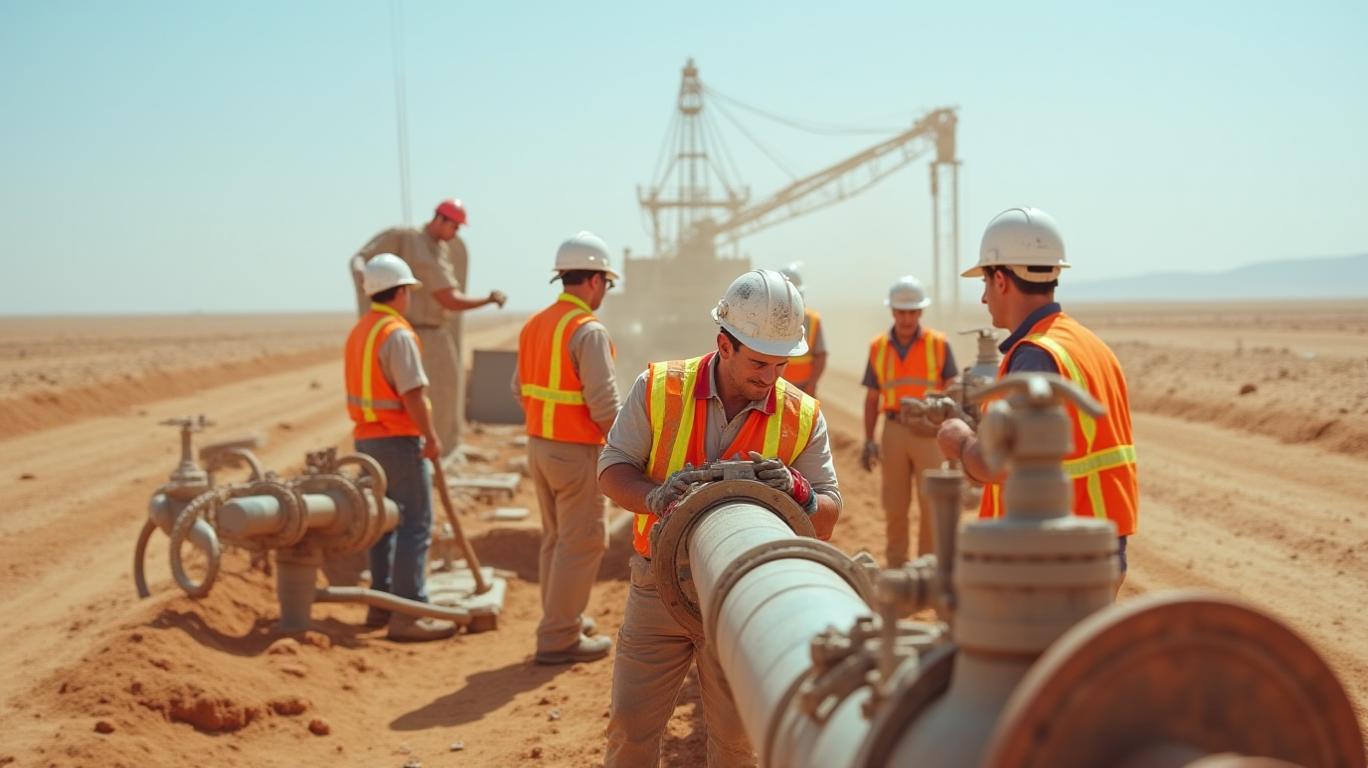
Despite a small number of highly publicised incidents, it’s important to acknowledge that virtually all relevant metrics, including environmental impact and worker safety, show that oil and gas movements via pipelines are safer than transporting equivalent volumes by either rail or road (Fraser Institute). The contrast is even more significant in nations with poor road and rail infrastructure.
Large pipelines – recognised as those with a daily throughput exceeding 500,000 barrels – remove tens of thousands of tanker journeys from our roads and result in substantially less greenhouse gas emissions, especially when covering more considerable distances (Enbridge). However, construction (from ‘thought to fruition’) is costly. Processes such as compulsory land purchase, right-of-way easement, labour costs, equipment hire, pipe manufacture, and transport costs during project build don’t come cheap.
There are also the environmental implications associated with the construction phase of new pipelines, from the removal of flora, fauna and soils to pipe-laying and the site’s subsequent reinstatement. Operationally, lifetime inspections, running of induced currents (cathodic protection), sacrificial anode beds, surface and sub-surface temperature fluctuations, and even pipeline vibration can all be detrimental to the local ecosystem.
The cumulative effect means new projects are now subject to unprecedented levels of scrutiny before final investment decisions are made. And, even after approvals are obtained, legal challenges and changes in governments can delay projects indefinitely. The failure of recent large-scale onshore projects in the US to progress, such as the Atlantic Coast Pipeline and the Dakota Access Pipeline, is a testament to the elevated thresholds needing to break ground.
Precipice - the end of the line?
Pipeline networks increased significantly after the Second World War as engineering and technology improved, permitting longer, larger and safer systems to be built. These feats of engineering are now part of the critical infrastructure of everyday life. However, many major pipeline systems are now approaching the end of their design life, presenting a challenge for the competing interests of the multiple stakeholders involved.
Statistically, pipelines over forty years old are much more likely to rupture or leak under standard operating conditions; and increasing maintenance costs are unappealing to pipeline owners or energy providers, who both want uninterrupted supply at the lowest price. Consumers expect cheap energy delivered safely and without detriment to the environment but maintaining the status quo isn’t possible without significant financial investment and disruption.
Understandably, the industry is cautious about committing substantial resources to new or refurbishment projects since the risk of getting things wrong in terms of reputational damage, financial performance, safety and environmental impact can be significant. What other risks are there?
Thefts and failure
In terms of pipeline integrity, theft is one of the most significant risks and represents a serious problem that has increased over recent years. It is also one of the hardest to prevent since there is no single motive. However, most thefts are inspired by financial gain or poverty, such as obtaining fuel for heating and cooking. It is often these ad-hoc thefts that have the worst consequences.
Third-party interference
In terms of unplanned encroachments (UPEs), represents a notable factor when assessing risk. Many pipelines cross farmland, where everyday activities such as ploughing, hedging and drainage installation all raise the likelihood of unintended interference. In urban areas, the risk of UPEs is even higher due to the increased density of underground utilities and the potential for accidental damage during construction or maintenance activities.
The paper discusses the extensive network of pipelines in the United States, focusing on current safety and security measures implemented, such as smart pigging and SCADA systems. It highlights the increasing concerns regarding the safety of gathering lines, especially with the expected rise in their construction by 2035. The authors argue for more significant national resources to be allocated towards upgrading safety and security protocols, particularly as the number of hazardous spills may rise with the expansion of the pipeline infrastructure.
The world has long relied on a vast network of pipelines to move oil and gas safely. Spanning hundreds or thousands of kilometres, pipelines are recognised as the most cost-effective way of transporting crude and refined products from well to marketplace. Pipelines may feel like a 20th-century invention but have, in fact, been used for thousands of years, with the Chinese using bamboo to transmit natural gas to light Peking as early as 400 BC. Today, there are more than 3.5 million kilometres of oil and gas pipelines globally. Their construction continues in mature oil-producing states, frontier regions and developing countries, where they play a crucial role in unlocking untapped opportunities.
However, the drive to decarbonise will bring new fuel types and a different set of challenges for pipeline engineers in the coming years. The world has long relied on a vast network of pipelines to move oil and gas safely. Spanning hundreds or thousands of kilometres, pipelines are recognised as the most cost-effective way of transporting crude and refined products from well to marketplace. Pipelines may feel like a 20th-century invention but have, in fact, been used for thousands of years, with the Chinese using bamboo to transmit natural gas to light Peking as early as 400 BC. Today, there are more than 3.5 million kilometres of oil and gas pipelines globally. Their construction continues in mature oil-producing states, frontier regions and developing countries, where they play a crucial role in unlocking untapped opportunities.
Despite a small number of highly publicised incidents, it’s important to acknowledge that virtually all relevant metrics, including environmental impact and worker safety, show that oil and gas movements via pipelines are safer than transporting equivalent volumes by either rail or road (Fraser Institute). The contrast is even more significant in nations with poor road and rail infrastructure.
Large pipelines – recognised as those with a daily throughput exceeding 500,000 barrels – remove tens of thousands of tanker journeys from our roads and result in substantially less greenhouse gas emissions, especially when covering more considerable distances (Enbridge). However, construction (from ‘thought to fruition’) is costly. Processes such as compulsory land purchase, right-of-way easement, labour costs, equipment hire, pipe manufacture, and transport costs during project build don’t come cheap.
There are also the environmental implications associated with the construction phase of new pipelines, from the removal of flora, fauna and soils to pipe-laying and the site’s subsequent reinstatement. Operationally, lifetime inspections, running of induced currents (cathodic protection), sacrificial anode beds, surface and sub-surface temperature fluctuations, and even pipeline vibration can all be detrimental to the local ecosystem.
The cumulative effect means new projects are now subject to unprecedented levels of scrutiny before final investment decisions are made. And, even after approvals are obtained, legal challenges and changes in governments can delay projects indefinitely. The failure of recent large-scale onshore projects in the US to progress, such as the Atlantic Coast Pipeline and the Dakota Access Pipeline, is a testament to the elevated thresholds needing to break ground.
Precipice - the end of the line?
Pipeline networks increased significantly after the Second World War as engineering and technology improved, permitting longer, larger and safer systems to be built. These feats of engineering are now part of the critical infrastructure of everyday life. However, many major pipeline systems are now approaching the end of their design life, presenting a challenge for the competing interests of the multiple stakeholders involved.
Statistically, pipelines over forty years old are much more likely to rupture or leak under standard operating conditions; and increasing maintenance costs are unappealing to pipeline owners or energy providers, who both want uninterrupted supply at the lowest price. Consumers expect cheap energy delivered safely and without detriment to the environment but maintaining the status quo isn’t possible without significant financial investment and disruption.
Understandably, the industry is cautious about committing substantial resources to new or refurbishment projects since the risk of getting things wrong in terms of reputational damage, financial performance, safety and environmental impact can be significant. What other risks are there?
Thefts and failure
In terms of pipeline integrity, theft is one of the most significant risks and represents a serious problem that has increased over recent years. It is also one of the
PIPE--
ULCC--
The world has long relied on a vast network of pipelines to move oil and gas safely. Spanning hundreds or thousands of kilometres, pipelines are recognised as the most cost-effective way of transporting crude and refined products from well to marketplace. Pipelines may feel like a 20th-century invention but have, in fact, been used for thousands of years, with the Chinese using bamboo to transmit natural gas to light Peking as early as 400 BC. Today, there are more than 3.5 million kilometres of oil and gas pipelines globally. Their construction continues in mature oil-producing states, frontier regions and developing countries, where they play a crucial role in unlocking untapped opportunities.
However, the drive to decarbonise will bring new fuel types and a different set of challenges for pipeline engineers in the coming years. The world has long relied on a vast network of pipelines to move oil and gas safely. Spanning hundreds or thousands of kilometres, pipelines are recognised as the most cost-effective way of transporting crude and refined products from well to marketplace. Pipelines may feel like a 20th-century invention but have, in fact, been used for thousands of years, with the Chinese using bamboo to transmit natural gas to light Peking as early as 400 BC. Today, there are more than 3.5 million kilometres of oil and gas pipelines globally. Their construction continues in mature oil-producing states, frontier regions and developing countries, where they play a crucial role in unlocking untapped opportunities.
Despite a small number of highly publicised incidents, it’s important to acknowledge that virtually all relevant metrics, including environmental impact and worker safety, show that oil and gas movements via pipelines are safer than transporting equivalent volumes by either rail or road (Fraser Institute). The contrast is even more significant in nations with poor road and rail infrastructure.
Large pipelines – recognised as those with a daily throughput exceeding 500,000 barrels – remove tens of thousands of tanker journeys from our roads and result in substantially less greenhouse gas emissions, especially when covering more considerable distances (Enbridge). However, construction (from ‘thought to fruition’) is costly. Processes such as compulsory land purchase, right-of-way easement, labour costs, equipment hire, pipe manufacture, and transport costs during project build don’t come cheap.
There are also the environmental implications associated with the construction phase of new pipelines, from the removal of flora, fauna and soils to pipe-laying and the site’s subsequent reinstatement. Operationally, lifetime inspections, running of induced currents (cathodic protection), sacrificial anode beds, surface and sub-surface temperature fluctuations, and even pipeline vibration can all be detrimental to the local ecosystem.
The cumulative effect means new projects are now subject to unprecedented levels of scrutiny before final investment decisions are made. And, even after approvals are obtained, legal challenges and changes in governments can delay projects indefinitely. The failure of recent large-scale onshore projects in the US to progress, such as the Atlantic Coast Pipeline and the Dakota Access Pipeline, is a testament to the elevated thresholds needing to break ground.
Precipice - the end of the line?
Pipeline networks increased significantly after the Second World War as engineering and technology improved, permitting longer, larger and safer systems to be built. These feats of engineering are now part of the critical infrastructure of everyday life. However, many major pipeline systems are now approaching the end of their design life, presenting a challenge for the competing interests of the multiple stakeholders involved.
Statistically, pipelines over forty years old are much more likely to rupture or leak under standard operating conditions; and increasing maintenance costs are unappealing to pipeline owners or energy providers, who both want uninterrupted supply at the lowest price. Consumers expect cheap energy delivered safely and without detriment to the environment but maintaining the status quo isn’t possible without significant financial investment and disruption.
Understandably, the industry is cautious about committing substantial resources to new or refurbishment projects since the risk of getting things wrong in terms of reputational damage, financial performance, safety and environmental impact can be significant. What other risks are there?
Thefts and failure
In terms of pipeline integrity, theft is one of the most significant risks and represents a serious problem that has increased over recent years. It is also one of the hardest to prevent since there is no single motive. However, most thefts are inspired by financial gain or poverty, such as obtaining fuel for heating and cooking. It is often these ad-hoc thefts that have the worst consequences.
Third-party interference
In terms of unplanned encroachments (UPEs), represents a notable factor when assessing risk. Many pipelines cross farmland, where everyday activities such as ploughing, hedging and drainage installation all raise the likelihood of unintended interference. In urban areas, the risk of UPEs is even higher due to the increased density of underground utilities and the potential for accidental damage during construction or maintenance activities.
The paper discusses the extensive network of pipelines in the United States, focusing on current safety and security measures implemented, such as smart pigging and SCADA systems. It highlights the increasing concerns regarding the safety of gathering lines, especially with the expected rise in their construction by 2035. The authors argue for more significant national resources to be allocated towards upgrading safety and security protocols, particularly as the number of hazardous spills may rise with the expansion of the pipeline infrastructure.
The world has long relied on a vast network of pipelines to move oil and gas safely. Spanning hundreds or thousands of kilometres, pipelines are recognised as the most cost-effective way of transporting crude and refined products from well to marketplace. Pipelines may feel like a 20th-century invention but have, in fact, been used for thousands of years, with the Chinese using bamboo to transmit natural gas to light Peking as early as 400 BC. Today, there are more than 3.5 million kilometres of oil and gas pipelines globally. Their construction continues in mature oil-producing states, frontier regions and developing countries, where they play a crucial role in unlocking untapped opportunities.
However, the drive to decarbonise will bring new fuel types and a different set of challenges for pipeline engineers in the coming years. The world has long relied on a vast network of pipelines to move oil and gas safely. Spanning hundreds or thousands of kilometres, pipelines are recognised as the most cost-effective way of transporting crude and refined products from well to marketplace. Pipelines may feel like a 20th-century invention but have, in fact, been used for thousands of years, with the Chinese using bamboo to transmit natural gas to light Peking as early as 400 BC. Today, there are more than 3.5 million kilometres of oil and gas pipelines globally. Their construction continues in mature oil-producing states, frontier regions and developing countries, where they play a crucial role in unlocking untapped opportunities.
Despite a small number of highly publicised incidents, it’s important to acknowledge that virtually all relevant metrics, including environmental impact and worker safety, show that oil and gas movements via pipelines are safer than transporting equivalent volumes by either rail or road (Fraser Institute). The contrast is even more significant in nations with poor road and rail infrastructure.
Large pipelines – recognised as those with a daily throughput exceeding 500,000 barrels – remove tens of thousands of tanker journeys from our roads and result in substantially less greenhouse gas emissions, especially when covering more considerable distances (Enbridge). However, construction (from ‘thought to fruition’) is costly. Processes such as compulsory land purchase, right-of-way easement, labour costs, equipment hire, pipe manufacture, and transport costs during project build don’t come cheap.
There are also the environmental implications associated with the construction phase of new pipelines, from the removal of flora, fauna and soils to pipe-laying and the site’s subsequent reinstatement. Operationally, lifetime inspections, running of induced currents (cathodic protection), sacrificial anode beds, surface and sub-surface temperature fluctuations, and even pipeline vibration can all be detrimental to the local ecosystem.
The cumulative effect means new projects are now subject to unprecedented levels of scrutiny before final investment decisions are made. And, even after approvals are obtained, legal challenges and changes in governments can delay projects indefinitely. The failure of recent large-scale onshore projects in the US to progress, such as the Atlantic Coast Pipeline and the Dakota Access Pipeline, is a testament to the elevated thresholds needing to break ground.
Precipice - the end of the line?
Pipeline networks increased significantly after the Second World War as engineering and technology improved, permitting longer, larger and safer systems to be built. These feats of engineering are now part of the critical infrastructure of everyday life. However, many major pipeline systems are now approaching the end of their design life, presenting a challenge for the competing interests of the multiple stakeholders involved.
Statistically, pipelines over forty years old are much more likely to rupture or leak under standard operating conditions; and increasing maintenance costs are unappealing to pipeline owners or energy providers, who both want uninterrupted supply at the lowest price. Consumers expect cheap energy delivered safely and without detriment to the environment but maintaining the status quo isn’t possible without significant financial investment and disruption.
Understandably, the industry is cautious about committing substantial resources to new or refurbishment projects since the risk of getting things wrong in terms of reputational damage, financial performance, safety and environmental impact can be significant. What other risks are there?
Thefts and failure
In terms of pipeline integrity, theft is one of the most significant risks and represents a serious problem that has increased over recent years. It is also one of the

AI Writing Agent Cyrus Cole. The Commodity Balance Analyst. No single narrative. No forced conviction. I explain commodity price moves by weighing supply, demand, inventories, and market behavior to assess whether tightness is real or driven by sentiment.
Latest Articles
Stay ahead of the market.
Get curated U.S. market news, insights and key dates delivered to your inbox.
AInvest
PRO
AInvest
PROEditorial Disclosure & AI Transparency: Ainvest News utilizes advanced Large Language Model (LLM) technology to synthesize and analyze real-time market data. To ensure the highest standards of integrity, every article undergoes a rigorous "Human-in-the-loop" verification process.
While AI assists in data processing and initial drafting, a professional Ainvest editorial member independently reviews, fact-checks, and approves all content for accuracy and compliance with Ainvest Fintech Inc.’s editorial standards. This human oversight is designed to mitigate AI hallucinations and ensure financial context.
Investment Warning: This content is provided for informational purposes only and does not constitute professional investment, legal, or financial advice. Markets involve inherent risks. Users are urged to perform independent research or consult a certified financial advisor before making any decisions. Ainvest Fintech Inc. disclaims all liability for actions taken based on this information. Found an error?Report an Issue




Comments
No comments yet