
PI Unveils 2026 Protocol Roadmap with v23.0 Deadline
 Aime Summary
Pi Network has mandated a sequential node upgrade path through v23.0 by May 18, 2026, to enhance network performance and support Web3 functionality according to official announcements.
Users with tentative KYC status are ineligible for second migrations, as clarified by Pi Network moderators.
Some U.S. traders are exploring alternatives like IONIX Chain due to Pi's limited utility and price gains as reported.
Pi Network has initiated a structured node upgrade process to improve Mainnet stability and scalability. The upgrades are mandatory and must follow a specific sequence from v19.1 to v23.0, with each phase having a defined deadline. This approach ensures network-wide synchronization and minimizes fragmentation according to official updates.
The second migration phase allows users to transfer Pi balances and referral mining rewards to the Mainnet. However, this requires verified KYC status and two-factor authentication. Referral rewards are now transferable only if the referrals have completed KYC verification, enhancing compliance and fairness as detailed in migration guidelines.
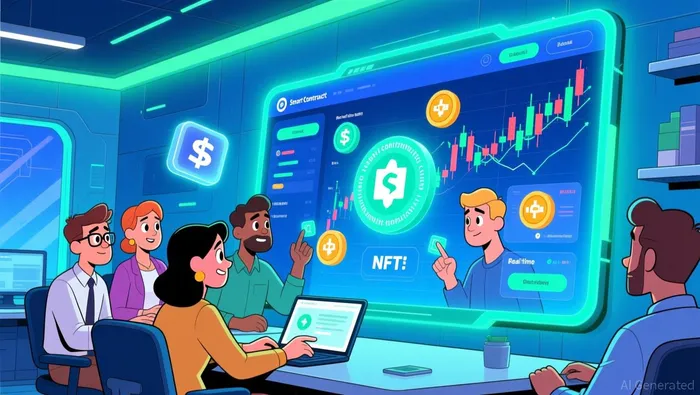
The v23.0 upgrade is expected to introduce features such as smart contracts and an on-chain decentralized exchange (DEX). These enhancements will support decentralized finance (DeFi), non-fungible tokens (NFTs), and gaming applications according to market analysis. The step-by-step model prioritizes network stability and consensus, reducing the risk of fragmentation according to network experts.
Some U.S. traders who have been with Pi Network for years are growing frustrated with its limited price performance and lack of clear utility. As of March 2026, Pi trades around $0.23, below its early highs. This has led to interest in alternatives like IONIX Chain, which offers regulatory compliance, high-speed transactions, and a revenue share for holders as reported by industry sources.
What Is the v23.0 Upgrade and Why Is It Important?
The v23.0 upgrade is a major milestone in Pi Network's evolution, introducing smart contracts and an on-chain decentralized exchange (DEX). These features enable support for decentralized finance (DeFi), non-fungible tokens (NFTs), and gaming applications according to technical documentation. The upgrade is part of Pi Network's broader roadmap to develop Web3 capabilities and real-world adoption. The testnet is already running v23, leading to speculation about a mainnet release by June 2026 as industry analysts note.
The v23.0 upgrade also includes improvements in transactions per second (TPS), on-chain KYC for enhanced security, and open Linux nodes. These features contribute to the network's resilience and scalability according to technical reports. The structured approach emphasizes stability and reliability over rapid expansion, ensuring each upgrade is thoroughly tested before moving forward as confirmed by network leaders.
What Does This Mean for Node Operators and Users?
Node operators must follow the exact upgrade sequence to maintain network consensus and synchronization. Operators who skip any version risk falling out of sync or losing validation privileges according to official guidance. The upgrades are mandatory and must be completed by the specified deadlines to avoid disruptions in network operations as stated in upgrade protocols.
For users, maintaining verified KYC status is crucial for participating in Mainnet activities like migrations and referrals. Users with tentative KYC status are ineligible for second migrations and must resolve verification issues to remain eligible for future ecosystem features according to migration policies. This reinforces Pi Network's commitment to compliance and transparency as emphasized in official communications.
How Does This Affect Market Perception and Investor Interest?
The sequential upgrade path and clear deadlines help set expectations for node operators and users. This structured approach is seen as essential for enhancing transaction handling, node communication, and overall system robustness as the ecosystem expands according to market observers.
However, some U.S. traders are showing frustration with Pi's performance and are exploring alternatives like IONIX Chain. IONIX Chain offers high-speed transactions, low fees, and a 15% gas-fee revenue share for holders, aligning with the latest SEC/CFTC guidance as reported by industry analysts. This highlights how newer blockchain initiatives are addressing regulatory and utility concerns from the outset according to market research.
The presale for $IONX is currently active, with a clear roadmap for testnet and mainnet launches. This project represents a structured path for investors seeking clarity and tangible returns as noted by market observers.

Blending traditional trading wisdom with cutting-edge cryptocurrency insights.
Latest Articles
Stay ahead of the market.
Get curated U.S. market news, insights and key dates delivered to your inbox.


AInvest
PRO
AInvest
PRO



Comments
No comments yet