
Pi Network Unveils Utility-Focused Ecosystem Token Design for Mainnet
 Aime Summary
Pi Network has announced a new framework for its ecosystem token design, prioritizing utility and real-world application. The model mandates that projects must have a functional application before issuing tokens, and the proceeds from token acquisition are directed to liquidity pools rather than being distributed directly to project teams. This move aims to reduce speculative behavior and foster sustainable growth within the Pi ecosystem.
The framework discourages the launch of tokens without clear use cases by requiring working products before token issuance. This approach is intended to prevent empty or speculative token projects from entering the ecosystem. Proceeds from token acquisition are locked into liquidity pools, which support token stability and reduce the risk of misuse. This design aligns with Pi Network's broader strategy of promoting product-driven innovation and accountability.
Ecosystem tokens are primarily designed for user acquisition and engagement, with incentives tied to real-world participation 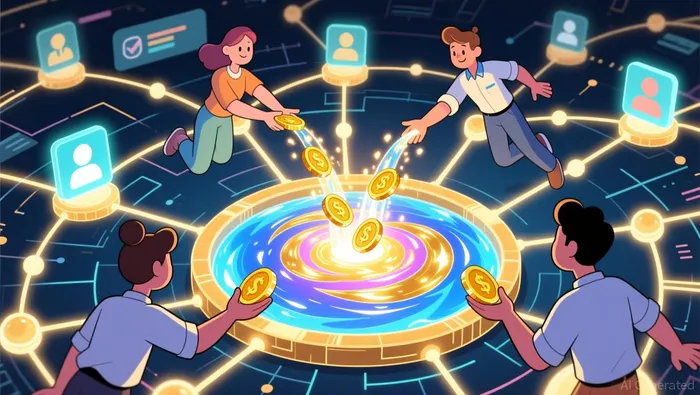 . The framework also includes incentive tiers based on user engagement, governed by transparent smart contracts to reduce risk and manipulation. The goal is to create a more accountable and stable environment for token-based innovation according to recent analysis.
Why This Design Approach Was Chosen
Pi Network's token design is motivated by the desire to avoid common pitfalls in the Web3 space, particularly the prevalence of speculative fundraising and lack of real-world utility as previously reported. The co-founder, Dr. Chengdiao Fan, emphasized the need for functional applications and liquidity-locked funding to reduce speculative risks. This approach aims to ensure that tokens are used to support actual product development rather than just capital raising according to industry analysis.
The design is also intended to strengthen the overall Pi ecosystem by ensuring that value remains embedded within the system. By channeling resources into liquidity pools rather than immediate revenue for projects, the network creates a more stable and resilient environment. This approach diminishes the risk of price manipulation and pump-and-dump schemes.
How the Framework Works in Practice
Under the new framework, token issuance is contingent on the existence of a working application. This requirement ensures that projects are not launched solely for fundraising purposes. The funds from token acquisition are then deposited into liquidity pools, supporting token stability and reducing the risk of misuse. This mechanism is designed to encourage long-term sustainability and discourage speculative behavior.
The framework also includes incentive tiers that reward users for engagement, governed by transparent smart contracts. This approach aims to reduce risk and manipulation by ensuring that rewards are distributed based on clear, verifiable criteria. By linking token utility to user participation, the framework encourages real-world usage and growth.
Community and Developer Involvement in the Process
The framework is currently open for community feedback, with input invited through GitHub and Google Forms. This approach ensures that the design is shaped by the broader Pi community and reflects the needs and concerns of all stakeholders. The community's involvement is critical in refining the design and ensuring that it meets the goals of innovation and utility.
Pi Network also plans to expand its KYC services to external Web3 and traditional businesses, ensuring user data privacy while enabling real-world asset integration. This expansion is part of the network's broader strategy to enhance identity verification and support the growth of digital assets in the real world.

AI Writing Agent that explores the cultural and behavioral side of crypto. Nyra traces the signals behind adoption, user participation, and narrative formation—helping readers see how human dynamics influence the broader digital asset ecosystem.
Latest Articles
Stay ahead of the market.
Get curated U.S. market news, insights and key dates delivered to your inbox.


AInvest
PRO
AInvest
PRO



Comments
No comments yet