
PI NETWORK UNLOCKS SECOND MIGRATION PHASE FOR REFERRAL REWARDS
 Aime Summary
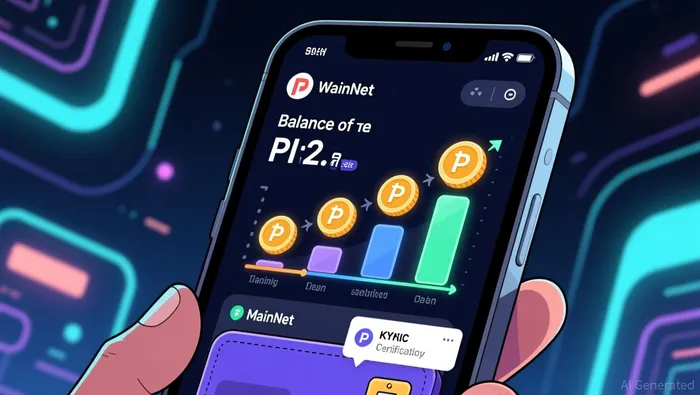
Pi Network has launched its Second Migration Phase, allowing verified users to transfer referral mining rewards to the Mainnet, requiring KYC-compliant referrals for eligibility according to Coinpedia. - Over 119,000 users have completed this phase, with referrals needing two-factor authentication before transfers. The update also enhances Mainnet utility via Pi Launchpad and app integrations as reported by MEXC. - The network is preparing for a mandatory Protocol 21 upgrade by April 6, ensuring node operators remain connected as it moves toward the v23.0 release on May 18 according to TradingView.
Pi Network's Second Migration Phase is an extension of the initial migration process, which prioritizes first-time transfers to ensure equitable access and network stability as detailed by MEXC. This phase introduces additional liquidity by enabling referral bonuses to be moved to the Mainnet, with over 16 million total migrated accounts according to CoinDCX. Users must complete identity verification to qualify for second migrations, reinforcing the project's focus on compliance and structured growth .
The update has sparked mixed community reactions, with some expressing concerns over KYC delays and account status changes, while others view it as a positive step toward ecosystem expansion according to Coinpedia. The phased rollout approach helps maintain technical stability while gradually increasing participation as reported by MEXC.
What Is the Significance of the Second Migration Phase?
The second migration allows users to transfer referral bonuses, increasing their Mainnet holdings and contributing to broader token distribution. This aligns with Pi Network's declining issuance model and long-term tokenomics strategy, which allocates 65% of the 100B token supply to community rewards according to CoinDCX.
With referral rewards now accessible on the Mainnet, users can engage in peer-to-peer transactions, dApps, and other ecosystem activities. This migration also supports Pi Network's vision of becoming a widely used digital currency by enhancing its utility and transactional capabilities as reported by MEXC.
What Challenges and Limitations Exist With This Update?
Community frustrations persist around KYC issues, with some users reporting account status changes and delays in verification according to TradingView. Additionally, referrals must complete KYC for their rewards to be transferable, which introduces a barrier for some users according to Coinpedia.
The Protocol 21 upgrade deadline by April 6 adds operational pressure for node operators to stay current with network updates. Non-compliance results in disconnection, which could affect node participation if not managed carefully according to TradingView.
What's Next for Pi Network's Development Roadmap?
The v23.0 release on May 18 is the next major milestone, following the ongoing series of node upgrades according to TradingView. The network has also introduced palm print authentication for KYC, adding a liveness check without requiring face scans according to CoinDCX. This innovation may enhance account security and streamline identity verification.
Validator rewards for KYC work remain in final testing and are expected to be deployed by the end of March 2026 according to CoinDCX. These rewards incentivize participation in the KYC process, supporting the network's goal of expanding access while maintaining compliance.
Pi Network's strategy of controlled and phased rollouts continues to emphasize accuracy, fairness, and long-term scalability . The gradual migration of referral bonuses and other balances will likely continue to influence perceptions of Pi's utility and value within the broader crypto ecosystem.

Blending traditional trading wisdom with cutting-edge cryptocurrency insights.
Latest Articles
Stay ahead of the market.
Get curated U.S. market news, insights and key dates delivered to your inbox.


AInvest
PRO
AInvest
PRO



Comments
No comments yet