
Pi Network Targets Open Mainnet 2026, Strengthening Security and Migration
 Aime Summary
Pi Network is accelerating its migration to Open Mainnet in 2026, aiming to enable real-world transactions and broader ecosystem utility according to reports.
- The network has unblocked 2.5 million users for Mainnet migration through enhanced KYC and security upgrades, streamlining the process and addressing previous bottlenecks as detailed.
- The project emphasizes decentralization, security, and real-world utility for PiCoin, positioning itself as a functional digital asset rather than a speculative one according to analysis.
Pi Network is in a pivotal phase of development as it moves closer to its Open Mainnet 2026 target. This transition is not just a technical milestone but also a strategic shift toward real-world adoption. The network's focus on gradual development and stability is evident in its phased migration approach, ensuring that each step is well-considered and secure as reported.
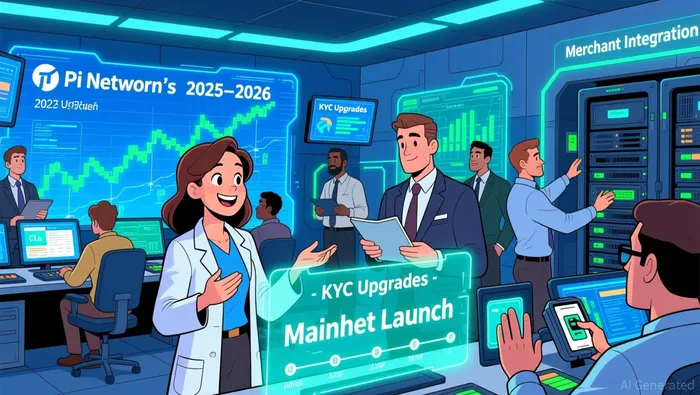
The Open Mainnet represents a shift from simulated activity to actual transactions. This change will allow PiCoin to be used for peer-to-peer transactions, decentralized applications, and even Pi-based marketplaces. The goal is to build organic demand for PiCoin before it is exposed to external markets, reducing volatility risks and encouraging broader adoption according to planning.
The migration process has been streamlined through the introduction of palm print verification, batch processing, and AI-assisted KYC validation. These innovations not only improve security but also reduce verification times, addressing user frustrations. Over 16 million verified users are now active on the network, and more are expected to join as the migration accelerates as noted.
What Is Happening with Pi Network in 2026?
Pi Network's 2026 roadmap includes a transition to a fully functional Mainnet that supports real transactions and decentralized applications. The network is implementing advanced compliance measures, including Know Your Customer (KYC) systems, transaction monitoring, and operational transparency, to ensure regulatory alignment according to updates.
The Open Mainnet period, which began on February 20, 2025, enables real-world usage of Pi tokens through peer-to-peer transactions and decentralized apps. The Stellar Consensus Protocol (SCP) is central to this transition, as it allows users to mine Pi coins from smartphones with low resource consumption as explained.
The project is also exploring broader financial use cases through initiatives like the Pi Network Hackathon 2025 and the launch of Gargoura Digital BankBANK-- on Testnet. These efforts aim to strengthen the Pi ecosystem and support real-world financial integration according to announcements.
How Is the Migration Process Being Streamlined?
The migration to the Mainnet is being handled in batches to ensure security and compliance while scaling verification efforts. This approach prevents sudden market fluctuations and allows the network to maintain stability as detailed.
Palm print verification has been introduced to the KYC process as an added security measure without requiring face scans. The v23 protocol upgrade also introduced high-speed, low-cost smart contracts, enhancing the network's capabilities for decentralized finance and global transactions according to technical documentation.
More than 700,000 previously ineligible users will be enabled to submit their KYC applications in the coming weeks, further accelerating the migration process as reported. The Merchant Engine, which allows merchants to accept PiCoin via smartphones, is another step toward real-world utility according to updates.
What Challenges and Opportunities Remain for Pi Network?
Despite progress, Pi Network faces challenges such as token unlock schedules, limited DeFi integration, and regulatory uncertainties. These factors could affect token supply dynamics and market perception according to analysis.
The project's emphasis on real-world utility and compliance positions it as a leader in building an inclusive and sustainable digital ecosystem. However, the transition to a fully liquid digital asset could also attract institutional and retail participants, expanding its reach according to forecasts.
Some community members have raised concerns about the slow progress and lack of attention to user issues, particularly around KYC status and migration. While the Core Team has taken steps to address these concerns, some users feel that more tangible progress is needed as stated.
The project's measured and disciplined approach to development highlights the importance of infrastructure growth during quiet market periods. Unlike many crypto projects that prioritize speculative momentum, Pi Network is emphasizing network stability, security, and long-term ecosystem growth according to analysis.

Blending traditional trading wisdom with cutting-edge cryptocurrency insights.
Latest Articles
Stay ahead of the market.
Get curated U.S. market news, insights and key dates delivered to your inbox.


AInvest
PRO
AInvest
PRO



Comments
No comments yet