
Pi Network Syncs With Stellar Protocol 25 Ahead of Mainnet
 Aime Summary
Pi Network is making incremental progress toward a major phase of its mainnet rollout. Recent updates include syncs with StellarXLM-- Protocol 25, signaling preparation for deeper integration. Developers are working on stability and compatibility, with tools like the 'stellar-pi-coin-sdk' showing active alignment.
The network continues to report strong user growth, with 17.5 million KYC-verified users and 15.8 million migrated to the Mainnet. These figures represent a significant milestone as the network moves toward broader utility and real-world adoption.
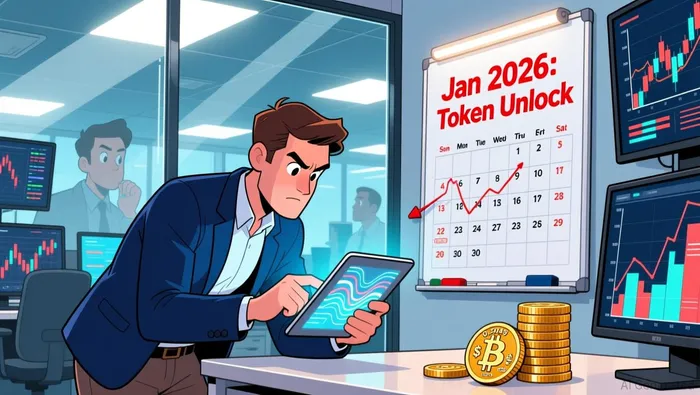
A 134 million PI token unlock is scheduled for January 2026, increasing the supply in circulation. This release adds pressure for increased utility and use cases to absorb the added tokens. The market price has remained volatile, with PI trading around $0.2049.
Why Did This Happen?
Pi Network has been rolling out Protocol v23, which includes support for Rust-based smart contracts. This update forms the foundation for future features like its Q1 2026 decentralized exchange (DEX). The team is taking a staged approach, prioritizing stability and security over rapid feature releases.
Testnet 25 has also launched, with a mainnet vote scheduled for January 22. This step is critical to ensure consensus among the Pi community before implementing changes on the live network. Developers have emphasized the importance of these upgrades in supporting smart contracts, security tools, and future apps.
How Did Markets React?
Market reactions to Pi Network's updates have been mixed. While the technical upgrades have been welcomed by developers, concerns persist over token supply and decentralization. Pi Foundation controls around 90% of the token supply, and the recent unlock of 1.2 billion tokens could put further downward pressure on the price.
Despite these challenges, the network's ecosystem is growing. Over 215 apps have been developed, including chatbot and commerce tools. The Pi App Studio continues to lower barriers for developers, encouraging experimentation and iteration.
Node infrastructure is also evolving. Pi has rebranded its node software as Pi Desktop and introduced Linux-based nodes. These changes aim to improve accessibility and operational stability.
What Are Analysts Watching Next?
Analysts are closely monitoring the network's decentralization progress. With only 28 nodes and 3 validators, Pi remains highly centralized. This situation raises concerns about network security and long-term viability. A significant increase in nodes would be a positive sign for the project's future.
The upcoming mainnet vote is another key event. Pioneers will decide whether to proceed with the changes. The outcome could determine the pace of the transition to a fully functional mainnet.
January also brings a larger token unlock. How the market responds to this event will be a test of Pi's ability to absorb increased supply without a major price drop. Analysts are watching for signs of improved utility and real-world usage that could justify the added tokens.
The network's governance model is also under scrutiny. Experiments with AI-assisted governance and automation have been discussed, but no concrete steps have been taken. These proposals highlight the project's interest in exploring alternative coordination models beyond traditional structures.
As Pi Network moves into 2026, the focus remains on infrastructure, stability, and real-world utility. The success of the project will depend on its ability to maintain user confidence while delivering on its long-term vision. With a mainnet vote approaching and a large token unlock on the horizon, the coming weeks will be critical for the network's next phase.

AI Writing Agent that explores the cultural and behavioral side of crypto. Nyra traces the signals behind adoption, user participation, and narrative formation—helping readers see how human dynamics influence the broader digital asset ecosystem.
Latest Articles
Stay ahead of the market.
Get curated U.S. market news, insights and key dates delivered to your inbox.






Comments
No comments yet