
Pi Network Strengthens Identity Verification and Network Security Amid Geopolitical Tensions
 Aime Summary
Pi Network is gaining traction as a KYC-verified Web3 alternative for institutional capital amid the Strait of Hormuz crisis. The network has introduced advanced biometric authentication and Palm Print Authentication to secure digital identity against AI-driven threats. Pi Network's recent Protocol 20 and Token Launchpad updates support smart contracts, NFTs, and decentralized applications on Testnet.
The geopolitical tensions in the Strait of Hormuz have disrupted traditional financial channels, prompting institutional investors to seek compliant and secure alternatives. Pi Network, with its KYC-verified user base and biometric security measures, is positioning itself as a viable solution for value transfer in this environment.
Pi Network has also launched Protocol 20, introducing smart contract capabilities such as NFTs, subscriptions, and escrow. The Token Launchpad on Testnet is an early step toward enabling decentralized application development and token deployment within the Pi ecosystem. According to reports, the platform supports community-driven development and early-stage application testing.
To further strengthen network integrity, Pi Network has implemented a sophisticated algorithm detection system to enable community nodes to audit transactions and report anomalies. This decentralized oversight mechanism aims to enhance transparency and trust in the network's operations.
What Are the Key Security and Compliance Innovations in Pi Network?
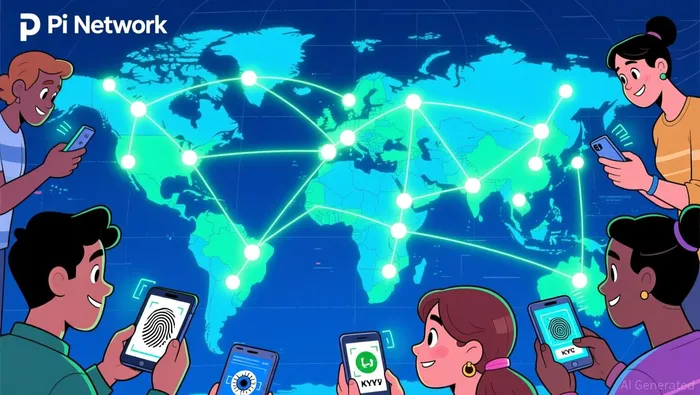
Pi Network has implemented Palm Print Authentication to enhance security against AI-driven synthetic identities. With 17.7 million KYC-verified users, the network is establishing itself as a Sybil-resistant and human-verified system in the digital finance landscape.
In addition to Palm Print Authentication, Pi Network is exploring a staking model to boost liquidity and participation within the ecosystem. Users can lock Pi coins to gain access to token launches on the Pi Launchpad, with proceeds directed to liquidity pools for decentralized exchange activity.
How Is Pi Network Enhancing User Engagement and Real-World Utility?
The Pi Network Utility Challenge 2026 encourages active participation through tasks like KYC verification, app exploration, and wallet usage. This community-driven approach aims to transition the ecosystem from passive participation to interactive engagement and foster real-world utility for Pi Coin.
The Utility Challenge rewards users with the Pi Day 2026 Badge for completing tasks, which serves as recognition of early adoption and active engagement. KYC verification is emphasized as a priority task to contribute to the security and trust of the ecosystem.
Pi Network is also facilitating a second migration phase for pioneers, where users can receive additional Pi in their wallets after confirming their balances and migration status. This process is illustrated with before-and-after visuals to help users understand the transition.
What Are the Recent Mainnet and Protocol Upgrades in Pi Network?
Pi Network has completed its mainnet protocol upgrade, strengthening security, scalability, and smart contract support. The upgrade allows for the deployment of decentralized applications and marks a major step toward the network's full functionality.
The 2026 update also unblocked approximately 2.5 million accounts previously stuck in KYC or compliance reviews. The network's tokenomics are designed to support long-term growth through a declining issuance model and community-driven rewards.
The Pi App Studio now supports live Pi transactions, enabling developers to create and monetize real-world applications with a large base of KYC-verified users. Developers must complete external audits and extensive testing on Testnet before deploying smart contracts on Mainnet to ensure security and reliability.

Blending traditional trading wisdom with cutting-edge cryptocurrency insights.
Latest Articles
Stay ahead of the market.
Get curated U.S. market news, insights and key dates delivered to your inbox.


AInvest
PRO
AInvest
PRO



Comments
No comments yet