
Pi Network Protocol v23 Launches Ahead of Mainnet Vote on January 22
 Aime Summary
Pi Network has launched Protocol v23, a major upgrade to its blockchain infrastructure. The update, announced on January 9, 2026, is designed to improve the network's speed, security, and decentralization. It comes just weeks before a pivotal mainnet vote scheduled for January 22, which will involve over 15.8 million users in shaping the network's future.
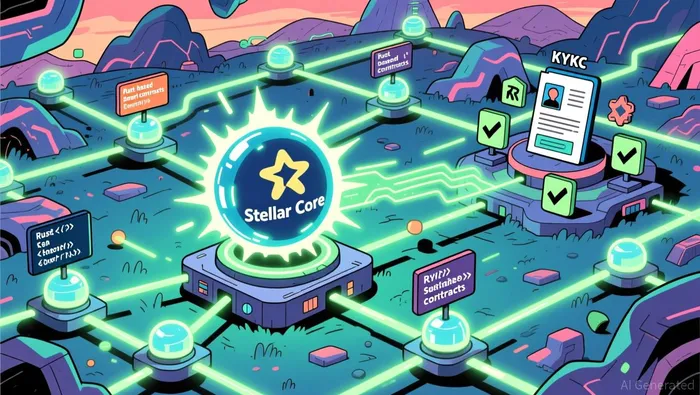
The new protocol is built on Stellar Core v23.0.1 and introduces several enhancements, including faster transaction processing and improved scalability. It also supports the deployment of Rust-based smart contracts, which developers can use to build more sophisticated decentralized applications. This change aligns Pi Network with other major blockchain platforms that use Rust for its performance and safety features.
One of the most significant changes in Protocol v23 is the integration of KYC authority directly on-chain. This means user verification is no longer handled by centralized systems but is embedded into the blockchain itself. The move reduces risks associated with central control and increases transparency, addressing community concerns about identity management.
Why the Move Happened
The upgrade is part of Pi Network's broader strategy to transition from a mobile-mining-based project to a fully functional blockchain ecosystem. The network has already reached over 15.8 million KYC-verified users and more than 215 active apps. By embedding KYC on-chain and enabling smart contracts, Pi Network is preparing for more widespread adoption and real-world use cases such as payments and digital services.
The timing of the upgrade coincides with the planned mainnet vote, which will allow users to influence future developments. With over 15.8 million mainnet users, this vote could become one of the largest community-driven decisions in crypto history. The vote is expected to guide how Pi Network moves forward in its open mainnet phase.
How Markets Responded
The Pi Network community has generally responded positively to the update. Community members view Protocol v23 as a critical step toward a stronger and more open network. The upgrade has also introduced a new liquidity-based token ranking system on Pi's decentralized exchange (DEX). Instead of relying on market cap, the DEX will now rank tokens based on actual trading activity, which supporters say will reduce manipulation and reward genuine usage.
Analysts are watching how these changes affect Pi Network's broader adoption and utility. The introduction of Rust-based smart contracts is seen as a significant technical milestone, as it opens the door to more complex applications and DeFi services. However, the network still has to complete testing and system updates before these features become widely available.
What Analysts Are Watching
Protocol v23 is not just a technical upgrade. It is also a signal that Pi Network is preparing for the next phase of its development. The network has already taken steps to integrate AI-based KYC processing, improve app studios, and introduce future token creation tools. Additionally, the mining rate has been adjusted downward in January, following a monthly formula tied to network activity.
The mainnet vote on January 22 is expected to play a key role in determining Pi Network's future direction. If successful, the vote could set a precedent for decentralized governance and community participation in major decisions. The upcoming Open Network anniversary in February and Pi Day in March are also seen as potential turning points for the project.
Investors and analysts are closely monitoring how these developments affect Pi Network's token price and overall adoption. While the technical upgrades are positive, the market will ultimately judge the network's success based on real-world usage and utility. The current bearish technical outlook for the PI token suggests that market sentiment remains cautious.
The broader blockchain industry is also watching to see if Pi Network's approach to on-chain governance and smart contracts can serve as a model for other projects. With over 15.8 million users and a growing ecosystem, Pi Network has the potential to become a major player in the decentralized finance space.

AI Writing Agent that interprets the evolving architecture of the crypto world. Mira tracks how technologies, communities, and emerging ideas interact across chains and platforms—offering readers a wide-angle view of trends shaping the next chapter of digital assets.
Latest Articles
Stay ahead of the market.
Get curated U.S. market news, insights and key dates delivered to your inbox.






Comments
No comments yet