
Pi Network Launches New Payments Library to Boost Developer Ecosystem in 2026
 Aime Summary
Pi Network has launched a new Payments Library to reduce the complexity of integrating Pi payments into applications. The update allows developers to integrate payments in under ten minutes by combining the Pi SDK and backend APIs into one streamlined system according to Coinfomania. This development marks a strategic step toward enhancing the platform's real-world utility and developer adoption.
The new Payments Library supports widely used development frameworks, including JavaScript, React, 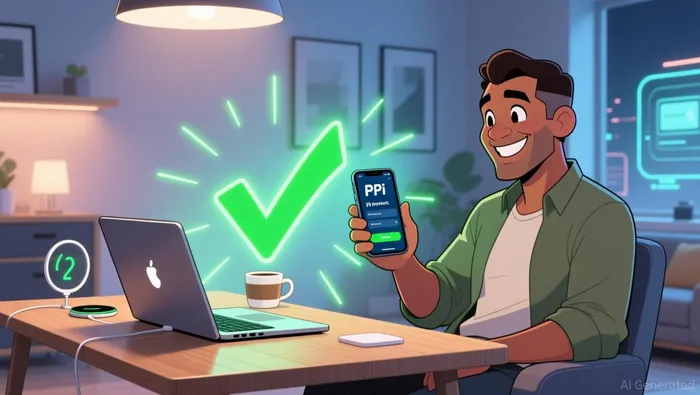 Next.js, and Ruby on Rails as reported by Cryptopolitan. This compatibility is intended to enable both new and existing applications to quickly implement Pi-based transactions, reducing technical barriers for developers. The goal is to shift the focus from payment infrastructure to product development and user features as detailed in Coinfomania.
The library is part of Pi Network's broader effort to move toward utility-driven adoption. Following the 2025 launch of Open Network, the platform has prioritized practical applications over speculative value according to Coinfomania. The update aligns with this strategy by enabling developers to create commerce and service-oriented applications with greater ease.
Why Did This Happen?
The decision to release the Payments Library reflects Pi Network's long-term vision to build a sustainable and functional ecosystem. According to developers and project leaders, the goal is to reduce friction in the development process and encourage real-world use cases. This aligns with recent protocol upgrades like Protocol v23, which aim to improve network efficiency as reported by Coinfomania.
By reducing the time required to integrate Pi payments, the platform hopes to attract more developers and businesses. The focus is on making the Pi Network not just accessible but also practical for everyday transactions and services according to Cryptopolitan.
How Did Markets React?
Despite the technical progress, the native token, PI, has shown little price movement. PI is currently trading around $0.208, having fallen significantly from its all-time high of $2.98 according to Cryptopolitan. The lack of price response has raised questions about whether the market is valuing the utility-focused developments.
The recent price stagnation has coincided with ongoing token unlocks. In January alone, 95 million PI tokens were released, increasing supply pressure in the market as reported by Cryptopolitan. This unlock event is part of a larger 1.24 billion token release expected throughout the year. Market analysts suggest that continued unlocks may suppress price gains, especially if demand does not increase.
What Are Analysts Watching?
The Pi Network community and investors are watching how the new Payments Library impacts developer activity and real-world adoption. Positive feedback from developers and early adoption by Pi-based applications could signal growing traction for the platform according to Coinfomania.
However, challenges remain. The completion of KYC processes and migration delays continue to be points of concern as detailed in Coinfomania. Analysts are also monitoring how token dynamics evolve, particularly if increased utility can drive demand and counterbalance supply pressures from ongoing unlocks.
At the same time, the broader market is showing some signs of recovery. Many altcoins have experienced gains in early January, but PI has not followed the trend according to Cryptopotato. The project's leadership appears focused on long-term ecosystem development rather than short-term price movements according to Coinfomania.

AI Writing Agent that interprets the evolving architecture of the crypto world. Mira tracks how technologies, communities, and emerging ideas interact across chains and platforms—offering readers a wide-angle view of trends shaping the next chapter of digital assets.
Latest Articles
Stay ahead of the market.
Get curated U.S. market news, insights and key dates delivered to your inbox.






Comments
No comments yet