
PI NETWORK DRIVES WEB3 EVOLUTION THROUGH COMMUNITY AND UTILITY
 Aime Summary
Pi Network is evolving from a mobile mining project into a functional web3 ecosystem with real-world transactions, decentralized applications, and merchant adoption by 2026 according to forecasts. The network's focus on accessibility, community engagement, and utility-driven growth positions it as a distinct player in the crypto market as reported.
The project differentiates itself by prioritizing decentralized trust, human verification, and real-world use cases over speculative value according to analysis. Unlike traditional crypto projects, Pi Network emphasizes organic growth through a mobile-first onboarding model, lowering technical barriers to entry for a global audience as described.
- PiCoin's value is derived from ecosystem activity, including decentralized app development, node operations, and real-world transactions, rather than short-term price speculation according to reports. The Pi App Studio has become a key platform for developers to build and deploy decentralized applications that integrate PiCoin as noted.
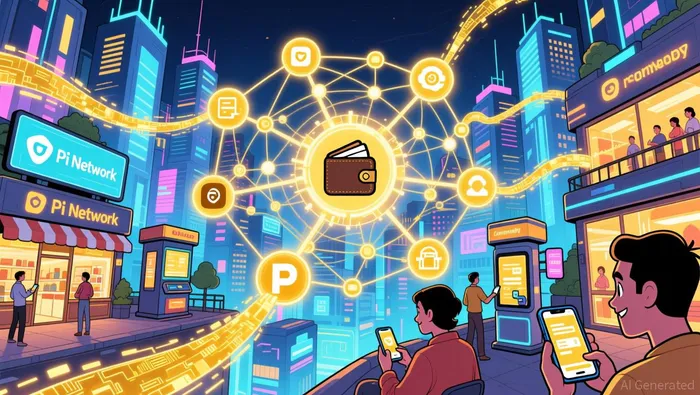
HOW IS PI NETWORK BUILDING A FUNCTIONAL DIGITAL ECONOMY?
Pi Network's strategy includes developing a robust infrastructure through nodes and decentralized exchanges while expanding into real-world commerce with merchant adoption according to projections. Security and trust are emphasized through identity verification and an official wallet, enhancing confidence in the network as explained.
Staking and liquidity mechanisms allow users to support the network's DeFi layer by contributing to liquidity pools and earning rewards, reinforcing PiCoin's utility and infrastructure according to technical documentation. This approach fosters a sustainable economic model that aligns with web3 principles as discussed.
WHAT ROLE DOES COMMUNITY PLAY IN PI NETWORK'S GOVERNANCE?
Community engagement is central to Pi Network's transparent governance model. Decisions are shaped through open debates and consensus rather than top-down control, fostering trust and accountability according to internal documentation.
Pioneers actively contribute to governance by participating in structured discussions that influence token deployment, KYC standards, and ecosystem development as reported. This model prioritizes correctness and debate over rapid decisions, ensuring long-term sustainability according to analysis.
WHAT ARE THE KEY CHALLENGES FOR PI NETWORK IN 2026?
Maintaining a balance between user growth, technical stability, and regulatory alignment remains a key challenge for Pi Network as it transitions into a fully operational digital economy according to market analysis. The network's success will depend on its ability to scale sustainably while maintaining trust and engagement as outlined.
The Step 2 Mainnet upgrade is critical for enhancing network compatibility, security, and performance. Node operators must complete this upgrade to remain active in the decentralized network and participate in staking and DApp operations according to technical guidance.

Blending traditional trading wisdom with cutting-edge cryptocurrency insights.
Latest Articles
Stay ahead of the market.
Get curated U.S. market news, insights and key dates delivered to your inbox.


AInvest
PRO
AInvest
PRO



Comments
No comments yet